
Architecture and Model Design: Mistakes You Should NEVER Make

Francisco Piqueras
Commissioning a model is a crucial step in visualizing and communicating ideas in an architecture and design project. These representations not only serve as a presentation tool, but also They help identify potential problems before construction.
The accuracy and quality of a model can make the difference between a successful project and one that faces unforeseen problems. However, It's common to make mistakes during the ordering process that may affect the final result.
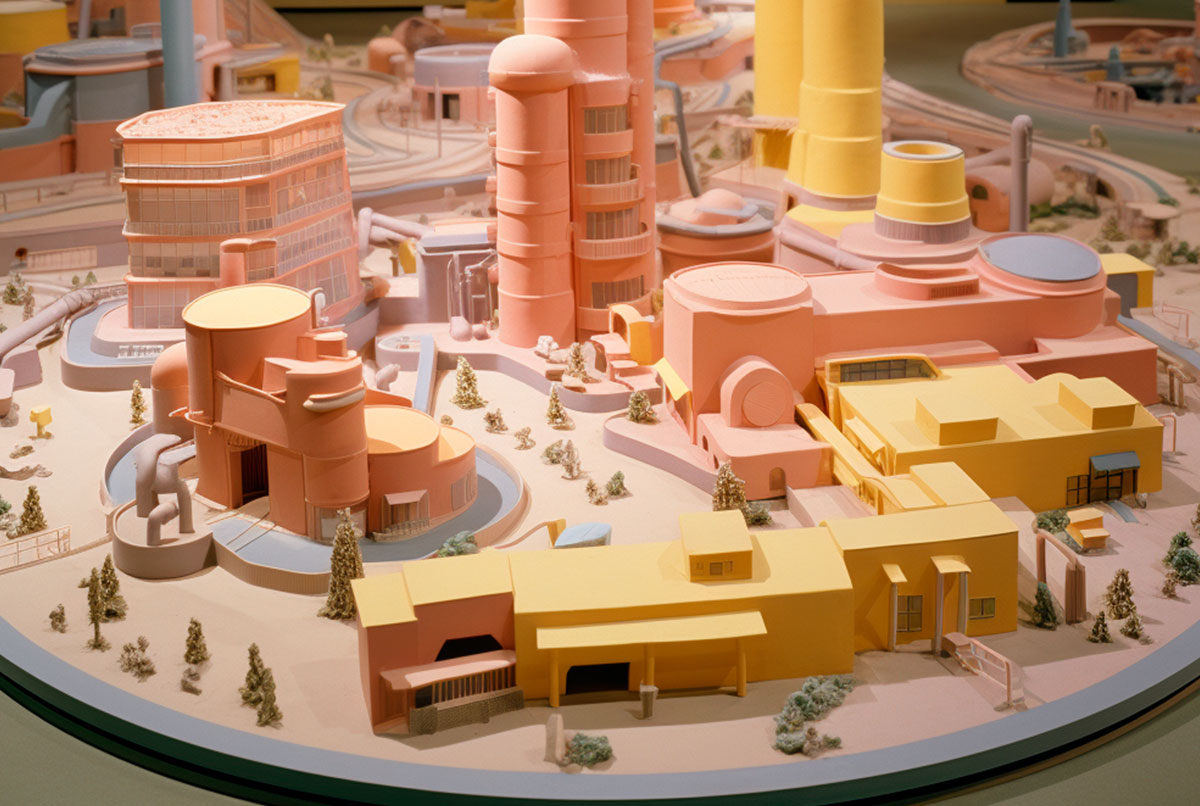
Error 1: Not clearly defining the project objectives
One of the most frequent mistakes when ordering a architectural model And design is not having clear project objectives. It is essential that both the customer and the manufacturer fully understand what is expected to be achieved.. Without a clear definition, misunderstandings can easily arise, which can lead to unsatisfactory results.
For example, a model intended to demonstrate the overall aesthetics of a building may require a different level of detail than one used to evaluate specific technical aspects. Clearly define whether the model will be used to present to investors, for an architectural competition, or as an internal planning tool., will determine the characteristics and level of detail required.
Tips to avoid this mistake:
- Prepare a detailed summary of the project and share it with all parties involved.
- Establish specific objectives that the model must meet, such as highlighting certain architectural features or allowing the visualization of the interaction with the environment.
- Review and adjust the objectives as the project progresses and new needs emerge.

Error 2: Lack of communication and incomplete technical details
Another common mistake when commissioning an architectural or design model is the lack of effective communication between the client and the manufacturer, as well as the provision of incomplete technical details. Poor communication can lead to misunderstandings that affect the quality and accuracy of the final result. Furthermore, without complete technical information, the manufacturer will not be able to accurately replicate the project specifications.
For example, failing to provide detailed plans, material specifications, or information about the project context can result in a model that does not accurately reflect the original design. It is essential to maintain a constant and detailed communication flow throughout the entire process.
Tips to avoid this mistake:
- Establish a clear and regular communication channel between the client and the manufacturer, using tools such as regular meetings, detailed emails, and project management platforms.
- Provide all necessary technical documentation, including plans, elevations, material specifications and any other relevant details.
- Request and review preliminary mock-ups or prototypes to ensure the project is progressing in the right direction and make adjustments if necessary.

Error 3: Not considering the appropriate materials and scale
Incorrect material selection and inappropriate scale are errors that can compromise the effectiveness of architectural and model-making projects. The materials used They must faithfully reflect the textures, colors, and sensations of the actual project.. Similarly, the chosen scale must allow for an accurate and detailed representation of the design.
Choosing low-quality materials or materials that don't match those specified in the original design can give the wrong impression of the project. Likewise, a inadequate scale It can make it difficult to appreciate important details or, on the contrary, exaggerate them.
Tips to avoid this mistake:
- Carefully evaluate the project specifications to select materials that are as similar as possible to those that will be used in the actual construction.
- Define the most appropriate scale based on the purpose of the model, whether it is to present a general concept or to show specific technical details.
- Consult with the manufacturer about the available material options and their properties to ensure that the most suitable ones are chosen.
- Review previous examples of models to get a visual reference of how materials and scale affect the final result.
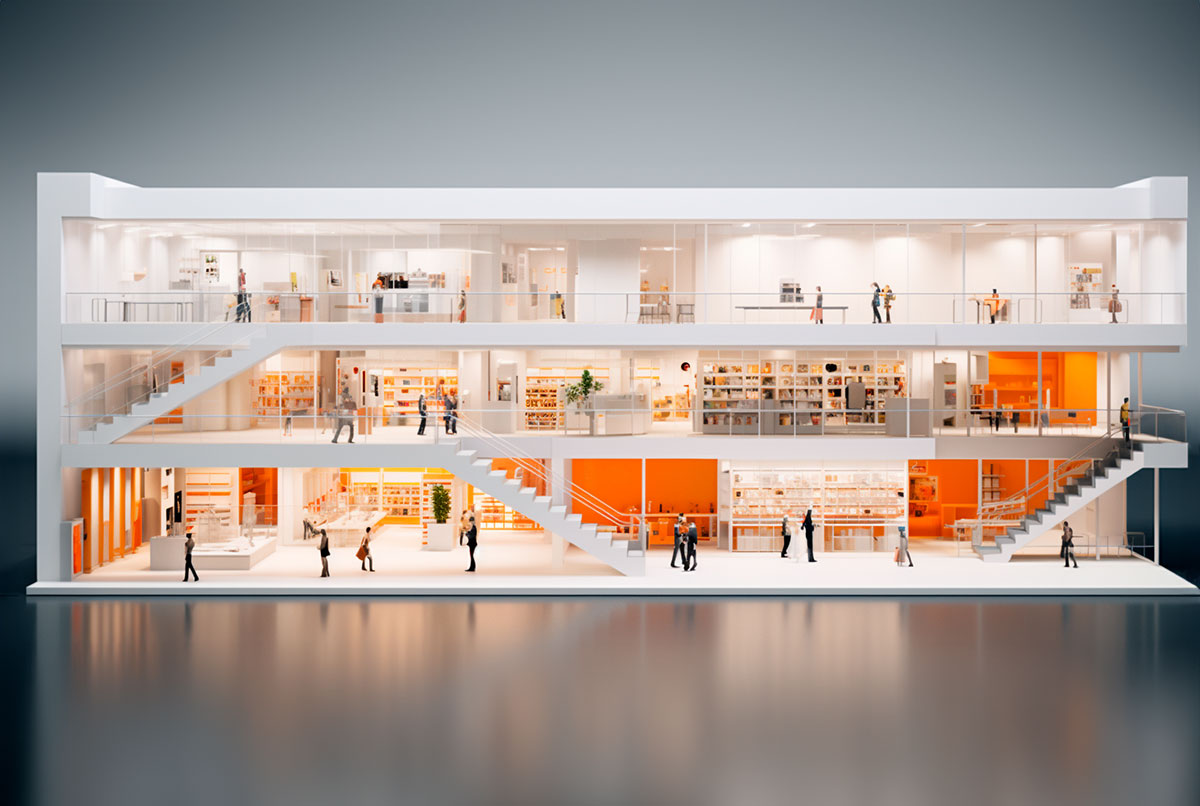
Error 4: Not planning the Time and Budget sufficiently
A lack of planning in terms of time and budget is another common mistake in architectural and model-making projects. Failing to consider these aspects is a major drawback. This can lead to delays and increased costs. and, ultimately, a final product that does not meet expectations.
For example, underestimating the time required to create a detailed model This can result in rushed work, compromising quality. Similarly, failing to allocate an adequate budget can limit material and detail options, negatively impacting the project's presentation.
Tips to avoid this mistake:
- Establish a detailed timeline that includes all stages of the model making process, from conceptualization to final delivery.
- Allocate a realistic budget that takes into account all possible costs, including quality materials, skilled labor, and potential revisions or adjustments.
- Maintain open communication with the manufacturer to adjust the schedule and budget as needed, ensuring both sides have clear and achievable expectations.
- Consider the possibility of contingencies in both time and budget, to handle unforeseen events without significantly affecting the final result.
- We must respect the deadlines set by the model maker, providing the information and details they need as soon as possible, because otherwise we could cause problems. irreversible delays.
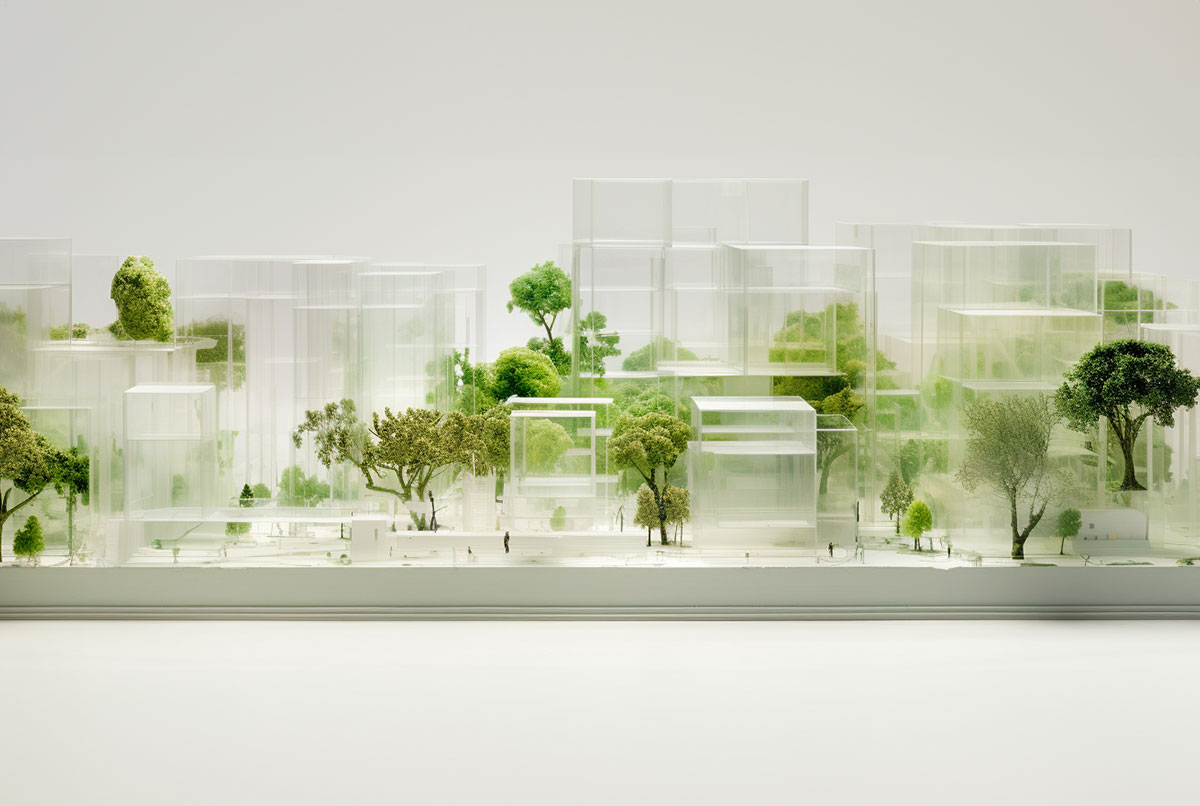
Conclusion: Ensuring quality in your architecture and model design projects
Avoid common mistakes when commissioning an architectural and design model It is essential to guarantee the quality and accuracy of the final result.. Clearly defining project objectives, maintaining effective communication, appropriately selecting materials and scale, and properly planning time and budget are fundamental steps for success.
A well-executed model not only serves as a powerful visual tool, but also facilitates decision-making and the identification of potential problems before the construction phase. By following these tips, you can ensure that your architectural and model design project... accurately reflect your ideas and meet the expectations of all parties involved.
Remember that close collaboration with the model maker and attention to detail at every stage of the process are key to achieving optimal results. This way, you can present your projects with confidence, knowing that every aspect has been carefully considered and executed.

Did you enjoy this article?
Want to see other similar posts?

