
Before making a model, there is a key question: Who is going to see it?

The model must be defined before entering the workshop
Before building a model, it's common to first think about the scale, materials, or level of detail. However, there's a preliminary decision that can influence all the others: knowing who will be seeing it. A model works best when it is designed for the people who need to understand it.
You don't need to communicate the same thing to an investor, an end customer, a technician, or a visitor without specialized knowledge, because each one approaches the project with different questions and expectations.
Not all audiences need to see the same thing
Defining your target audience isn't about creating a marketing profile full of data that contributes little to the project. The important thing is to understand what the recipient already knows, what they need to understand, and which aspects of the proposal are relevant to them.
This information helps to determine what should be highlighted in the model and what can remain in the background. Thinking about it from the beginning allows for better guidance of subsequent decisions regarding representation, detail, finishes, or interactive resources, avoiding the incorporation of elements that hinder the reading of the project.

Questions you should answer before building a model
Who is going to see it and how much do they already know about the project?
The first step is to identify who will be viewing the model and what their knowledge is of what it represents. An architect, a technical manager, or an investor will interpret certain elements more easily than someone outside the industry. Knowing that starting point allows us to adjust the amount and type of information we display.
It is also important to distinguish whether there is a primary audience and other secondary audiences, especially when the model will be present in exhibitions, commercial presentations or spaces open to very different profiles.
What does he/she need to understand, and what do we expect him/her to do next?
We must also ask ourselves what idea we want the public to retain after viewing the model. This might involve understanding the layout of a space, visualizing a proposal that hasn't yet been built, identifying an industrial process, or assessing how a project integrates into its surroundings.
The communication objective helps to decide which elements should take center stage. In addition, it is important to know the context: how long you will be able to observe it, whether someone will explain the project, or whether the model will have to convey the information on its own.

How a model changes depending on the audience that will see it
An investor, a technician, and a client are not looking for the same information.
Each profile approaches a model with different needs. An investor might want to quickly grasp the scope and potential of the project, while a technician will pay more attention to spatial relationships, functionality, or construction solutions. An end client, on the other hand, typically requires a more intuitive and visual understanding.
Adapting the model to the recipient allows prioritizing the information that really helps them interpret the project. It's not about adding more elements, but about choosing which ones add value in each case.
The public also determines how the project should be explained
When the model is intended for people without technical knowledge, clarity is usually more important than a representation laden with specialized information. In other contexts, certain details may be essential for a proper evaluation of the proposal.
The same model may be clear to a professional and confusing to a general visitor.
Therefore, it is advisable to consider the following factors:
- Visual language
- Hierarchy of elements
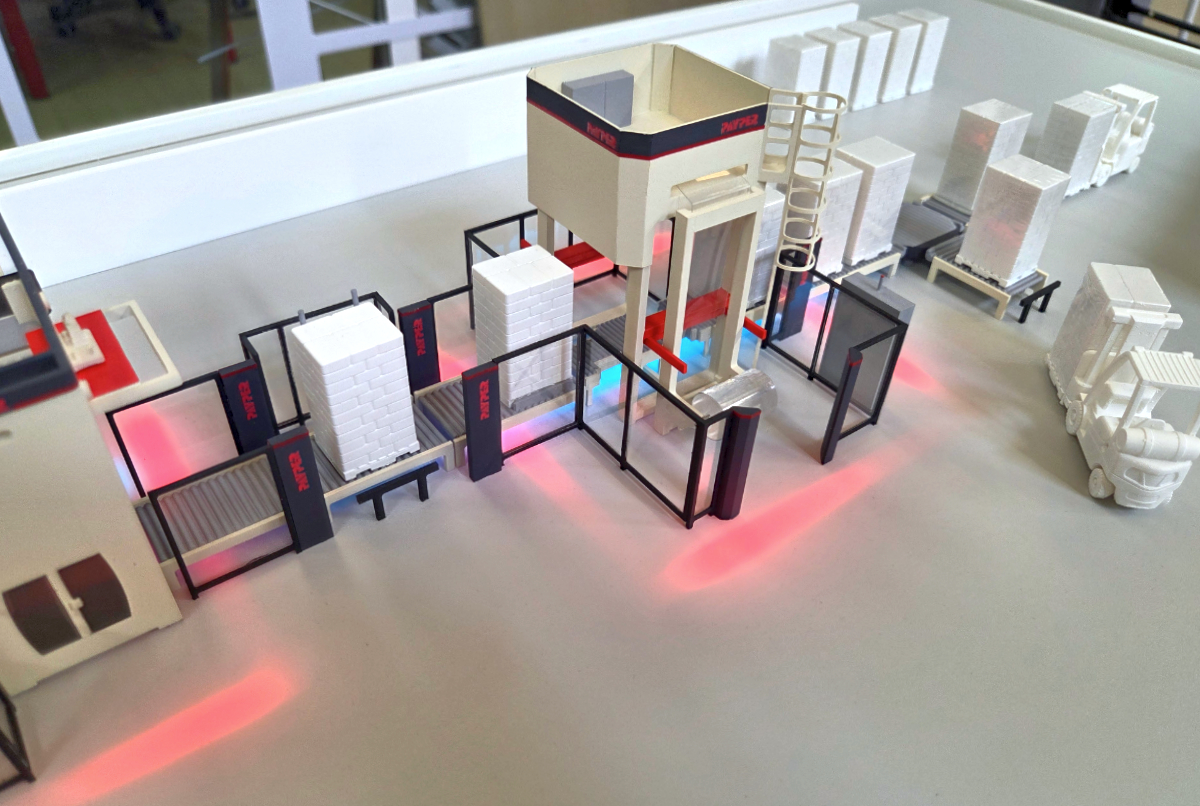
- Need to incorporate support such as lightning to attract their attention
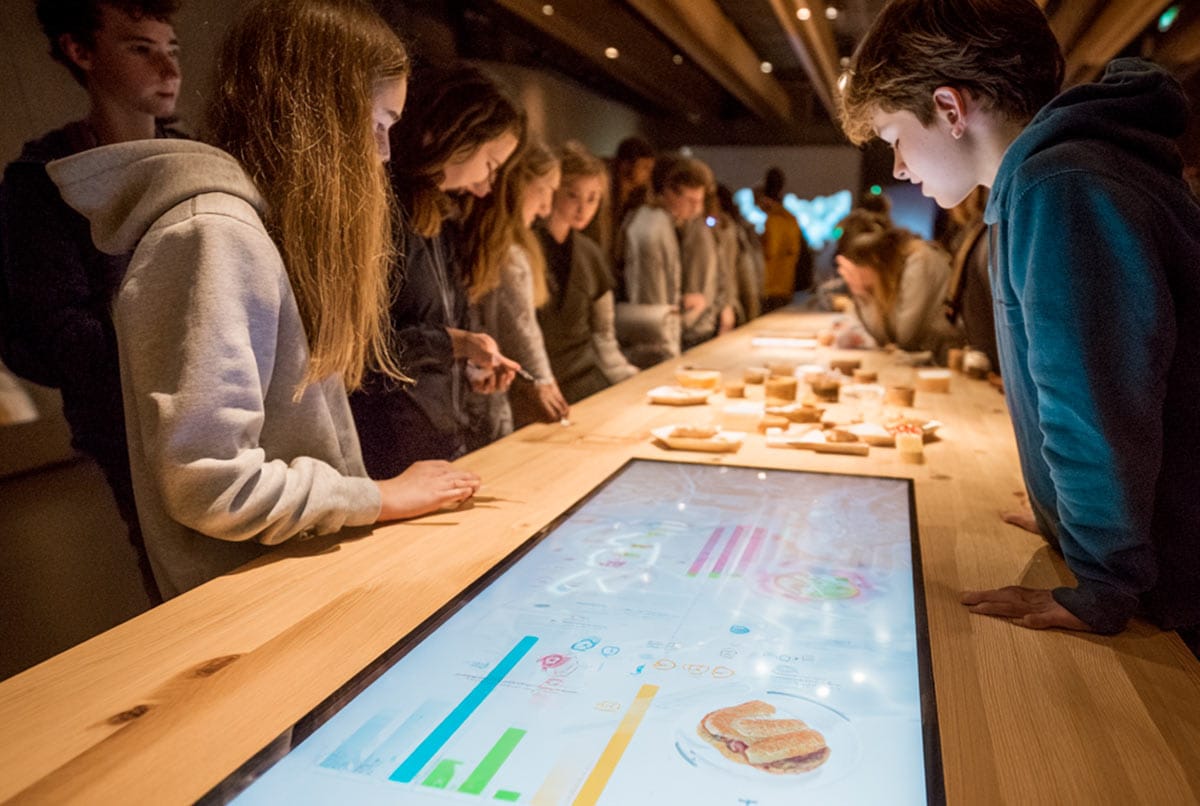
- Signage or interactive resources that facilitate understanding

From the public to the design decisions of the model
The level of detail should correspond to what the audience needs to understand.
Once the target audience is defined, it's easier to decide which information deserves emphasis and how precise the representation needs to be. Before building a model, it's advisable to consider whether the audience needs to understand the whole picture, focus on specific elements, or recognize particular finishes and features.
More detail does not necessarily mean more effective communication. In certain projects, simplifying some parts and highlighting others can make reading much easier than reproducing all elements with the same level of importance.
Scale, finishes, and interactivity also depend on the recipient
The public can also influence decisions such as scale, finishes, lighting, or the inclusion of interactive elements. A model intended to explain a process may require very different resources than one designed to present a real estate development or showcase a project at an exhibition.
Each resource should have a clear function within the communication. Defining beforehand who will observe the model allows us to assess which solutions truly help in understanding it and which might be unnecessary for that context.
What you should be clear about before ordering the manufacturing
Summarize who will see the model and what they should understand
Before requesting a quote, it's advisable to prepare a simple description of the target audience for the model. There's no need to create a complex profile: simply indicate who will see it, their level of knowledge, what aspects they need to understand, and the context in which it will be displayed.
The clearer the communication objective, the easier it will be to define a suitable proposal. This information allows the manufacturer to assess from the outset which elements should be highlighted and which solutions may be unnecessary.
Turn that information into a useful briefing for the manufacturer
It's also advisable to explain where the model will be installed, whether someone will be presenting it, how much space will be available, and whether it needs to operate autonomously. Specific requirements regarding transport, lighting, interaction, or maintenance can also be included.
A good briefing doesn't start by talking about materials, but about what the model should achieve. Sharing these conditions from the beginning helps to make consistent decisions and reduces subsequent changes that could have been foreseen during the initial phase of the project.
Short questionnaire: define the audience for your demo
Before building a model, answer these questions. You don't need to prepare a complex study: clear answers will be enough to better guide the project.
- Who will primarily see the model?
- Will there be other audiences besides the main one? Which ones?
- What knowledge does that audience have about the project or the sector?
- What is the most important thing to understand when looking at the model?
- What elements of the project should particularly catch your attention?
- What do you want me to think, value, or understand after watching it?
- Where will the model be displayed: a presentation, trade show, museum, showroom, office, or other space?
- Will someone be explaining the model, or will it have to be understood on its own?
- Does the public need to understand the project as a whole or specific details?
- Is there any information that might be too technical, secondary, or unnecessary for that audience?
With these answers you'll have a much clearer idea of who are you making the model for and what should that person achieve when they have it in front of them?. From there, it will be easier to make decisions about scale, level of detail, finishes, lighting, or interactivity together with the manufacturer.

Did you enjoy this article?
Want to see other similar posts?

