
Business Model: Strategies, Techniques and Tips for an Effective Representation

Francisco Piqueras
In today's business world, Contrary to what one might think given the great diversity of digital media Models that exist today have acquired a fundamental role not only as scale representations, but as strategic instruments of communication and planning.
Commissioning a company model is a process that combines art, engineering, and marketing, so It is not a task to be taken lightly., as it will be something that represents our company for a long time.
In this guide, we'll take you through the critical steps for commissioning a company model, From initial conception to final delivery, we will cover how to define objectives, select materials and styles, choose a professional model maker, and manage the design and manufacturing process. Furthermore, we will explore the latest trends and technologies in model design that are transforming the way companies present and promote their projects.

1. Define objectives and requirements for the company model
When commissioning a business model, the first and most crucial step is clearly defining your objectives and requirements. This initial phase isn't just about technical specifications; it's an exercise in vision and strategy. The objectives The guidelines you establish here will serve as the backbone of the project and will guide all future decisions, From design to material selection. Delving deeper into the key aspects to consider:
1.1 Identify the Purpose:
The functionality of the company model is the fundamental pillar. It can range from being a detailed model for investors and clients, to a marketing tool, or a schematic representation for internal use. Each of these purposes entails different levels of detail, interactivity, and design approaches.
1.2 Scale and Size:
Choosing the scale is a strategic decision. A large-scale model can be impressive, but it requires more space and budget, while a smaller model can be more manageable and cost-effective. The scale must also be consistent with the desired level of detail and the purpose of the model.
1.3 Level of Detail:
The level of detail in a company model reflects its purpose. For investor presentations, a high degree of accuracy and realism is required. However, for exhibitions or as a marketing tool, More stylized and creative aspects can be emphasized.
1.4 Interactivity and Technology:
The incorporation of interactive elements, Features such as lighting, moving parts, or integration with digital technologies can significantly enrich the model. These aspects should align with the model's objectives and target audience.
1.5 Budget and Timelines:
A vital aspect is the clear definition of budget and delivery times. This ensures that expectations are realistic and that the project develops within the established parameters.
1.6 Sustainability:
In an environment that is increasingly aware of environmental impact, it is advisable to consider sustainable materials and environmentally friendly manufacturing processes for the company model.

2. Choosing materials and styles for the company model
After establishing the objectives and requirements, the next step in the process of commissioning a company model is the selection of materials and styles. This selection It not only affects the final appearance of the model, but also its functionality and durability. Choosing the right materials and styles is essential to ensure that the model fulfills its purpose and faithfully represents the company's vision.
2.1 Selection of materials:
Balance Between Durability and Aesthetics: Materials such as plastics, resins, wood, and metals offer varying levels of durability and aesthetic finishes. The choice should be consistent with the intended use and location of the model.
Weight and Portability: If the model is going to be transported regularly, it is preferable to choose lightweight and resistant materials.
Integration with Technologies: For models that incorporate electronic or interactive elements, It is crucial to select materials that integrate well with these technologies.
2.2 Design Styles:
Realism versus Stylization: The style can range from realistic representations, showing every detail, to more stylized or abstract designs, capturing the essence of the project.
Consistency with Brand Identity: The style of the mockup should align with the company's identity and values, using colors, textures, and shapes that reflect the brand.

3. How to find and select a professional model maker
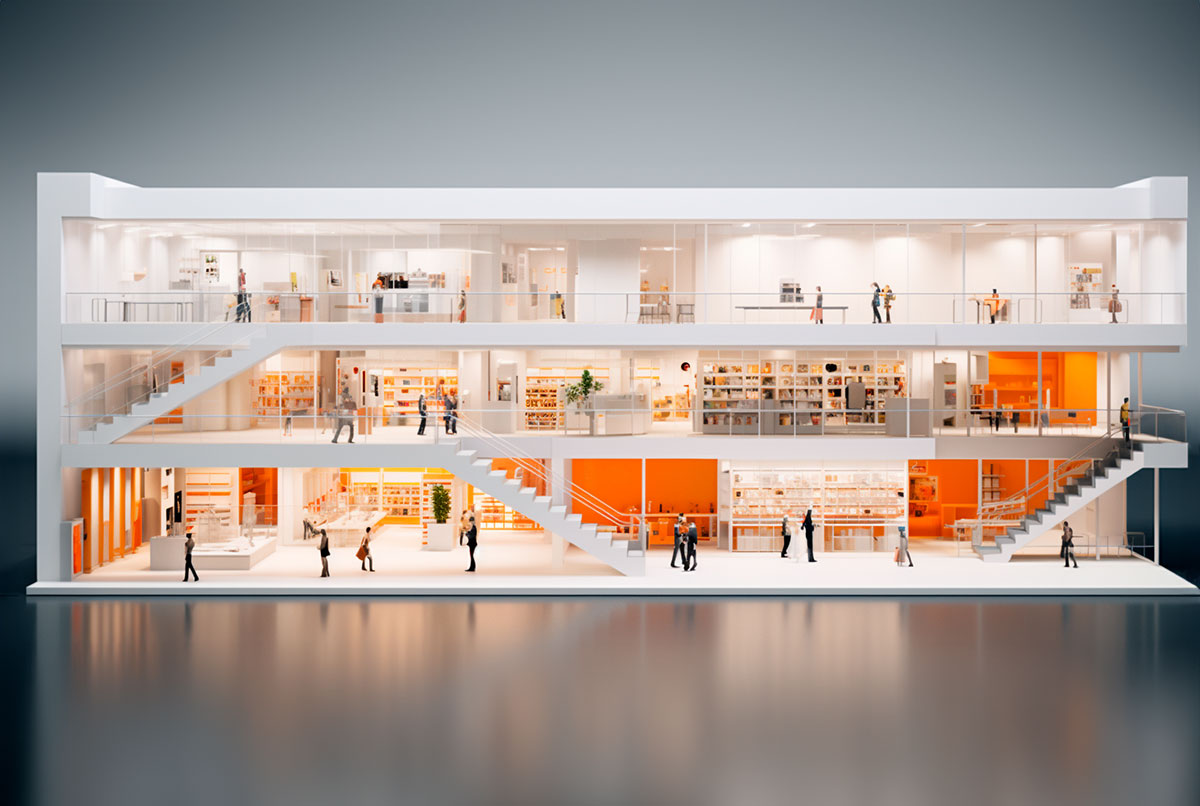
The choice of a professional model maker It's a fundamental aspect of the process of creating a company model. A good model maker not only has technical skills but also understands the client's vision and objectives. Here are the key steps to finding and selecting the right model maker for your project:
3.1 Background investigation:
Portfolio review: Examine the model maker's previous work to assess their quality and style. A diverse, high-quality portfolio is a good sign.
References and recommendations: Check reviews and references from other customers to get an idea of the model maker's level of satisfaction and professionalism.
3.2 Experience and specialization:
Industry Knowledge: An experienced model maker in your industry will have a better understanding of the specific needs of your project; not all model makers know how to make any type of model, they are usually specialized.
Specialization in Styles or Materials: If your company model requires special techniques or materials, look for a professional who has experience in those areas.
3.3 Communication and understanding of the project:
Understanding the vision: It's crucial that the layout artist understands your vision and objectives. Good communication from the beginning is essential.
Communication skillsChoose a layout artist who offers clear and consistent communication, which is vital to the success of the project.
3.4 Budget and delivery times:
Alignment with your Budget: Make sure the model maker can work within your budget without compromising quality.
Meeting Deadlines: Confirm that the model maker has a track record of meeting agreed delivery deadlines.
4. The Design and Approval Process
Once you've selected a professional layout designer for your company layout, the next step is to navigate the design process and approvals. This step is crucial to ensure a successful outcome. that the final model faithfully reflects your vision and meet all the established requirements. Here we guide you through the key steps:
4.1 Development of the initial concept:
Discussion and Brainstorming: It begins with a brainstorming session with the model maker to discuss ideas, visions, and possibilities.
Initial Sketches: The model maker should provide initial sketches or renderings to visualize the idea.
4.2 Iteration and modifications:
Continuous feedback: Provides regular and constructive feedback on initial designs and subsequent revisions.
Modifications until satisfaction: The design process should allow for adjustments and modifications until your expectations are met, although you should bear in mind that this may delay the delivery of your model; try to make all modifications at once.
4.3 Design Approvals:
Detailed review: Carefully examine every aspect of the design before giving your final approval. This includes verifying scales, colors, materials, and details.
Formal approval: Once you are satisfied with the design, provide formal approval to proceed with manufacturing.
4.4 Documentation and agreements:
Design contract: Make sure all details, including changes, budget, and deadlines, are documented in a contract or agreement.
Clarity of expectations: Maintain clear and documented communication to avoid misunderstandings.
5. Manufacturing and delivery times
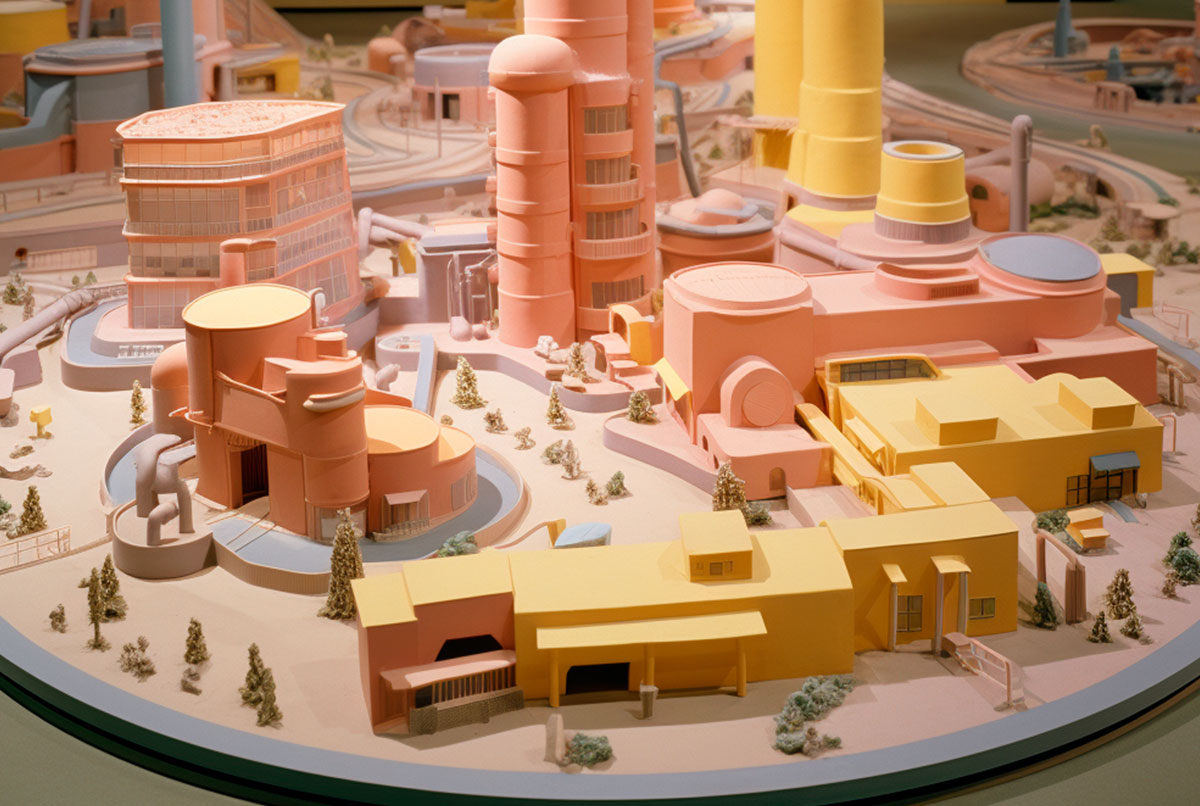
After finalizing the design and obtaining the necessary approvals, the next step in creating a company mockup is manufacturing and managing delivery times. This is a crucial moment where conceptual design becomes a physical structure, and it is important handle it with precision and attention to detail.
5.1 Model making process:
Supervision and Quality: Maintain regular communication with the layout artist to monitor progress and ensure that the quality of the work meets the agreed standards.
Milestone Review: Establish review milestones during the manufacturing process to ensure the project is progressing as planned and to make adjustments if necessary.
5.2 Model manufacturing time:
Realistic Timeline: Make sure the model maker provides a realistic and feasible timeline for the manufacture and delivery of the model.
Monitoring of Deadlines: It constantly monitors progress to ensure that agreed deadlines are met.
5.3 Problem Solving:
Anticipating Challenges: Be prepared for potential challenges or delays. Manufacturing can involve unforeseen events, so it's important to have a contingency plan.
Effective Communication: Maintain effective and open communication with the layout artist to quickly resolve any problems that arise.
5.4 Delivery and Assembly:
Delivery Coordination: Coordinate with the model maker the delivery details, including packaging, transport and assembly, if necessary.
Receiving Inspection: Perform a detailed inspection of the model once it has been delivered to ensure that it is in perfect condition and meets all specifications.
6. Reception and evaluation of the completed model
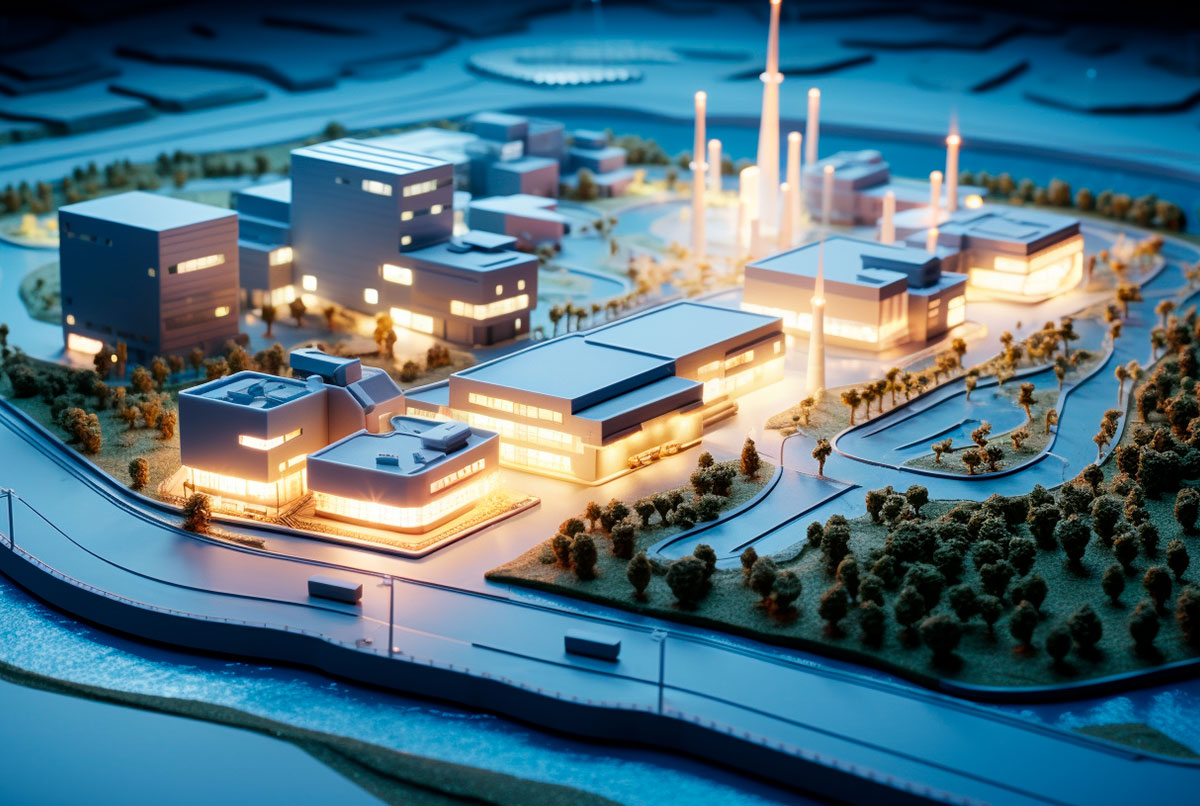
The final step in the process of commissioning a company model is the receipt and evaluation of the completed model. This is the moment to see all the effort and planning materialize, and it is crucial for to ensure that the model meets all your expectations and needs.
6.1 Detailed inspection:
Review Quality and Details: Upon receiving the model, perform a thorough inspection to verify that all the details, colors, materials and scales match what was agreed.
Functionality and Durability: Test the functionality of any interactive or mobile element and evaluate the overall durability of the mockup.
6.2 Evaluation of compliance with objectives:
Compare with Initial Objectives: Compare the finished model with the objectives and requirements defined in the first step to ensure that all expectations have been met.
Verify Alignment with the Brand: Make sure the mockup accurately reflects your company's identity and values.
6.3 Installation and use of the model:
Location and Display: Decide on the final location of the model and how it will be displayed, taking into account visibility and impact.
Use as a Communication Tool: Consider how the company model will be used as a communication or marketing tool and plan its use in different contexts.

Current Innovations and Trends in Company Model Design
The field of corporate model design is constantly evolving, with technological innovations and emerging trends that are transforming the way these representations are conceptualized and produced. Below, we highlight some of the most relevant innovations and trends today:
3D printing technology:
Advanced Manufacturing: 3D printing has revolutionized model making, allowing for the efficient and precise creation of more complex and detailed designs.
Large-Scale CustomizationThis technology facilitates mass customization, making it possible to produce unique models at a relatively low cost.
Augmented and virtual reality:
Enhanced InteractivityThe integration of augmented and virtual reality into company models allows users to interact with the model in a more dynamic and enriching way.
Immersive VisualizationThese technologies offer a way to visualize future projects in a more complete and immersive way, improving understanding and engagement.
Integration with data and information:
Models as Analysis Tools: Modern scale models often integrate relevant data and information, making them analytical tools in addition to being physical models.
Data Visualization: This includes everything from integrating screens and digital elements to using QR codes to provide additional information.
Conclusion
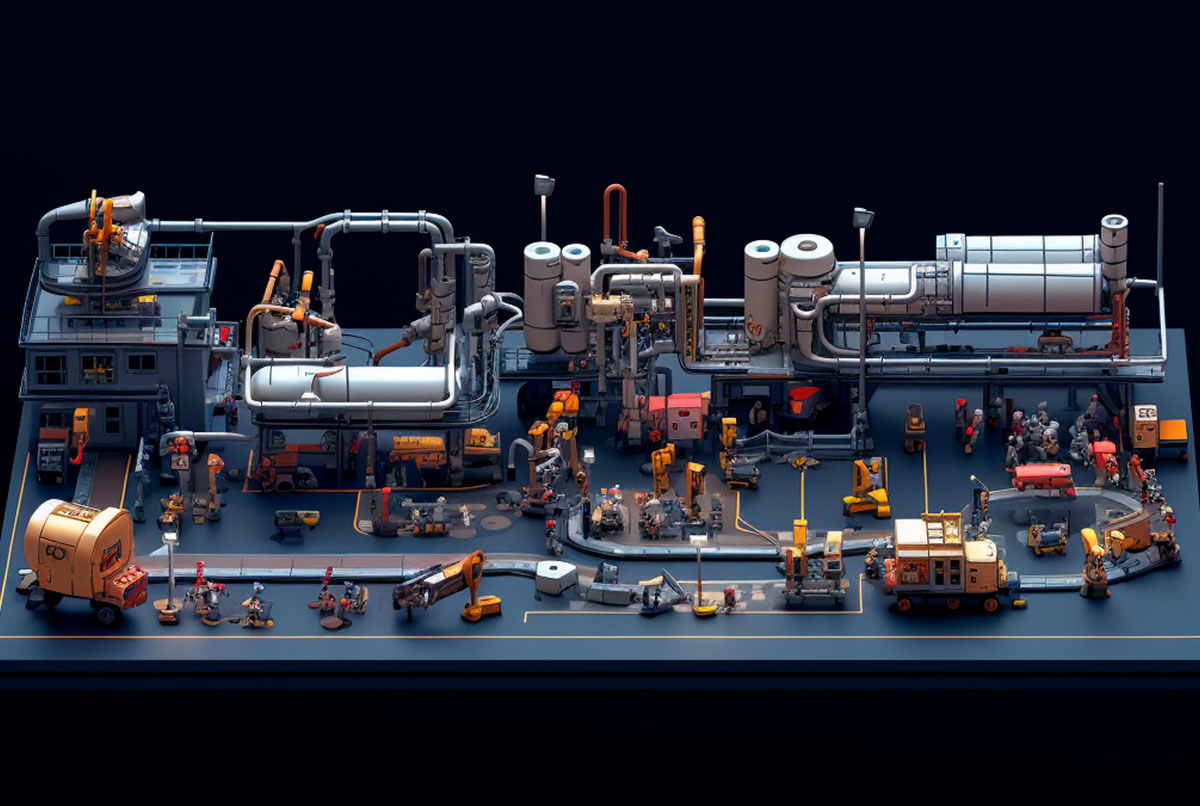
Creating a company model is more than just a project; it's an investment in the visibility and understanding of your initiative or business. This guide provides a detailed path from conceptualization to the finalization of a model., highlighting the importance of each step in the process. We have seen how technology and innovation are transforming models into dynamic and multifaceted tools that go beyond simple physical representation.
We encourage you to take the next step: consider how A company model could enrich your next project or presentation. Find a professional model maker who understands your needs and can translate your vision into an accurate and captivating representation. Don't underestimate the power of a quality model to transform how others see and understand your project.
Are you ready to take your business presentation to the next level?

Did you enjoy this article?
Want to see other similar projects?

