
Model Workshop: This is how a professional team works

Francisco Piqueras

The model-making workshop is a space dedicated to the creation, design, and production of scale models of buildings, landscapes, vehicles, and other objects. Next, we will explore the different departments that make up our workshop, their importance, purpose, and the essential machinery used in each of them.

1. Design and Planning Department
The design and planning department is fundamental in a professional workshop because it establishes the foundation of the entire project. Here, crucial decisions are made that will affect the final outcome.
The correct interpretation of the plans and sketches ensures that the model faithfully reflects the original concept. Furthermore, the choice of materials and the determination of the scale are essential to guarantee the accuracy and feasibility of the project.
Tools Used:
- Design Table: Large surface where the plans are laid out and the first sketches are made.
- Design SoftwareDigital tools such as AutoCAD or SketchUp.
- High Resolution Printers: To print detailed plans.
- Graphics Tablets: For drawing and making digital adjustments.
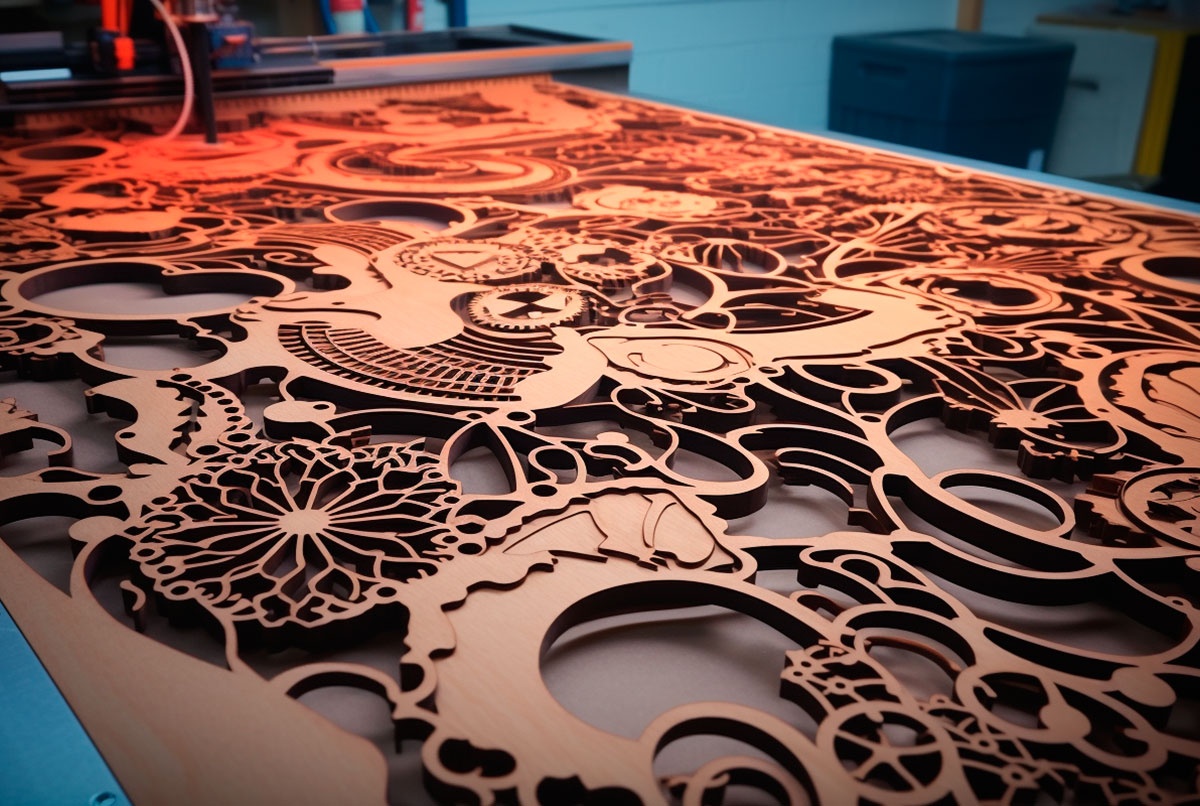
2. Cutting and Assembly Department
This department is responsible for bringing ideas to life. Precision in cutting and assembly is vital for the pieces to fit together perfectly and model have a solid structure.
An error at this stage can compromise the integrity and aesthetics of the entire model. Furthermore, proper assembly ensures that the model is durable and resistant, allowing for handling and transport without risk of damage.
Machinery Used:
- Laser cutting and engravingFor precise cuts in wood, acrylic and cardboard.
- CNC cutting: For cutting large pieces or pieces of resistant materials.
- 3D printing: To create three-dimensional pieces.
- Lathes and Milling Machines: For modeling and shaping materials.
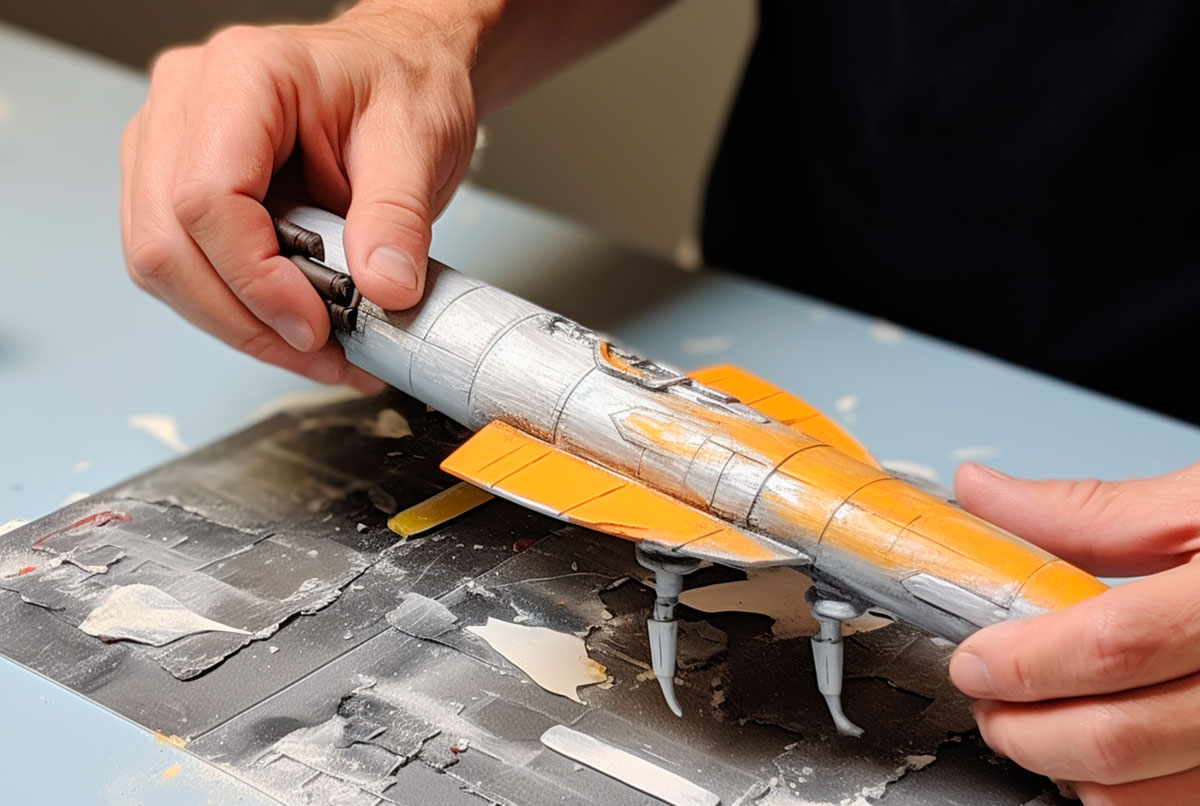
3. Painting and Detailing Department
Color and detail are what truly bring a model to life. A well-painted and detailed model can capture the essence of the original design, conveying emotions and allowing for a better visual understanding.
This department is not only responsible for applying color, but also for adding textures, shading, and other details that enrich the representation. A model without adequate detailing can look flat or unrealistic., Therefore, this process is essential to achieving an impactful result.
Tools Used:
- Paint Booth: Ventilated space for applying paints.
- Airbrush: To apply paint evenly.
- Paintbrushes of Different Sizes: For minute details.
- Drying Oven: Accelerates the paint drying process.

4. Quality Control Department
Excellence is key in the world of model making. The quality control department ensures that every model that leaves the workshop meets the highest standards of accuracy and realism.
Every detail, no matter how small, is inspected to ensure that the model is a faithful representation of the original design. This process looks not only for aesthetic errors, but also structural ones., ensuring that the model is both beautiful and functional.
Tools Used:
- Magnifying Glass: To inspect minute details.
- Measuring Tools: Such as rulers, calipers, and micrometers.
- Strength Testing Machine: Evaluate the durability of the model.
- High Resolution Cameras: For detailed inspections.

5. Interactive Department
The department of interactive models It is the most carefully considered in the entire company, as it represents the difference between IA Manufacturing and our competitors. While traditional models offer a static representation, interactive models incorporate dynamic and technological elements that allow the observer to interact with the model.
This can include everything from lights and movements to software integrations that They provide additional information when you touch certain parts of the model.. Its purpose is to offer a more immersive and educational experience, allowing for a deeper understanding of the project represented.
Elements used:
- Electronic Modules: Small devices that can be integrated into the model to provide lighting, movement, or tactile interactivity.
- Programming Software: Tools like Arduino or Raspberry Pi that allow you to program and control the interactive elements of the model.
- Integrated Screens: Small screens that can display information or images related to specific parts of the model when activated.
- Motion and Touch Sensors: They detect the presence or touch of the observer and activate certain functions of the model.
- Audio Systems: They incorporate sounds or narratives that are activated in certain areas of the model to enrich the experience.

Conclusion:
In the vast world of design and representation, the model-making workshop stands as a fundamental pillar., being the link between the conceptual idea and its tangible materialization. These spaces, more than just workplaces, are true sanctuaries where creativity, technique, and precision converge to bring to life miniature projects that often reflect dreams and visions of great magnitude.
But beyond the technique and the machinery, what truly defines a professional workshop is the spirit of those who inhabit it. It is these artisans, these masters of detail, who breathe life into each piece, transforming simple materials into representations that capture the essence of buildings, landscapes, and other objects.
Frequently asked questions about our model-making workshop
1. What materials are used to make a model?
To make a model, you can use any type of material such as cardboard, wood, plastic, metal, etc. This will depend on the type of model you want to make and the resources available.
2. Where can I get the materials to make a model?
The materials for making a model can be purchased at model shops or model making, craft stores or even online, through online stores or sales platforms.
3. What tools are needed to work on a model?
To work on a model, you may need various tools, such as scissors, glue, rulers, blades, brushes, paints, etc.
4. What types of models can be made?
They can be manufactured all kinds of models, From architectural models, vehicle models, city models, monument models, landscape models, etc. The limit is in the imagination and the project you want to carry out.
5. How can realistic details be included in a model?
To include realistic details in a model, different techniques can be used, such as painting, using textured materials, incorporating small decorative details, etc. It is also important to research and observe references of the object or place being represented.

Did you like this model?
Want to see other interactive projects?

