
Custom industrial models: benefits, costs and applications

Custom industrial mock-ups are physical models designed specifically for represent infrastructures, processes or systems specific to the industrial sector.
Unlike generic models, these are created according to specific technical requirements, Whether for a production plant, an assembly line, or a logistics system, its design is based on plans, renderings, or technical documentation provided by the client, guaranteeing an accurate representation of the project or installation.
A technical resource with a clear purpose
Beyond their visual value, custom industrial models serve a technical function: They allow you to validate designs, study processes, and communicate complex ideas more clearly..
They are commonly used in project planning or presentation phases where graphical interpretation is key. They become useful tools for engineers, production managers, and end clients alike.

What does an industrial model contribute to project development?
A custom-made industrial model allows to clearly understand the distribution, workflows, and functional structure of an industrial project.
It facilitates dialogue between technical departments and also improves communication with investors, clients, or institutions. By offering a tangible representation, it accelerates decision-making and reduces misunderstandings during the design or implementation phases.
Design review and adjustment tool
During the development of an industrial project, custom-made models allow for the detection of inconsistencies or the improvement of technical solutions before moving on to the construction phase.
Reviewing the physical model facilitates adjustments to routes, operational areas, or critical spaces. This early validation capability reduces risks, avoids costly errors, and provides security in planning.

How much does a custom-made industrial model cost?
The cost of an industrial model depends on multiple technical variables. Scale, level of detail, design complexity, and selected materials are determining factors.. It also depends on whether the project requires moving parts, interactive systems, or specific lighting and finishes. Each model is quoted individually, adapting to the client's needs and the required level of precision.
Estimated price ranges by model type
| Type of model | Level of detail | Regular use | Estimated price (€) |
|---|---|---|---|
| Basic conceptual (small scale) | Low | Internal study | 2,000 – 5,000 |
| Technical details with functional information | Half | Project presentations | 5,000 – 12,000 |
| Professional with finishes and moving parts | High | Fairs or strategic clients | 12,000 – 25,000+ |
Deadlines, reviews, and type of use also play a role
The time available to manufacture the model and the number of revisions planned impact the budget. If the model is going to be used in fairs or exhibitions, A higher level of finish is often required, which increases the cost.
Projects focused on technical analysis may prioritize functionality over aesthetic presentation, This can be adjusted to more modest budgets. In all cases, precisely defining the purpose and requirements of the model from the outset is key to a realistic estimate.

Real-world applications in industrial sectors
Visualization of plants and processes in production environments
Custom industrial models are used to clearly represent the operation of production lines, logistics systems, or technical structures within factories or complex facilities.
They serve as visual support in audits, internal training, or operational planning sessions., helping to improve spatial and functional understanding among work teams. They are also useful for explaining processes to non-technical profiles within the organization.
Presentations, trade fairs and business environments
Another key application is its use in external communication contexts. Scale models are used at trade fairs, showrooms, or meetings with clients to showcase industrial capabilities or proposed solutions..
Their presence adds visual value, reinforces the professionalism of the message, and allows for the presentation of facilities that have not yet been built. They are also used in educational or museum settings when the aim is to represent technology or industrial processes in a didactic way.
Interactive models: clear communication and customer attraction
The interactive versions They allow you to turn on zones, activate routes or simulate workflows using buttons, screens or sensors. This type of model becomes a powerful visual resource at trade fairs and events. Its aesthetic and functional impact helps to attract new customers and reinforce the company's image of innovation.
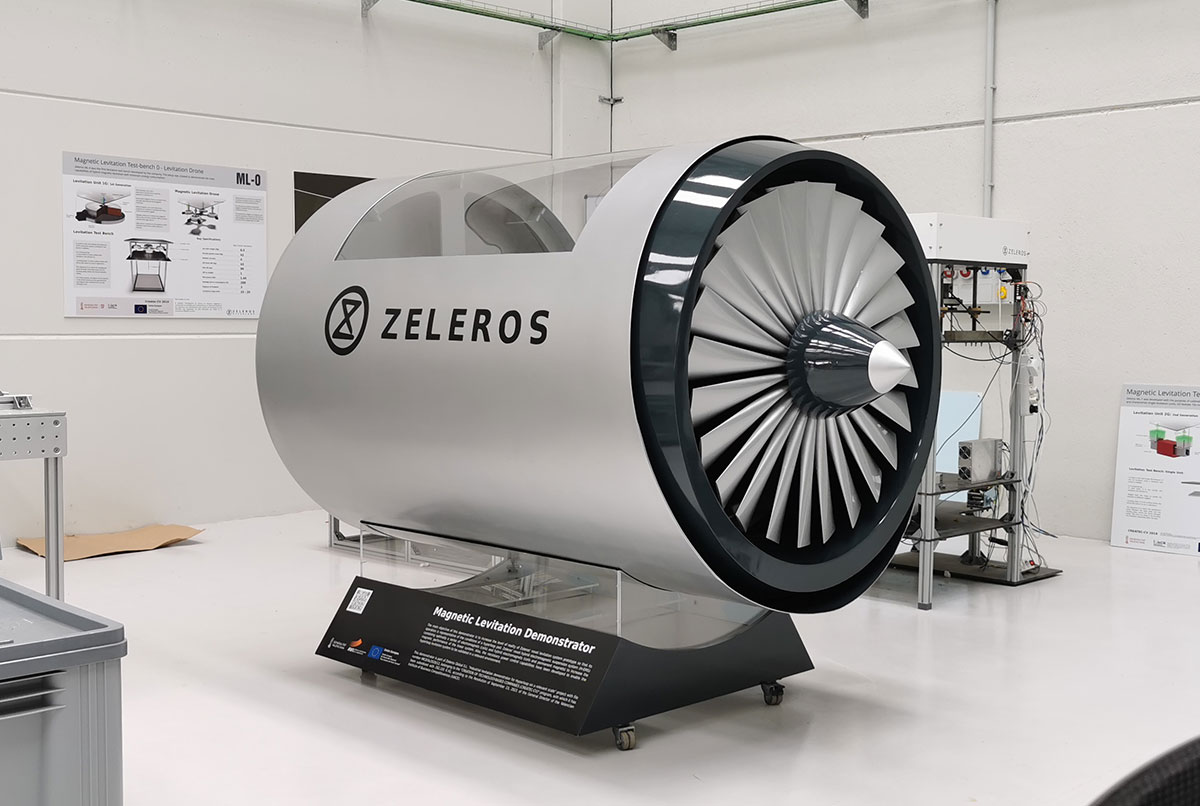
Keys to commissioning a professional industrial model
Define objectives, target audience, and level of detail
Before ordering a custom industrial model, it is essential to define your purpose. A model for internal analysis is not the same as one for an international trade fair., And that influences both the level of detail and the materials and design.
It is also important to identify who will it be aimed atTechnicians, clients, investors, or the general public. The clearer the objective, the more precise and functional the supplier's proposal will be.
Clear technical communication with the team that will develop it
The success of a professional model depends largely on the exchange of information between the client and the team that builds it. Providing updated plans, renderings, or visual references helps speed up the process and avoid errors.
It is also advisable to plan for intermediate revisions and define realistic delivery times, especially if it is a complex model or one with interactive elements.

Did you enjoy this article?
Want to see other similar posts?

