
Factory Models: Everything You Need to Know to Represent Your Industrial Project

Francisco Piqueras
Factory models are essential tools in industrial planning. These scale representations They allow you to visualize the design, optimize processes, and improve communication between technical and management teams.
Herein practical guide, We'll explore step-by-step how to create a factory model, from defining objectives to final evaluation. Whether it's to improve space layout or impress investors, understanding the process will be invaluable. This will help ensure your model is accurate and effective.

1. Define objectives and requirements for factory models
Factory models are essential tools in the planning, optimization, and presentation of industrial projects. Correctly defining the goals y technical requirements From the beginning of the project, it is key to ensure that the model meets your expectations.
This phase It allows you to avoid mistakes and adjust the design to the specific needs of the factory., whether to optimize the use of space or to present a project to investors.
Identify the purpose of the factory model
The first step in creating factory models is to identify their primary purpose. These models are used for multiple purposes: optimize space distribution, visualize the production processes o give presentations in front of clients, investors, or internal teams.
For example, a model aimed at optimizing workflow must accurately represent the layout of the machines, the circulation routes of personnel, and the safety systems.
In projects intended to business presentations, The objective could be more visual and less technical, Highlighting architectural or technological aspects that will impress investors. Clarity about the purpose from the outset ensures that the model focuses on the areas that truly matter.
Determine the critical areas to display
After defining the purpose, it is essential to identify the key areas that the model should include. In a factory model, it is important that the following are accurately shown: production areas, the warehouses and the logistics systems.
CEvery detail must be aligned with the project objectives. If the objective is to analyze the efficiency of the processes, the model should highlight the workflows, loading and unloading areas, as well as the evacuation routes.
However, if the model is for purposes exhibitions or commercials, The most representative architectural areas or technological innovations of the factory can be highlighted. This allows for a more impactful and visually appealing image for clients or investors, focusing on the aspects that generate the most interest.
Define the scale and level of detail
The next step in creating factory models is deciding the scale and the level of detail appropriate. The scale defines how large or small the model will be and should be chosen based on the actual size of the factory and the space available to display the model.
The most common scales in industrial model design range from 1/75 and 1/200 , However, in some cases a smaller or larger scale can be chosen depending on the objective.
He level of detail It will depend on the use of the model. In technical projects, Every machine, production line, and ventilation system must be accurately represented. This allows for detailed technical assessments of the space. On the other hand, in presentation models, details can be simplified to make the key areas of the factory easier to understand. Here, the important thing is convey the general concept, without overwhelming the observer with unnecessary details.

2. Choosing materials and styles for factory models
The choice of materials y style It is essential to ensure that factory models are durable, precise and visually striking. The materials and finishes should reflect both the functionality and the aesthetic appeal of the project. The most important aspects to consider in this process are detailed below.
Most suitable materials for industrial models
Model factories require materials that offer a good combination of endurance y precision. The rigid plastics They are ideal for representing machinery and structures due to their ability to capture fine details and their durability. These plastics are also lightweight, making it easier to transport and present the model.
On the other hand, for more structural elements or bases, the following are used: lightweight woods o plywood, because they offer stability without adding excessive weight. Furthermore, the transparent materials like the acrylic or the polycarbonate They are useful for representing windows, glass partitions, or areas where it is important to show internal details.
The 3D printing The use of resins has also gained popularity, as it allows for the manufacture of complex components with great precision, something essential in the design of factories with multiple systems and technological elements.
Realistic or conceptual style
The style you choose For a factory model, it depends directly on the model's purpose. business presentations or before investors, an approach realistic This is usually the most suitable method, as it allows for an accurate depiction of the layout of machinery, buildings, and workflows. This provides observers with a faithful representation of the industrial project, conveying a sense of security and sound planning.
However, if the model is intended for the optimization of internal processes, a more focused approach conceptual That might be sufficient. In this style, some technical details are simplified, focusing on the representation of key elements such as workflows, equipment layout, and logistics routes. conceptual style It helps make processes easier to understand and analyze, without overwhelming with unnecessary details.
Importance of finishes and colors
The colors y finishes They are another fundamental aspect that influences how factory models are perceived. Colors can be used to differentiate functional areas, such as production zones, storage areas, or evacuation routes. In many cases, colors based on the safety standards industrial, such as the use of red to indicate hazards or yellow for restricted access areas.
The finishes They also play an important role. In models intended for presentations, polished finishes and well-defined details are essential for achieving a professional and realistic appearance. Whereas in models for internal or technical use, the finishes can be simpler, focusing more on the functionality than in aesthetics.

3. How to find and select a professional model maker for factory models
Choosing the right model maker is essential to ensure that factory models meet the established objectives. A professional model maker must not only master the technique but also understand the specific needs of the industrial sector.
Experience in industrial projects
When it comes to factory models, experience in industrial projects It is essential. A model maker with a track record in this type of work can offer a more accurate and functional result.. This includes the ability to accurately represent production areas, workflows, and the most complex industrial systems.
Review the portfolio Reviewing the model maker's previous work is crucial. This will allow you to verify if they have worked on similar industrial models and if they have accurately represented factories or large-scale projects. It is advisable to analyze their level of skill. detail and the quality of the finishes in preliminary mock-ups, to ensure that it can meet the requirements of your project.
Technology and work tools
The use of technological tools Proper techniques are crucial for creating factory models. Model makers who employ techniques such as 3D printing, laser cutting y 3D digital modeling They typically offer a higher level of precision and speed in production. These technologies allow for easier modifications and adaptation to last-minute design changes.
Make sure the layout artist has access to these tools and can use them efficiently. Furthermore, a layout artist who is aware of the current trends in the manufacture of models, such as the incorporation of interactive elements or digitization, can add value to the project.
Communication and deadlines
Good communication is essential for the project to progress smoothly. During the initial phase, It's important that the model maker clearly understands your expectations and can offer you feedback. about what is feasible in terms of design and materials.
Additionally, make sure the layout artist is flexible and willing to make adjustments during the process if necessary (provided this does not affect the delivery date).
It is also important to discuss the delivery times, Since factory models are often complex projects that require time and precision, a good model maker... He will be realistic about the timelines and will know how to manage schedules without compromising quality.
Make sure the layout artist has access to these tools and can use them efficiently. Furthermore, a layout artist who is aware of the current trends in the manufacture of models, such as the incorporation of interactive elements or digitization, can add value to the project.

4. Model design process and approvals
The factory model design process is collaborative and requires several approval stages to ensure the final result meets the client's expectations. From the initial sketches to the final model, it's important to involve the client at every step.
Conceptual design phase
The first step is the creation of a conceptual design. This is where the model maker works with the client to define the overall approach to the model, the most important elements to include, and how to represent them clearly and effectively. This phase may involve creating preliminary drawings o digital models to help visualize the project before starting physical construction.
It is important that both parties, client and model maker, discuss the level of detail that will be necessary in the model. constant reviews at this stage They allow us to ensure that production spaces, logistics, and areas of specific interest within the factory are correctly represented.
Iterations and revisions
Once the conceptual design has been approved, the next step is to carry out iterations to refine the project details. It is common for several to be performed reviews before obtaining a final design.
Each review is based on customer feedback and observations, so the communication is key to ensure that adjustments are made according to the project's needs. During this phase, topics such as the scale, he level of accuracy in the technical details and any modifications that may be required.
5. Manufacturing and delivery times of a model
The manufacturing phase of factory models involves executing the approved design using advanced techniques and ensuring a high level of detail. This stage is key to to ensure that the final product meets the agreed quality standards and is delivered within the established deadlines.
Manufacturing process of a factory model
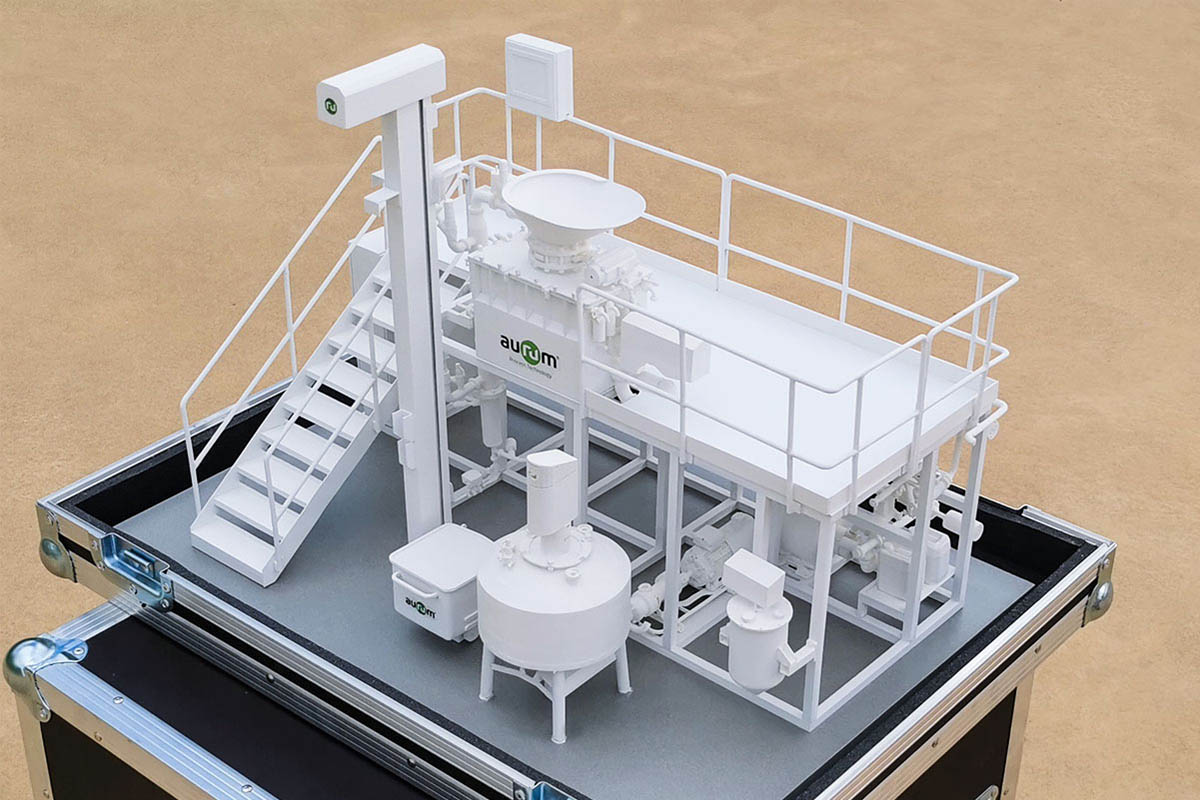
Once the design has been approved, manufacturing begins. Depending on the complexity of the model, various techniques can be used, such as 3D printing, he laser cutting or hand modeling. For factory models, Accuracy is crucial, as it is necessary to correctly represent both industrial structures and production and logistics systems.
The use of advanced technologies, such as 3D printing allows for the creation of complex components with great accuracy and in less time.. In turn, laser cutting ensures that the pieces fit together perfectly, especially when precise assembly of different areas is required, such as machinery areas or evacuation routes.
Besides, The logistics for delivery must also be taken into account., Large or delicate models may require special care during transport and assembly. Ensuring realistic delivery times and having a supplier that offers installation support can make all the difference. quality and punctuality of the final project.
Estimating time and managing deliveries
Delivery time varies depending on the complexity of the project. A large, highly detailed factory model can take several weeks to complete.
It is important Establish a realistic delivery schedule from the outset. that includes a margin for unforeseen circumstances, such as potential design adjustments or delays in material availability. A professional model maker will provide a detailed estimate of the time required for manufacturing, as well as progress milestones to ensure the project stays on schedule.

6. Reception and evaluation of the completed model
Once the factory mock-up has been manufactured and delivered, it is essential to conduct a thorough evaluation to ensure that it meets the established objectives and agreed quality standards.
Monitoring through photographs
During the manufacturing process of the factory models, It is crucial that the client performs a detailed monitoring through the photographs that the model maker sends him. These images allow you to verify that the key design elements are being correctly represented and help identify any errors or missing elements before it's too late.
By staying informed about these developments, the client can request adjustments in a timely manner, which Avoid surprises in the final delivery and ensures that the result meets the stated objectives.
Initial inspection of the model
The first step after the delivery of the model is to carry out a visual inspection and model technique. It must be verified that all the elements represented correspond to the approved design. In this process, special attention is paid to critical details such as the correct representation of production areas, the logistics system, and the layout of the machines.
It is advisable to compare the model with the original plans or the 3D models used during the design process to ensure that the dimensions and proportions are correct. In addition, the materials must meet the agreed-upon quality standards.
Preparation for presentation or use
Once the model has been approved, it's time to prepare it for its final use. If the factory model will be displayed at a presentation or trade fair, it's essential to ensure that It has been packaged properly to prevent damage during transport. In other cases, the model may need a special environment for its permanent exhibition, where it should be mounted with adequate lighting and stable supports.
It is important to coordinate with the client's technical or design team for the proper installation of the model, ensuring that it is kept in the best possible condition, especially if it will be used for long periods in a corporate presentation or as part of a continuous exhibition.

Did you enjoy this article?
Want to see other similar posts?

