
Maintaining and cleaning a model: tips to preserve its value

Francisco Piqueras
A model is not finished when the last piece is placed; from that moment on, another equally important responsibility begins: to keep it in good condition. Maintaining and cleaning a model It is essential for it to continue fulfilling its function over time.
EDust, the environment, and constant use can affect its appearance if it is not taken care of.. Therefore, providing it with regular care is an essential part of the job.
A well-made model conveys value
Every model tells a story.. Whether it's part of an exhibition, an educational tool, or a technical element, its physical state is part of the message.
A clean, well-presented model, free from deterioration, reinforces its original function and generates confidence in the observer.. Taking care of it not only extends its useful life: it also preserves its ability to communicate clearly and accurately.
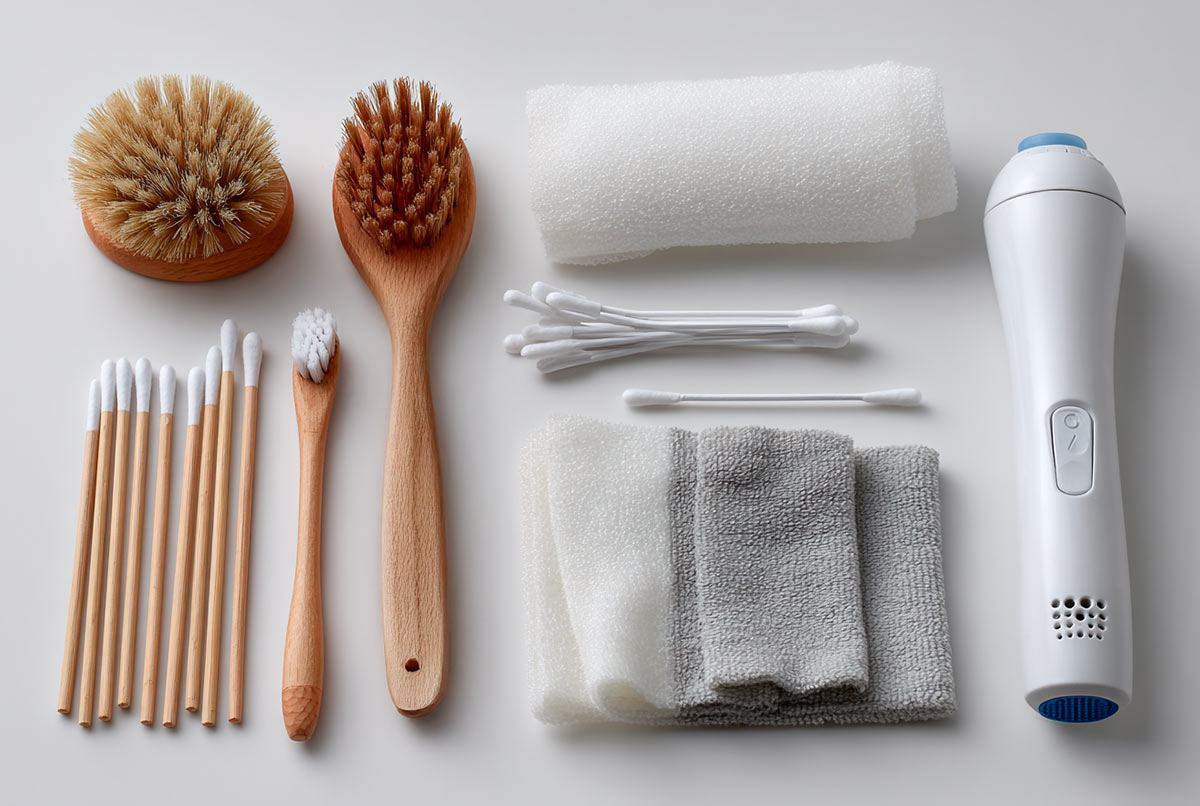
Essential tools and materials for maintaining and cleaning a model
Gentleness above all: the key is not to damage
When it comes to maintaining and cleaning a model, Softness is the fundamental principle. No harsh cloths, sponges, or aggressive cleaning products. Ideally, you should have a fine-bristled brush, soft paintbrushes, cotton swabs, and a microfiber cloth.
These tools allow you to remove dust without scratching surfaces or dislodging small parts. And if the model has fragile elements or decals, control and precision are even more important.
Products that help without leaving a trace
In most cases, Distilled water and a drop of neutral soap are all you need. For more delicate areas, a slightly damp cloth will suffice. There are also specific cleaners for scale models, but it's advisable to test them on an inconspicuous area before using them.
The important thing is not to take risks: Household products such as alcohol, all-purpose cleaners, or degreasers can ruin paint, warp plastic, or peel off adhesives..
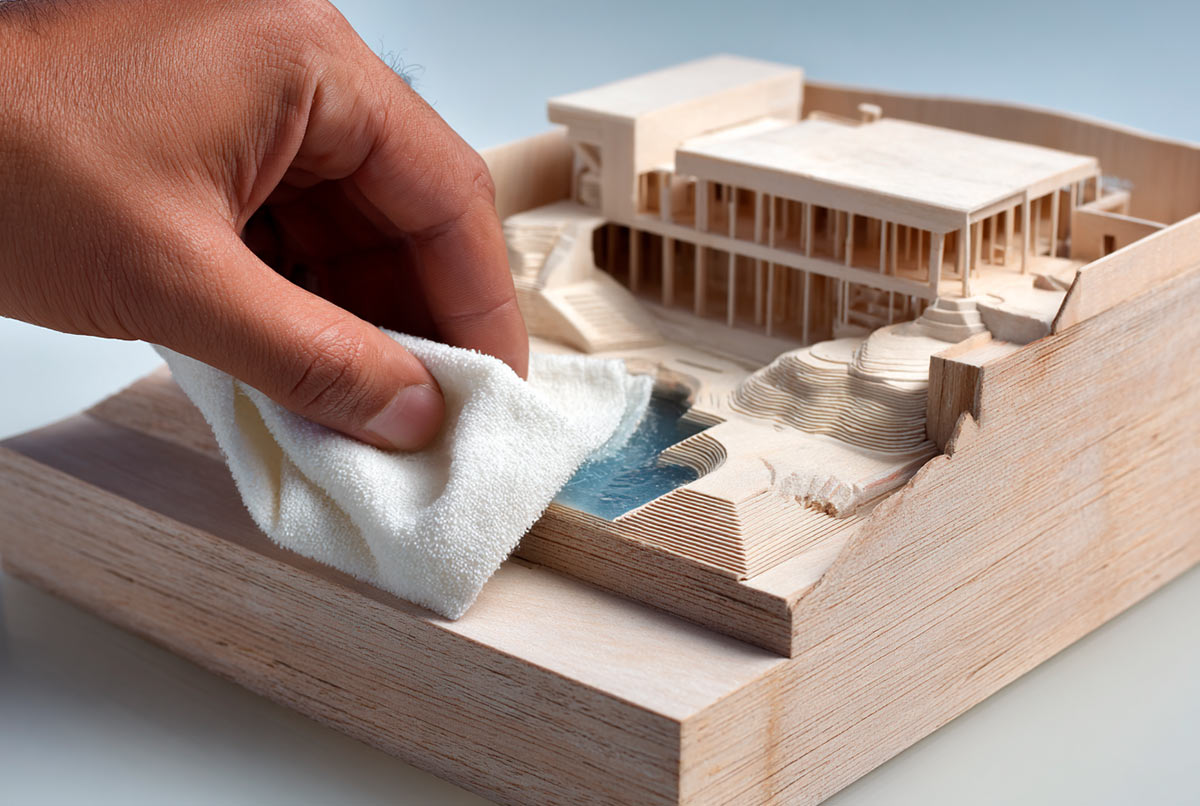
Step-by-step guide to cleaning a model safely
1. Remove dust precisely
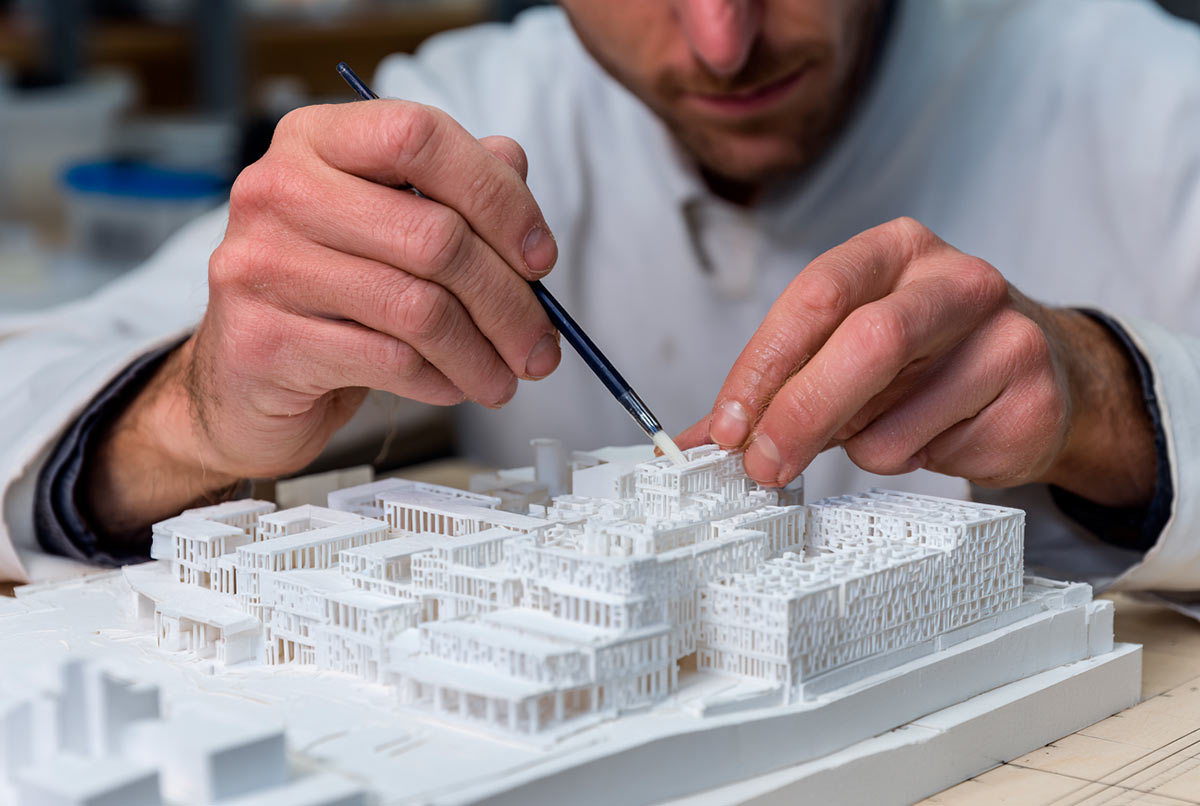
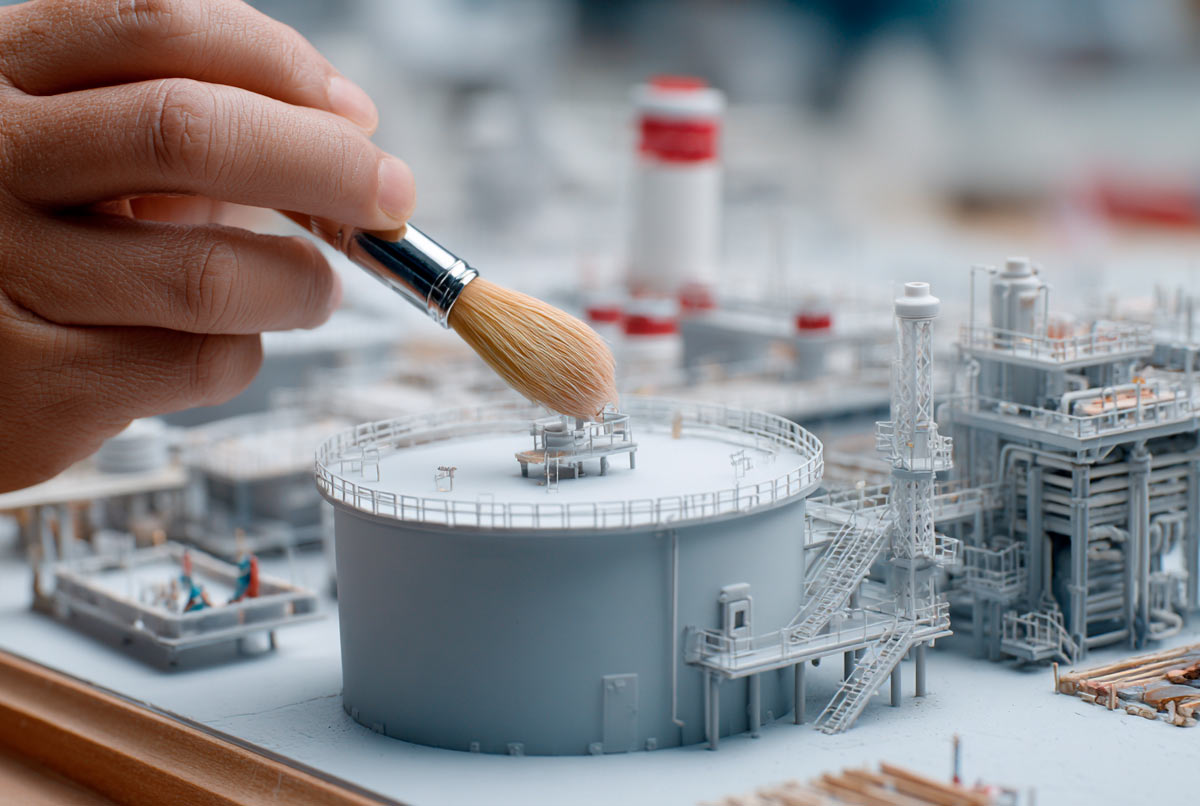
Dust is the most common enemy, but also the easiest to control if you act carefully. Use a soft brush or fine-bristled brush to remove it, always from top to bottom..
In models with many nooks and crannies, compressed air can be useful, provided it is used at low pressure and from a safe distance. Avoid blowing directly on the model or using powerful vacuum cleaners: these could dislodge small parts or lift decals.
2. Clean surfaces with minimal contact
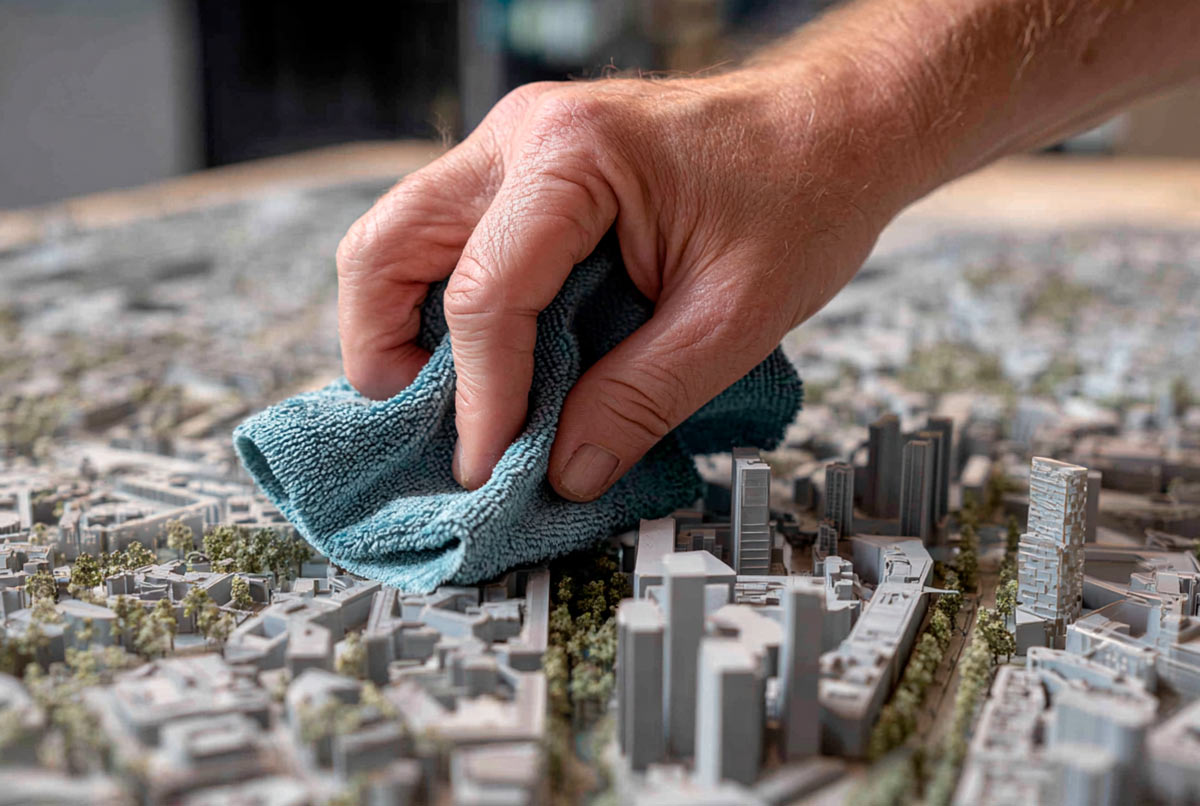
Once the dust is removed, you can move on to a more detailed cleaning. Lightly dampen a microfiber cloth with distilled water and a drop of neutral soap., and gently wipe the most accessible areas. It is essential not to soak the cloth or apply pressure.
For small or sensitive areas, a moistened cotton swab works very well. And always, after cleaning, dry with a clean, dry cloth to avoid streaks.
3. Take care of corners, edges and fragile parts
Difficult areas — such as inside corners, railings, or thin structures — require even more attention. Use fine brushes or dry cotton swabs to access the pieces without forcing or pushing them..
If any part seems loose or unstable, it's best to avoid touching it until you can examine it more closely. The goal is to clean it without compromising the model's integrity.

Preventive maintenance tips
A simple routine prevents many problems.
Taking a few minutes every now and then to check the condition of the model helps to detect any signs of deterioration in time. Cleaning should not only be done when dust is seen., but as part of a regular routine. A frequency of every 3 to 6 months, depending on the environment and level of exposure, is a good guideline.
Maintaining this consistency reduces the risk of accumulating hard-to-remove dirt and keeps the model always presentable.
Location: Choosing the right place makes all the difference
Where a model is placed directly influences its preservation. Avoid areas with direct sunlight, humidity, heat sources, or drafts, because these factors affect the materials over time.
Ideally, it should be kept in a dry, well-ventilated, and protected space. If it's on permanent display, it's best to use a display case or enclosure that limits contact with the outside without visually isolating it.
Avoid unnecessary handling
Every time a model is moved, it's exposed to risks: bumps, vibrations, loose pieces. That's why it's advisable Handle it as little as possible and always with clean hands or using gloves., especially if it has delicate finishes.
If it needs to be transported, it's best to have custom-designed packaging or consult with the team that built it.
Care instructions according to the type of model
Plastic models: special attention to decals
Models made with plastics and finished with decals or vinyls require very careful cleaning. Decals may peel off or wear away if rubbed too hard or with unsuitable products..
In these cases, it's best to simply remove the dust with a dry brush or compressed air. If cleaning with a cloth is essential, do so around sensitive areas, avoiding direct contact.
Metal or diecast models
This type of model It is usually more resistant, but not indestructible. The metal can rust or stain if aggressive liquids are used., and often involves paint or details that also require caution.
Cleaning should be done with a soft, slightly damp cloth, without applying pressure. Afterwards, it's advisable to dry all surfaces thoroughly to avoid marks or retained moisture.
Models with lighting or electronic components
Models with interactive lighting: uses, benefits, technology and costsIn models that include electrical systems, LED lights, or moving parts, cleaning must be done without introducing moisture into the connections. In these cases, it is safest to use only dry tools: brushes, paintbrushes or low-pressure air.
If internal dirt or wear is detected on the components, it is best to contact the manufacturer or a specialized technician to avoid damage.
Common mistakes to avoid
Using unsuitable products without checking beforehand
One of the most frequent mistakes is using household cleaning products, believing that they will work for all types of materials. Alcohol, all-purpose cleaners, or disinfectants can damage paints, warp plastics, or loosen adhesives., even in small quantities.
Before applying any product, make sure it is compatible with the model or test it in an inconspicuous area.
Dry clean without removing dust
Wiping a dusty model directly with a dry cloth may seem harmless, but It can cause microscopic scratches or displace particles that damage delicate details..
It is always best to remove dust first with a soft brush or compressed air, and only then clean surfaces if necessary.
Manipulating or disassembling parts without proper judgment
Another common mistake is disassembling parts of the model to better access difficult areas without the proper preparation or tools. This can lead to breakage, misalignment, or loss of pieces.
If an area cannot be cleaned without disassembly, it is best to consult the professional who manufactured it. before taking a risk.
Maintaining and cleaning a model is part of its value
Caring for a model should not be seen as a secondary task. It is a fundamental part of its lifespan, its ability to continue conveying a clear message, and the respect shown for the work it represents.
Maintaining and cleaning a model regularly, with the right tools and without rushing, ensures that it retains its presence, accuracy, and visual impact over time.
Try to plan
Just as its construction is planned, it is also advisable to establish simple preventive maintenance routines. A well-made model says a lot about the person presenting it and the project it represents.
With a few well-applied habits, you can preserve its quality for years and continue to use it with pride in every presentation, exhibition, or visit.

Did you enjoy this article?
Want to see other similar posts?

