
What is a model?
Scale models, what are they? Stay on this post if you want to know what scale models or models are used for.

Marina M. López
At IA Manufacturing we work with professional models every day, so we want to explain what a model is and why it is so important in different types of projects

1. What is a model and what is it used for?
A model is a physical, digital, or hybrid representation of an object, space, building, installation, or idea. It can be made to scale, with varying levels of detail, and serves to better understand the form, volume, layout, and function of a project before it is manufactured, constructed, or presented.
In practice, a model helps to explain what a plan, an image, or a technical report cannot always convey clearly.
That's why models are used in architecture, engineering and/or industry, museums and exhibitions. Each case requires a different type of model: from a single piece simple concept up to one interactive model with lighting, sensors or audiovisual content.

2. Difference between a mock-up, a model, and a prototype
When someone wants to explain an idea before building or manufacturing it, they can use a scale model, a mock-up, or a prototype. All three serve to visualize something that doesn't yet exist, but they are not used for the same purpose. The scale model helps to visualize, the prototype helps to study, and the prototype helps to test.
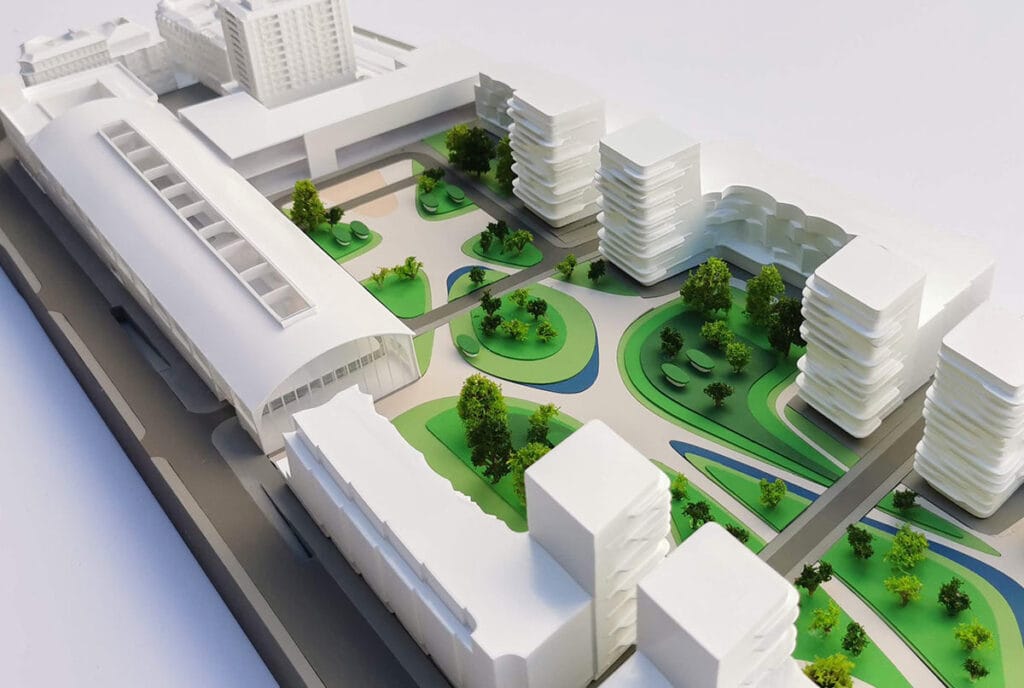
Model
A model is a scaled-down representation of something that is to be built, presented, or explained. It can be a building, a house, an industrial facility, a museum, or even a city. Its main purpose is to allow anyone to clearly visualize the project, with its shapes, volumes, and layout.
It helps to understand an idea at a glance, without needing to interpret technical drawings.
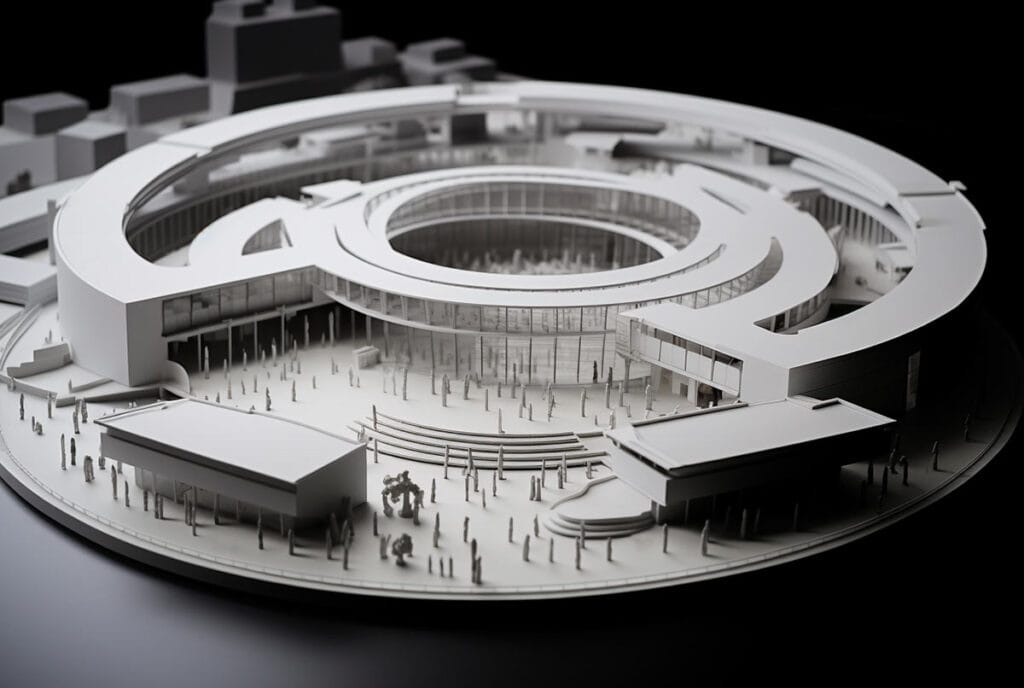
Model
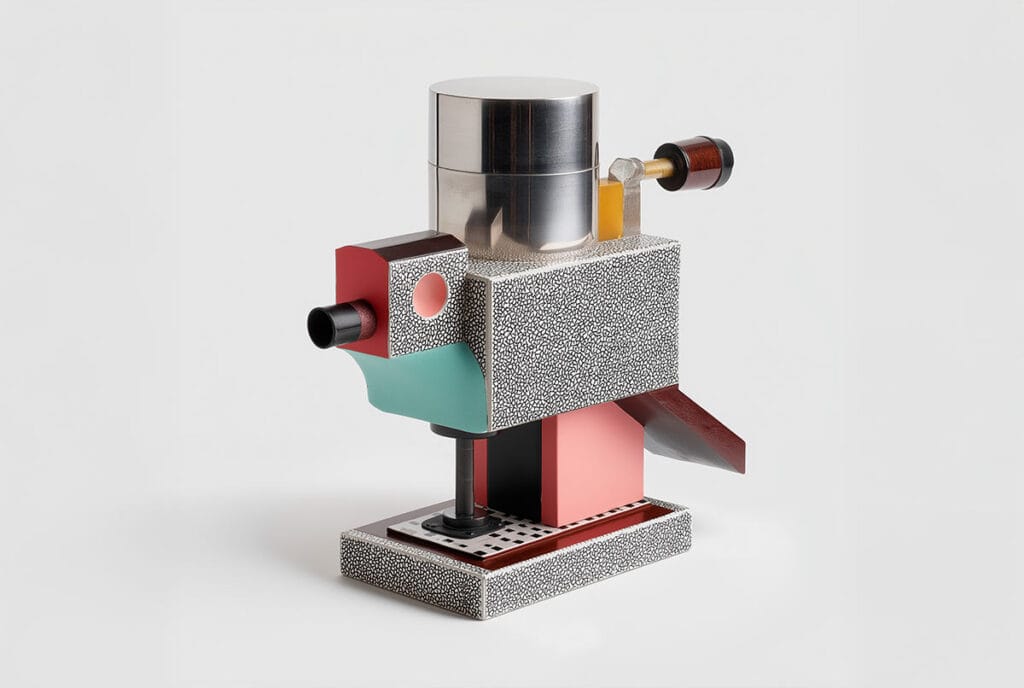
A model is a simpler or study representation. It's used to analyze an idea, test proportions, compare shapes, or make decisions before moving forward with the project. It doesn't always need to have final finishes or a high level of detail.
Its value lies in helping to think about, correct, and improve a proposal during the design process.

Prototype
A prototype is a first version of something that is intended to be manufactured or put into operation. Unlike a scale model, it doesn't simply show what it will look like, but allows you to verify whether a part, product, or system functions as expected.
It is used to detect errors, test materials, and make improvements before creating the final version.

3. What is a model used for?
A model serves to explain an idea visually before it is built, manufactured, or presented. It helps to see the size, shape, layout, and details of a project much more clearly than a plan or an image. That's why it's a very useful tool for making decisions, presenting proposals, and communicating projects to people who don't have technical knowledge.
A tool for presenting projects clearly
In architecture, engineering, museum design, or any other field, a scale model allows a project to be understood quickly and easily. Seeing it in three dimensions makes it easier to identify proportions, pathways, access points, heights, and relationships between spaces.
This makes it easier for clients, investors, technical teams, or visitors to understand the proposal without having to imagine it from scratch.
4. Types of models according to their use
There are many types of scale models, and each one is designed with a specific purpose. Some help sell a real estate development, others explain a technical project, showcase a building, support an exhibition, or allow interaction with an installation.
The key is to adapt the model to the message you want to convey and to the audience that will see it.

Architectural models
The architectural models They are used to represent buildings, homes, urban spaces, or construction projects before they are built. They help to visualize the volume, layout, heights, and relationship of the building to its surroundings. They are especially useful for explaining an architectural project in a clear and visual way.
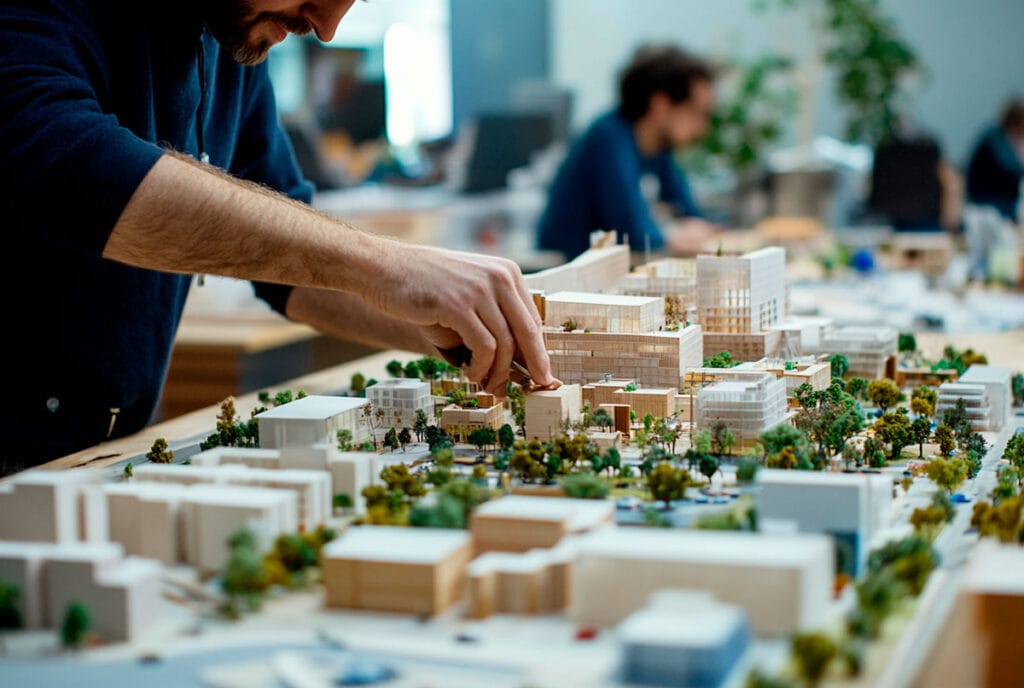
Real estate models
The real estate models They are used to showcase properties such as homes, housing developments, hotels, offices, or commercial spaces. They allow buyers to see what the finished project will look like, even when it is still under construction or being sold off-plan. They help build trust because they make a future idea visible and easy to understand.
Industrial models
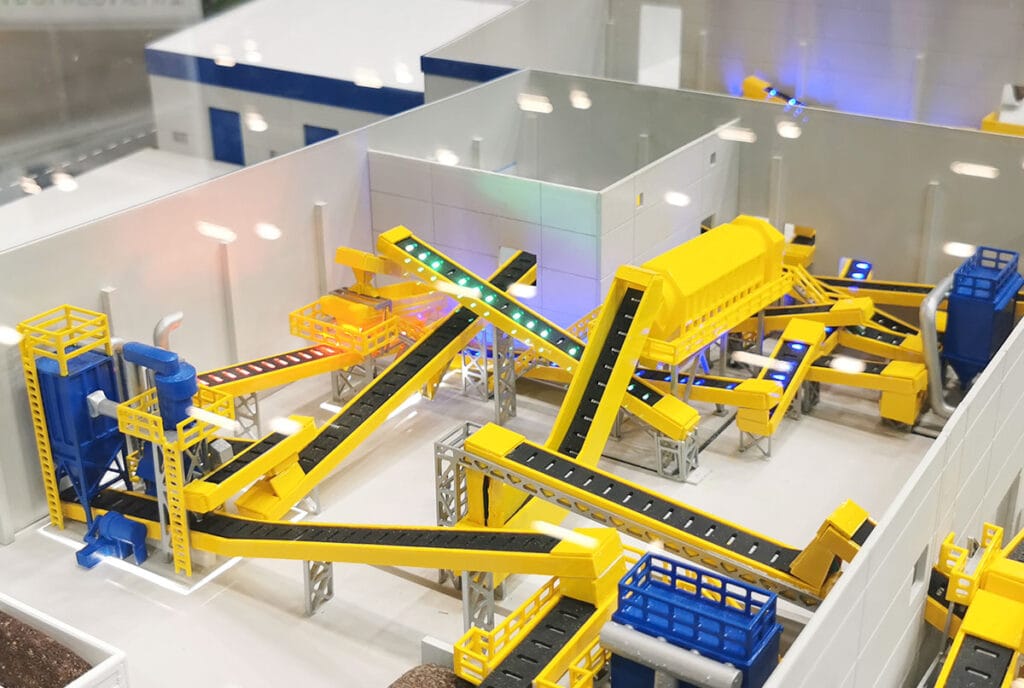
The industrial models They represent factories, machinery, production processes, technical facilities, or work lines. They are used to explain how a system works, demonstrate a complex solution, or present an improvement within a company. They are very useful when the project has technical parts that are difficult to understand using only plans or documents.
Engineering models
The engineering models They help to represent infrastructure, bridges, roads, energy facilities, hydraulic works, or large-scale technical solutions. Their aim is to show how the project is organized and how its different parts relate to one another. They allow you to communicate complex information in a much simpler way.

Museum models
The museum models They are created for museums, interpretation centers, exhibitions, or educational spaces. They serve to explain historical buildings, landscapes, archaeological sites, natural processes, or cultural content in an accessible way. Its main function is to help the visitor better understand what they are seeing.
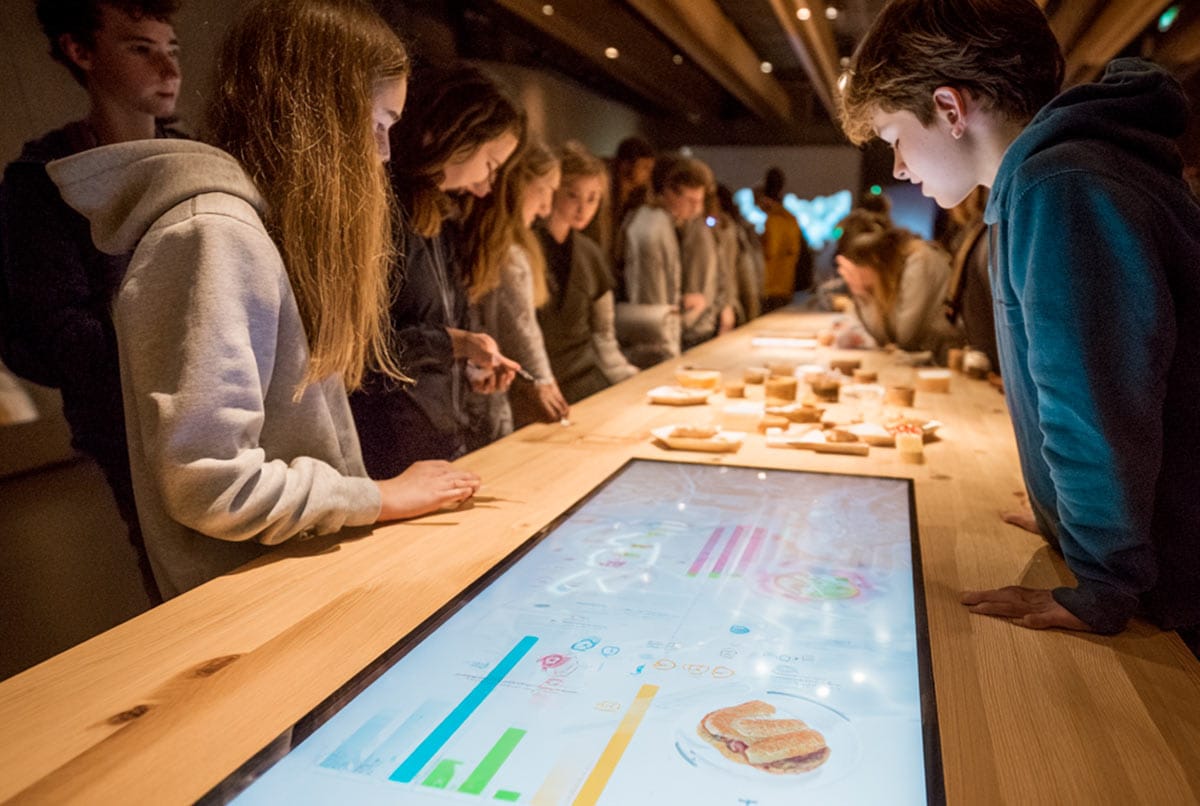
Interactive models
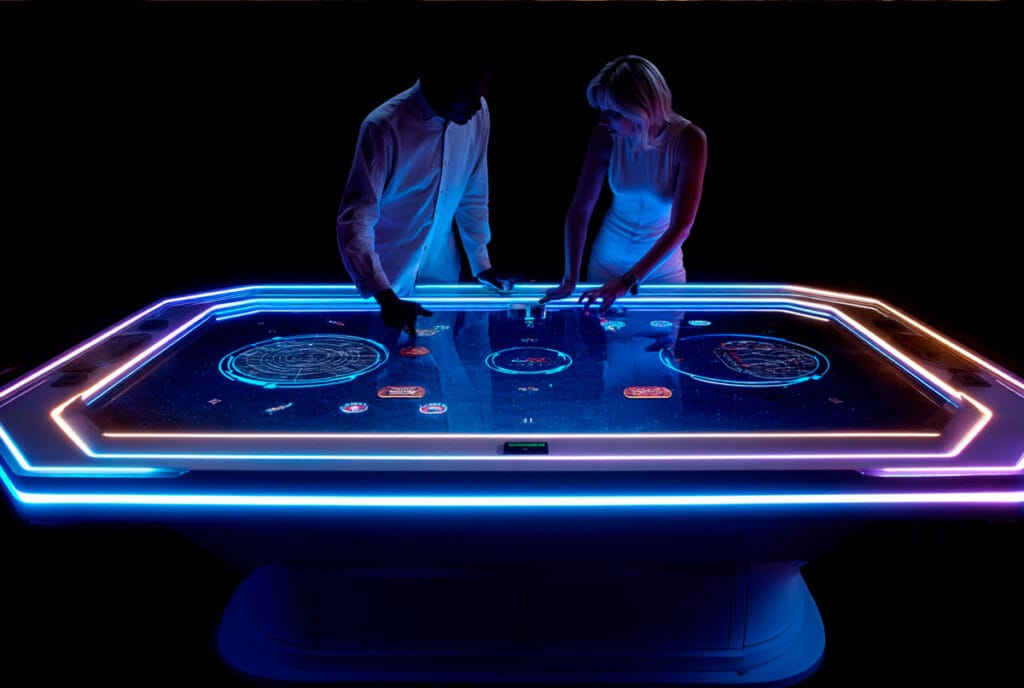
The interactive models They incorporate light, sound, movement, sensors, screens, or digital content. They are used in museums, trade shows, showrooms, visitor centers, or business presentations. They get the public involved and help them better remember the project's message.

Topographic models
The topographic models They depict the topography of a terrain, its slopes, mountains, valleys, roads, and other natural features. They are used in landscape projects, civil engineering, environmental studies, tourism, and land-use planning. They help to understand how the terrain influences the development of a project.
Virtual models
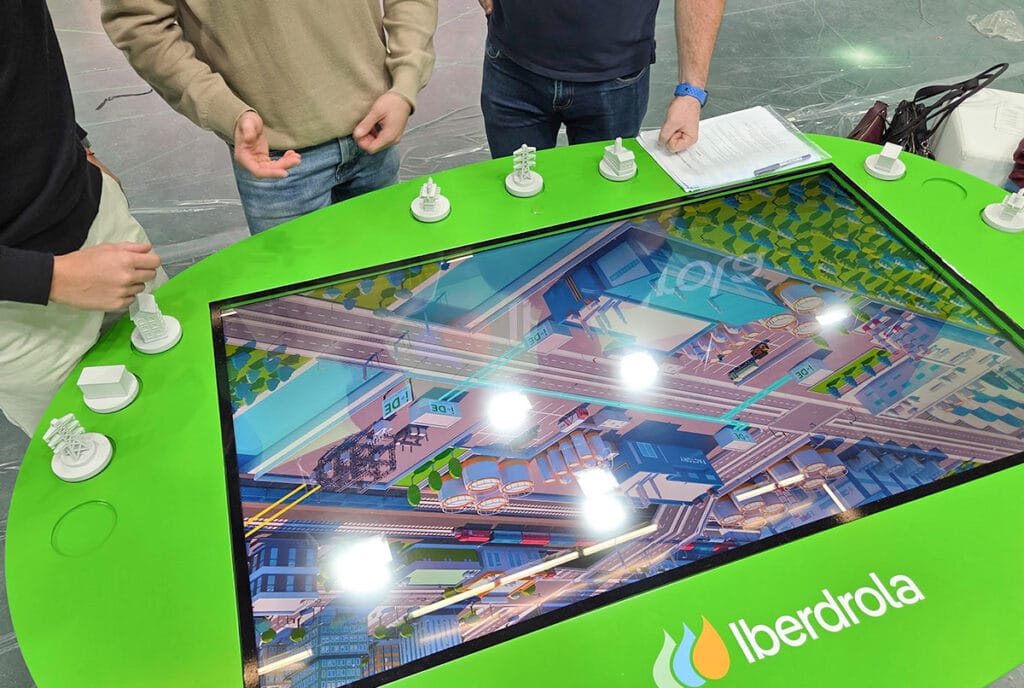
The virtual models They allow you to visualize a project using digital resources, such as 3D tours, augmented reality, interactive screens, or immersive environments. They don't always replace the physical model, but they can complement it very well. They are a good option when you need to display multiple versions, tours, or changing information.

5. Budget, deadlines and next steps
He budget for a model It depends on several factors: size, scale, level of detail, materials, finishes, and intended use. A simple model for studying volumes doesn't cost the same as a professional model with lighting, movement, or interactive elements. The clearer the project's objective, the easier it will be to define a tailored and realistic proposal.
What data helps to prepare a budget
To calculate the budget for a scale model, it's helpful to gather plans, measurements, reference images, renderings, or any other documents that help to understand the project. It's also important to know where it will be displayed, who will see it, and what level of finish it requires. This data allows for a better selection of the scale, materials, and type of manufacturing that is most appropriate.
How long does it take to make a model?
The deadlines for a model They vary depending on the complexity of the project. A simple piece can be completed faster than a large-format model with many details or interactive systems.
Other factors include the availability of blueprints, design revisions, and the assembly process. That's why it's advisable to plan the model with plenty of time, especially if it's needed for a trade fair, presentation, or specific delivery.
Next steps to order a model
The first step is to define what you need to explain with the model. Then, the available information is reviewed, the most suitable type of model is assessed, and a proposal is prepared outlining materials, scale, finishes, deadline, and budget.
A good model starts with a clear conversation about the project's objective and the message it should convey.
Your budget in
48 Hours

Madrid – C/ Jerez nº 3
Lorquí – C/ Río Quipar, 13
Madrid
+34 910 608 058
Murcia
+34 968 007 991
*The estimated time for preparing the budget will depend on the material received and the nature of each project.