
Price of an Architectural Model: Everything You Need to Know

Francisco Piqueras
The price of an architectural model varies depending on several factors, such as materials, scale, and level of detail. Understanding these elements is essential for proper planning and budgeting. architectural project. In this article, we will break down the main factors that influence the cost of a model and offer concrete examples of prices according to different scales.
With this information, you'll be able to get a better idea of how much to invest in your next project and How to get an accurate quote tailored to your needs.

Factors that influence the price of an architectural model
The cost of an architectural model is not fixed and can vary considerably depending on a number of factors. key factors. Below, we break down the most important elements that affect the price of an architectural model:
1. Materials used
The choice of materials is crucial in determining the price. Models can be built with countless materials with different characteristics such as wood, plastic, acrylic, or even metals.
Each material has a different cost and can influence the durability and final appearance of the model. For example, models made with high-quality materials such as acrylic and metal can offer a more professional and detailed appearance, but they also increase the cost compared to cheaper materials such as cardboard or foam.
2. Level of detail and complexity
Models with a high level of detail and complexity in their design tend to be more expensive. This includes details such as interior furnishings, landscaping, and specific architectural elements that require more time and precision in their manufacture.
For example, a scale model that includes minute interior details, such as furniture and accessories, can be significantly more expensive than a model that only shows the exterior of a building. Furthermore, The inclusion of elements such as LED lighting or moving parts can also increase the cost.
3. Size and scale of the model
The size and scale of the model are also important factors in its price. Larger models and smaller scales (such as 1:24) generally require more materials and construction time, resulting in a higher cost. For example, a 1:24 scale model, which displays a high level of detail and occupies more space, will be more expensive than a 1:100 scale model. The chosen scale It must balance the level of detail required with the available budget.
4. Manufacturing time
The time required to manufacture a model is a fundamental factor that influences its price. Projects with tight deadlines can increase the cost due to the need for overtime work or project prioritization.
If a model needs to be delivered in a very short time, It may require additional work shifts or even the hiring of more staff, This increases the final price. On the other hand, a more flexible delivery time can allow for more efficient planning and lower costs.
5. Customization and specific requirements
Projects that require a high degree of customization, such as unique elements or specific modifications, They can also be more expensive.
This includes adaptations to customer requirements, such as specific colors, special textures, or additional elements that are not in the standard design. Each customization involves additional work and, therefore, an increase in cost.

Factors that influence the price of an architectural model
The cost of an architectural model is not fixed and can vary considerably depending on a number of factors. key factors. Below, we break down the most important elements that affect the price of an architectural model:

1. Models for professional presentations:
These models are used in presentations to clients, investors, or during architectural competitions. They usually require a high level of detail and precision to faithfully represent the project. The materials used are usually high quality, such as acrylic, resins or even metal, and may include LED lighting or interactive elements.
Example: A 1:50 scale model of an office complex can cost between 6,000 and 8,000 euros, depending on the level of detail and the materials used.

2. Educational and didactic models:
Used in educational settings, these models are usually less expensive than professional ones, since The focus is on functionality and teaching rather than visual presentation. The materials can be simpler and cheaper, such as cardboard, wood, or plastic.
Example: A 1:100 scale model of a single-family home for educational use can cost between 800 and 2,500 euros.

3. Scale models for exhibitions and museums:
Models intended for exhibitions and museums need to be durable and visually striking. They are often built with high-quality materials and a great level of detail, including historical and contextual elements. Lighting and interaction can also be key components.
Example: A 1:24 scale model of a historic building for an exhibition can cost between 8,000 and 15,000 euros, depending on the complexity and details required.
Examples of prices according to the scale of the model
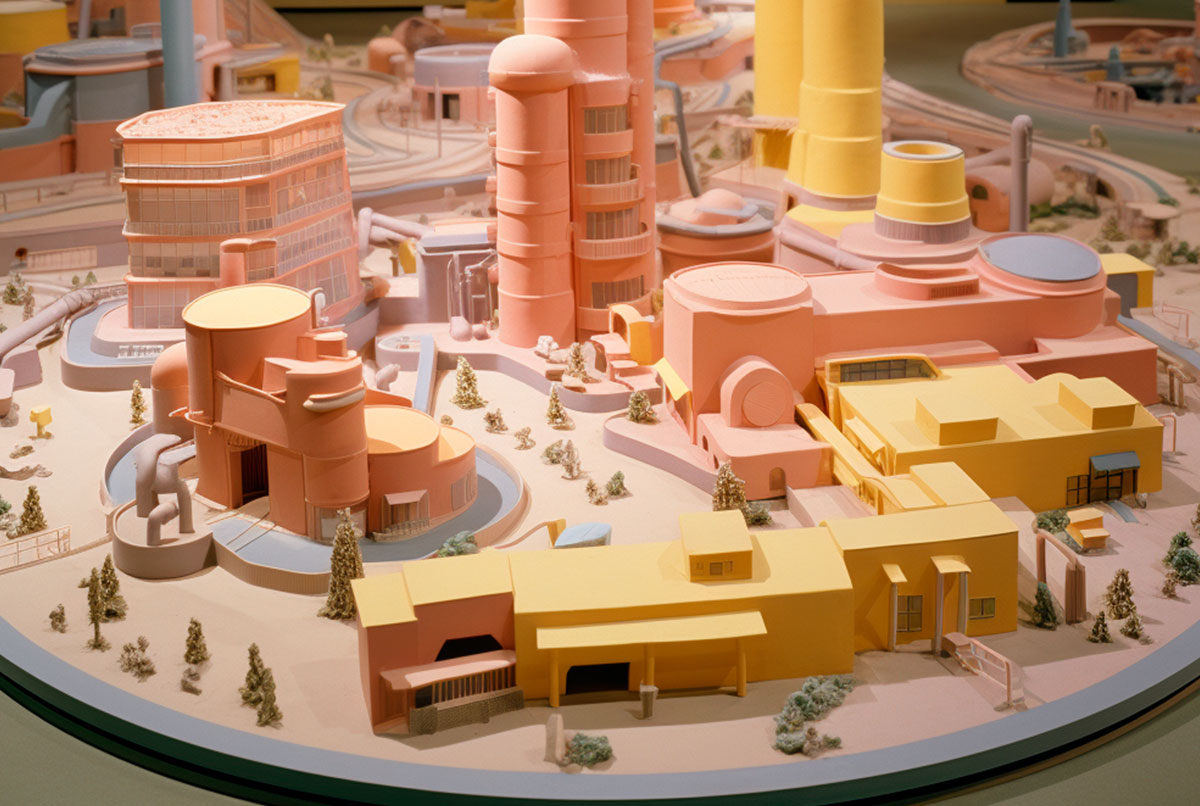
The price of an architectural model also It varies depending on the scale at which it is built.. Below are four examples of prices based on different scales common in the sector:

1. 1:24 scale model
The 1:24 scale models are detailed and large, ideal for exhibitions and presentations where a high level of detail is needed. This type of model usually shows interiors and exteriors with great precision, allowing you to visualize specific elements such as furniture, textures and landscaping.
Estimated price: Between 7,000 and 12,000 euros.

2. 1:50 scale model
This scale is commonly used in professional presentations and architectural competitions. It allows you to show significant details without being too large. It is ideal for projects that require a good balance between detail and portability.
Estimated price: Between 5,000 and 9,000 euros.

3. 1:100 scale model
Models at this scale are smaller and more manageable, ideal for preliminary design studies and more general presentations. They offer a good balance between size and level of detail, being useful for presenting the general structure and layout without going into too much detail.
Estimated price: Between 4,500 and 8,500 euros.

4. 1:150 scale model
This scale is useful for presentations that require a broader view of the project, such as the overall layout and the surroundings. They don't focus on minute details, but they are excellent for seeing the project in context, especially in urban plans or large developments.
Estimated price: Between 4,000 and 7,000 euros.

How to obtain an accurate and tailored budget
Get an accurate quote for an architectural modelPlanning is essential to properly plan your project and ensure that it meets your expectations and budget.. Here are some steps and tips to help you achieve this:
1. Clearly define the project requirements:
Before requesting a quote, it is important to have a clear and detailed idea of what you need. Define the purpose of the model, the level of detail required, preferred materials, scale, and any specific elements you wish to include.
For example, if you need a model for an investor presentation, you might require a high level of detail and premium finishes. On the other hand, for an educational model, more economical materials and fewer details might suffice.
2. Provide detailed plans and documents:
Provide the model company with architectural plans, renderings, and any other documents that may help to better understand the project. The more information you provide, the more accurate the quote will be.
Include notes on specific elements such as landscaping, lighting, or interior features if they are relevant to the project.
3. Consult with professionals and ask questions:
Don't hesitate to ask any questions you may have about the model-making process, the materials used, and the delivery time. Consulting with the professionals will help you better understand what to expect and how the cost is calculated.
A model is a very abstract element when it comes to commissioning it; it can be made of cardboard susceptible to humidity or of an impact-resistant thermoplastic., Make sure they explain to you what you are ordering..
4. Evaluate the value for money:
Choosing the cheapest option isn't always advisable. Consider the quality of the materials, the level of detail, and the company's experience and reputation. A well-made model can be worth the additional investment.
Look for references or case studies of previous projects carried out by the company to evaluate its capacity and quality of work.
Conclusion
Determining the price of an architectural model can seem complicated due to the variety of factors that influence the final cost. From the materials used and the level of detail, to the scale and manufacturing time, each aspect plays a crucial role in determining the price. Through this article, we have explored how Different types of projects and scales affect the cost, providing concrete examples to help you better plan your budget.
It's essential to clearly define your project requirements and provide all the necessary documentation to obtain an accurate quote. Consulting with professionals and evaluating various options will allow you to make informed decisions. make sure the model meets your expectations. At Ia Manufacturing, we are committed to providing high-quality models tailored to your specific needs, guaranteeing a worthwhile investment.
With this guide, we hope to have provided you with a clear and detailed overview of architectural model costs and how to get the best value for your next project.

Did you enjoy this article?
Want to see other similar posts?

