
The 6 most common mistakes when ordering a custom model and how to avoid them

Francisco Piqueras
Commissioning a custom mock-up can be a decisive step in taking a project to the next level. Whether it's a design architectural, a industrial model or a piece for museography, The success of the model depends largely on the decisions made during its planning and commissioning. Every detail, from the objectives to the materials and finishes, has a direct impact on the final result.
Without proper preparation, it's easy to run into problems such as lack of accuracy, incomplete designs, or even unnecessary delays. Each mistake represents a challenge that can translate into last-minute adjustments or a mock-up that does not meet expectations. In this article, we will explore the most common mistakes that usually occur during this process and how to avoid them to ensure a quality model that accurately represents your project.

1. Not clearly defining the project objectives
One of the most frequent mistakes when ordering a custom model is not being clear about the objectives you want to achieve with it. This step, which may seem simple, is crucial to determine aspects such as the level of detail, scale, and materials to be used. For example, a model intended for a public exhibition will require striking visual features, while one focused on technical studies will need precision and functionality.
Defining objectives from the outset helps align customer and manufacturer expectations. It is advisable to create a briefing that details key aspects such as... purpose of the model, its target audience and the conditions under which it will be used. This document may include design information, visual references, and technical specifications, which will facilitate effective communication and ensure that the final result meets the specific needs of the project.

2. Communication errors and lack of technical details
Communication between the client and the manufacturer is fundamental to the success of a custom model. One of the most common mistakes is not sharing enough technical information or not maintaining a constant flow of communication during the process. This can result in models that do not accurately reflect the details of the original project.
It is important to provide all the necessary documentation from the outset. Technical drawings, detailed specifications, color palettes, and visual references are key elements that the manufacturer needs to ensure an accurate result. Furthermore, Holding regular meetings to clarify doubts or adjust details during the manufacturing process helps prevent errors and ensures that both parties are aligned in terms of expectations.
One additional tip is establish review points at key stages of the project. This allows for timely adjustments and avoids unpleasant surprises at the end of the process. Effective communication is the foundation for achieving a model that not only meets the technical requirements but also impresses with its quality and style of representation.
3. Incorrect selection of materials and scale
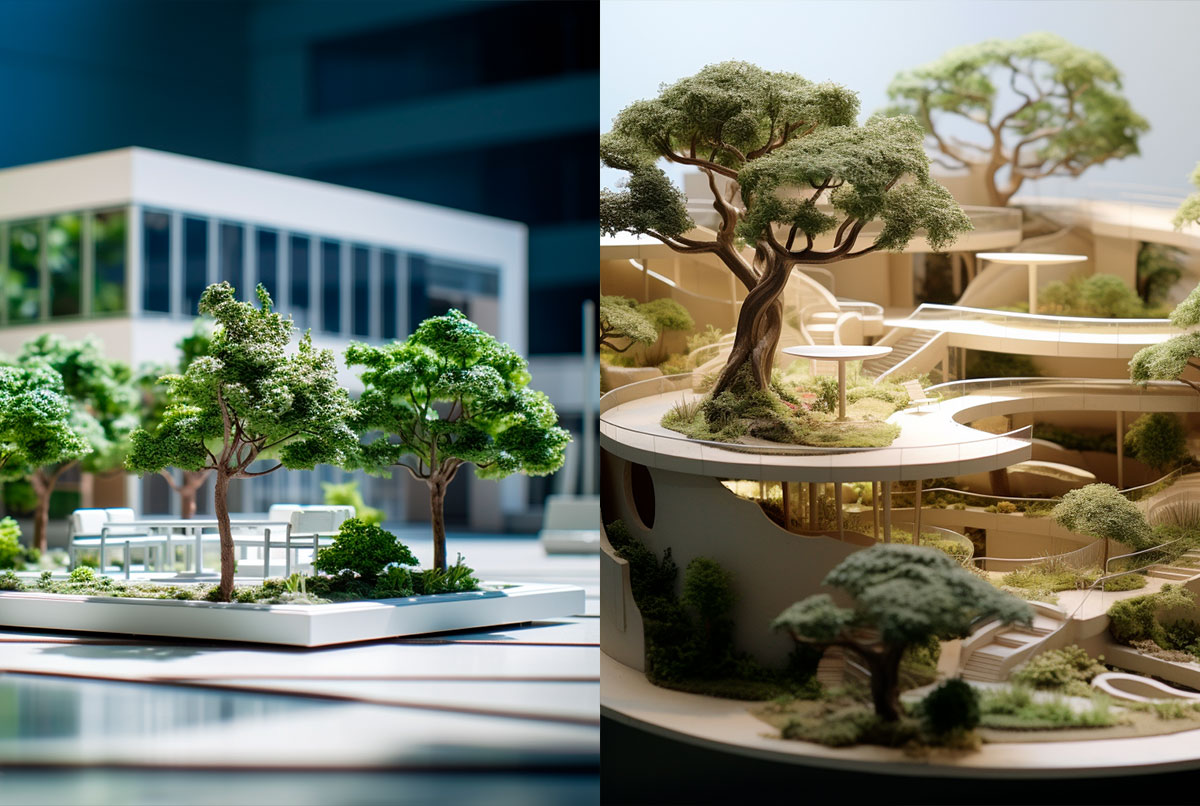
Choosing the materials and the scale Proper materials are essential to ensure a custom model fulfills its purpose. However, this is one of the most common mistakes when ordering a model. Inappropriate selection can affect both functionality and aesthetics, negatively impacting the perception of the project.
The scale should be chosen taking into account the level of detail required and the intended use of the model.. For example, for urban planning projects, a smaller scale allows for the representation of large areas, while for interiors, a scale is required that highlights specific elements such as furniture or textures.
Regarding the materials, it is important that they reflect the characteristics of the actual or simulated design. Materials like wood, plastic, or acrylic are ideal depending on the desired style. For example, acrylic is perfect for modern and minimalist projects, while wood can provide a warm, handcrafted finish. Consulting the manufacturer and exploring the available options will ensure that the model is a faithful representation of the original design.

4. Underestimating the time and budget needed
Properly planning time and budget is a key aspect for the success of a custom model, but It is common for these elements to be underestimated. This error can lead to delays in delivery or compromising the final quality of the model having to resort to last-minute solutions or less suitable materials.
The time required to create a model depends on its complexity, the level of detail, and the materials selected. A simple model can take a few weeks, while a complex one with interactive elements could require several months. Establishing a realistic timeline from the beginning, in collaboration with the manufacturer, helps to avoid unforeseen problems.
Regarding the budget, it's essential to consider not only the direct costs of the model itself, but also potential adjustments, transportation, and other additional expenses. Including a margin in the initial budget allows for unforeseen events without jeopardizing the project's development. In this respect, we must primarily consider the return on investment., There's no point in saving a few hundred euros on a model that will serve as a representation of our project.

5. Not verifying the manufacturer's references
Trusting a manufacturer without researching their experience or reviewing their previous work can be a costly mistake when ordering a custom model. Not all suppliers have the technical capacity or attention to detail necessary to meet specific expectations.
Before making a decision, it is advisable request a portfolio or examples of previous projects. This allows you to assess the quality of the work, the materials used, and the manufacturer's style. It's also helpful to read reviews from other customers to ensure the supplier meets delivery deadlines and maintains good communication throughout the process.
Checking the manufacturer's references is a simple step that can prevent problems such as poor finishes, models that do not meet specifications, or even unexpected delays. Choosing a reliable supplier ensures that the final result meets your expectations and needs.

6. Not considering interactive technologies or elements
In the design of a custom model, incorporate technologies and interactive elements This can make a big difference in the user experience. Ignoring these possibilities is a mistake that can reduce the impact and functionality of the mockup. Nowadays, There are multiple options. to add value to the model, such as LED lighting, moving components, or even augmented reality.
These elements not only make the model more attractive, but also allow for a deeper understanding of the project. For example, a model with lights can show how natural light affects a building at different times of day. Similarly, moving parts can be useful for explaining the operation of mechanical components or industrial systems.
Before ordering your mockup, consider whether these technologies can add value to your presentation.. Talking to the manufacturer about the available options is a great way to explore possibilities and choose the ones that best suit your needs. Integrating technology not only improves the presentation but also increases the visual and functional impact of the model.

Conclusion: Anticipating mistakes guarantees success
Ordering a custom model is a process that combines creativity, planning, and precision. It is not a supply where we can compare different suppliers on equal terms; each model maker brings a style and knowledge that cannot be easily replicated.
As we have seen, avoiding errors such as a lack of clear objectives, poor communication, or inappropriate selection of materials and scales is key to achieving a high-quality result. Furthermore, allocating sufficient time and budget, as well as considering the incorporation of interactive technologies, can make a difference in the impact and functionality of the model.
With a well-planned approach and by working hand in hand with expert manufacturers, it is possible to obtain a model that meets all expectations and becomes a valuable tool for your projects. Don't let common mistakes compromise the potential of your model. Take the time to plan and ensure the success of your next project!

Did you enjoy this article?
Want to see other similar posts?

