Scale models of fire stations: the history of Alcalá de Henares told to scale

Models of fire stations

The scale models of fire stations we created for Alcalá de Henares are part of a very special project linked to the station's 50th anniversary. Through three scale reproductions, this work recreates the various locations the fire service has had in the city and transforms its evolution into a visual narrative with historical, exhibition, and documentary value.

How to request a professional model quote (without wasting time)

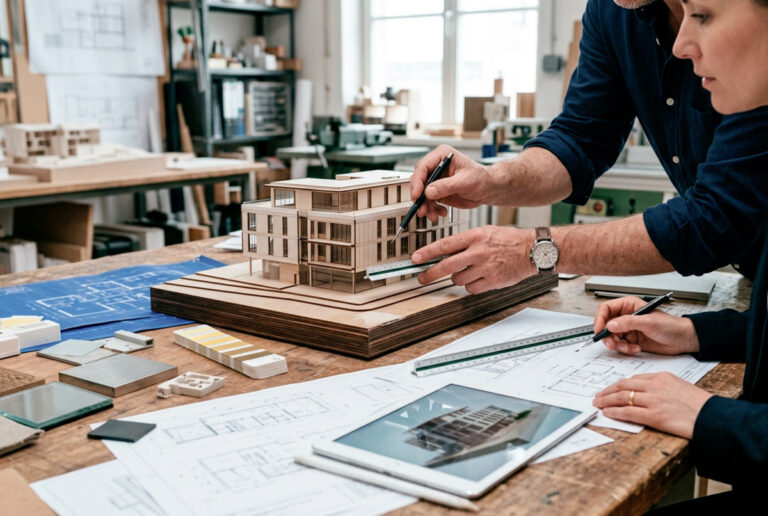
Professional model budget

Requesting a quote for a professional scale model doesn't have to be a lengthy process. When the request includes clear information about the model's intended use, scale, style, and production timeline, the studio can assess the project more quickly. This article explains what information to prepare, what mistakes to avoid, and how to submit a well-structured request to expedite the quote process.

Delivery times for professional models: plan and secure the date

Delivery times for professional models

Each model is unique, and its production doesn't follow a standard timeline. In this article, we explain how long each type of model can actually take, what factors influence its development, and what you can do to ensure delivery by your deadline. An honest and practical guide, straight from the workshop.

Maintaining and cleaning a model: tips to preserve its value

Clean architectural model

Maintaining and cleaning a model is not just about aesthetics: it's a fundamental part of its preservation and its ability to continue communicating clearly. In this article, you'll find a practical and detailed guide on how to properly care for them, what tools and products to use, and what mistakes to avoid. From dust to environmental exposure, every decision influences their durability and appearance. Learn how to protect this valuable work and ensure that each model continues to function as well as it did on day one.

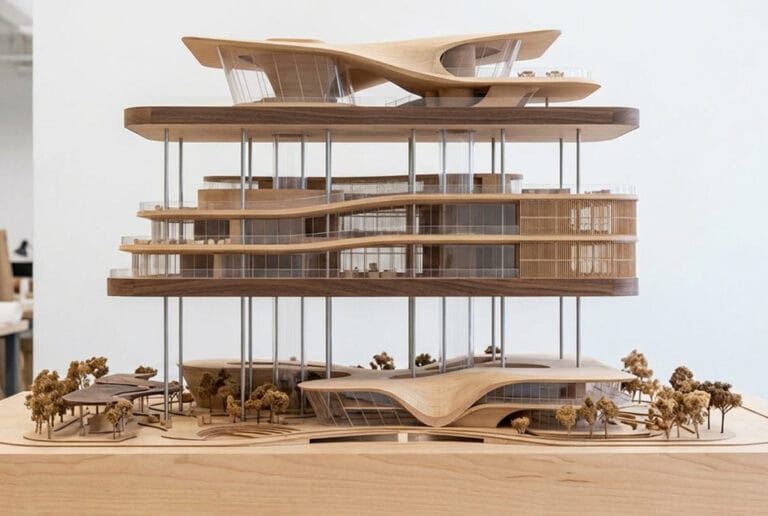
Think about it, you really don't need to build "a model"«

Building a model is much more than simply representing an idea in three dimensions. It's an opportunity to connect with the public, convey a clear message, and create a memorable experience. But to achieve this, it's not enough to just start building. First, it's essential to clearly define what you want to convey, who your target audience is, and how it should be presented. In this article, we'll help you reflect on each step before construction: from choosing the level of detail to the visual style, materials, and degree of interactivity. Because a well-designed model isn't just something to look at: it's something to understand, feel, and remember.

Landscape model: what it is, its uses, challenges, costs and applications

A landscape model is an essential tool for visualizing how a project relates to its surroundings. It allows for the clear representation of topography, vegetation, and buildings, facilitating technical analysis, decision-making, and communication with diverse audiences. Its applications range from architecture and urban planning to museography and environmental planning, and today it is also combined with interactive technologies to further enrich the experience.

Competition model for Zaha Hadid Architects

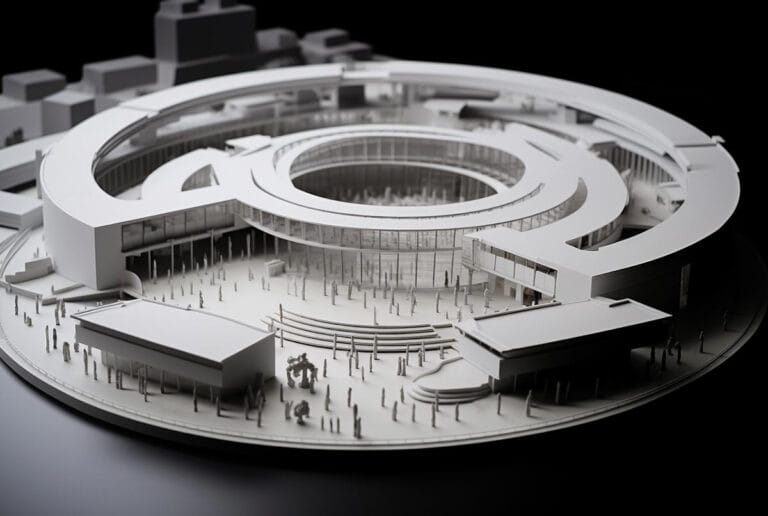
Zaha Hadid competition model 2

A competition model can make all the difference in a competitive process. In this project, created for a renowned studio, we successfully represented a complex urban environment with precision, visual clarity, and architectural precision. A work where form becomes message.

Construction section models: uses, challenges and costs

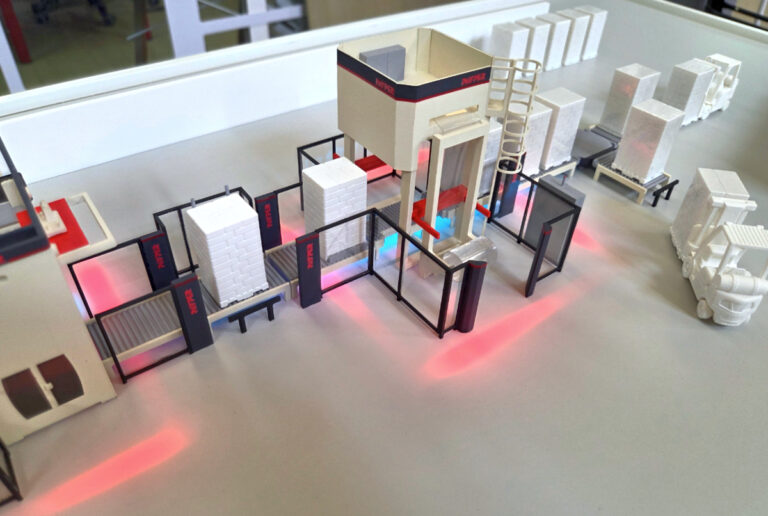
industrial construction section

A scale model allows you to showcase the technical inner workings of a project without dismantling it. From architecture to engineering, industrial design, and technology, these models are essential for visualizing, explaining, and validating complex solutions. This article explores their uses, materials, applicable sectors, common challenges, and costs, explaining why they remain a key tool in technical and educational settings.

Everything you need to know about a landscape model: uses, challenges and costs

Model of a simulated landscape

A landscape model is not simply an addition to an architectural project: it is key to demonstrating how a proposal integrates with its surroundings. This article answers essential questions about its function, representation, materials, costs, and challenges, explaining why a well-designed model can be decisive in a presentation, approval process, or competition.