
Price of a professional model: factors that explain how much it can vary

Commissioning a scale model sometimes seems like a simple request: to represent a project on a small scale. But in a professional setting, the reality is much more complex. The price of a professional model depends on many prior decisions.: what to communicate, where it will be displayed, what level of detail What does he need, what technologies It incorporates, and most importantly, what is the scale of representation.
A model for a trade fair is not calculated in the same way as a museum, industrial, urban planning, commercial, or technical model. Each one serves a different purpose. Therefore, Understanding the factors that influence the cost helps in requesting a better quote for a model and making informed decisions.
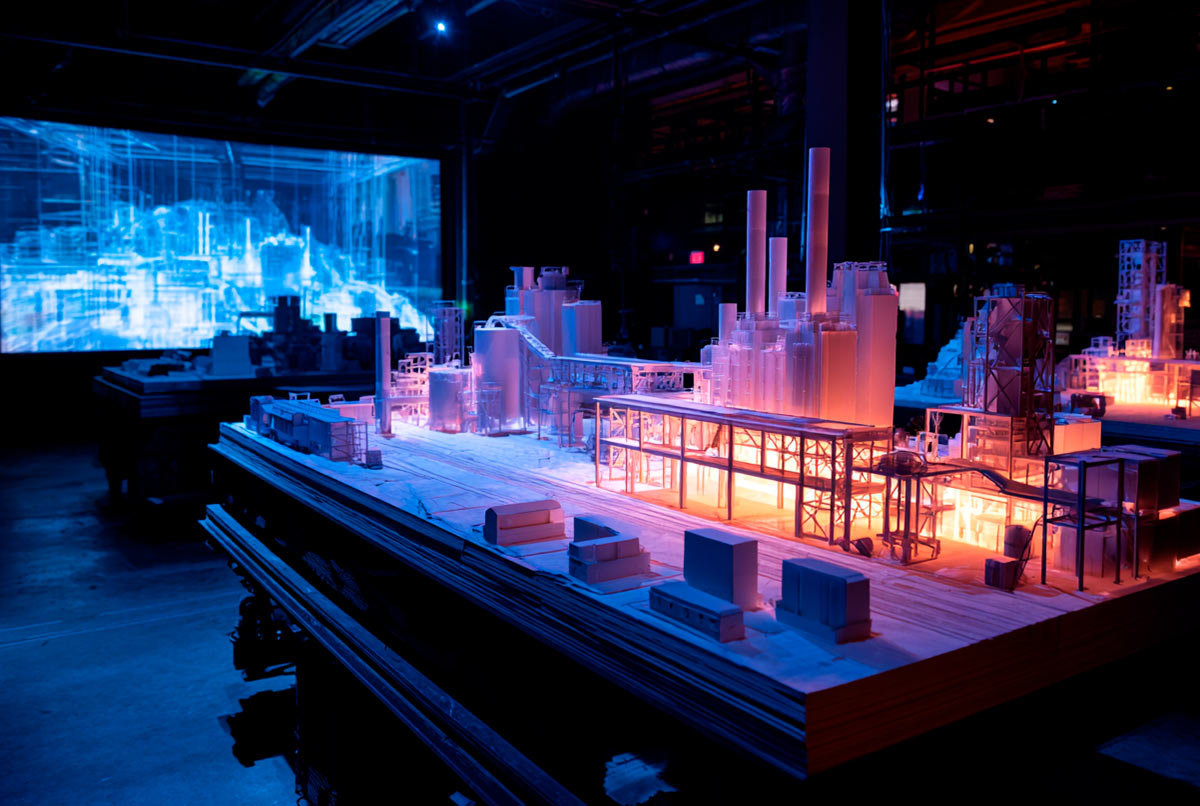
Why there isn't a single price for a professional model
There is no universal price to answer when determining the cost of a model. A model can be a conceptual piece, a hyperrealistic representation, an interactive element, a marketing tool, or an educational resource for a museum.
The price of a professional model is calculated by combining hours of design, technical preparation, manufacturing, finishing, assembly, transport and possible testing.
The cost does not depend solely on the visible size.
Invisible hours also play a role: interpreting plans, adapting files, testing materials, painting, adjustments, and packaging.
Furthermore, a professional model is usually a unique piece. Even when digital technologies are used, There is a significant component of artisanal judgment, manual assembly, and visual inspection.. That combination of technology and workshop craftsmanship is what makes the difference compared to a merely decorative piece.

Factors that influence the price of a model
The cost of a professional model can vary greatly because each project combines technical, aesthetic, and logistical needs. These are the most common factors.
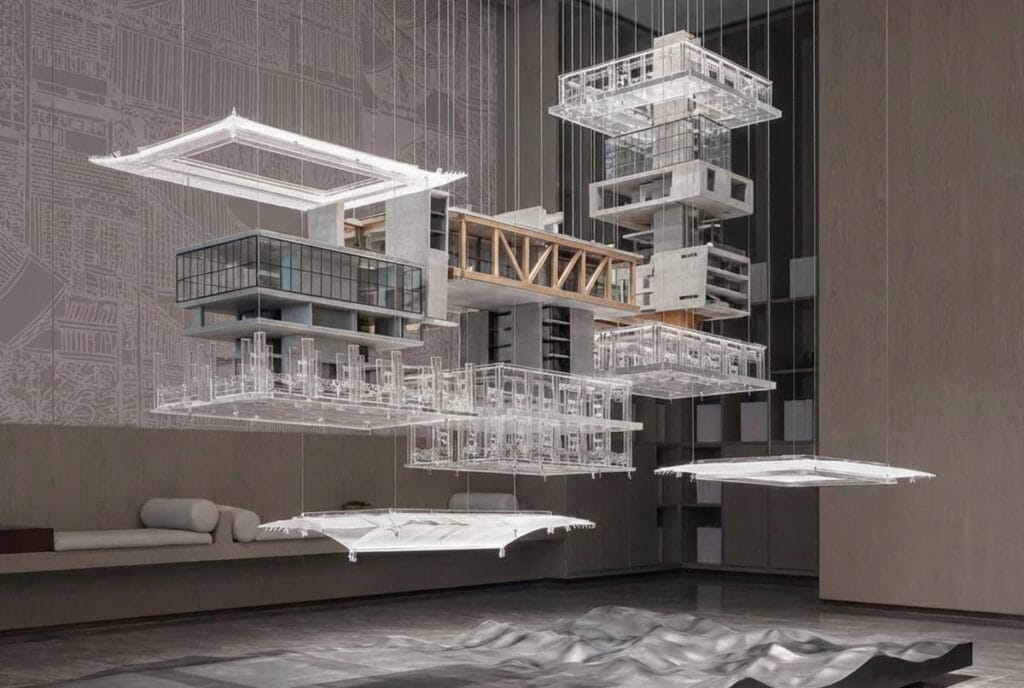
Project type and end use
The first factor is the purpose of the model. A commercial model for presenting a real estate development does not cost the same as an industrial model intended to explain a production process.
A museum piece might require resistance to public use, accessibility, text, interaction, or integration with other exhibit elements. A trade fair model might prioritize visual impact, ease of transport, and quick assembly. The end use determines the entire project.
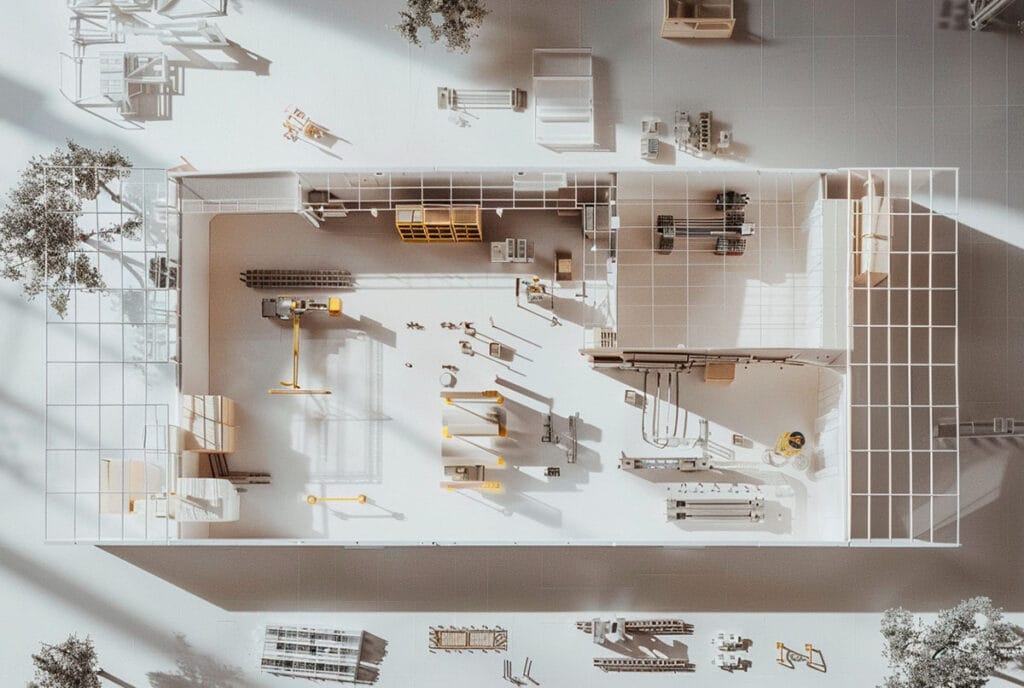
Representation scale
Scale defines the relationship between the real object and its reproduction. Common scales such as 1:50, 1:100, 1:200, 1:500, or 1:1000 completely change the level of detail possible.
A large scale allows for the display of interiors, machinery, textures, or small structural elements. It also requires more surface area, more pieces, and more hours of finishing. In contrast, a smaller scale can simplify the overall effect, although it sometimes necessitates resolving details with greater visual precision.
In this article You will find a complete guide to scales.
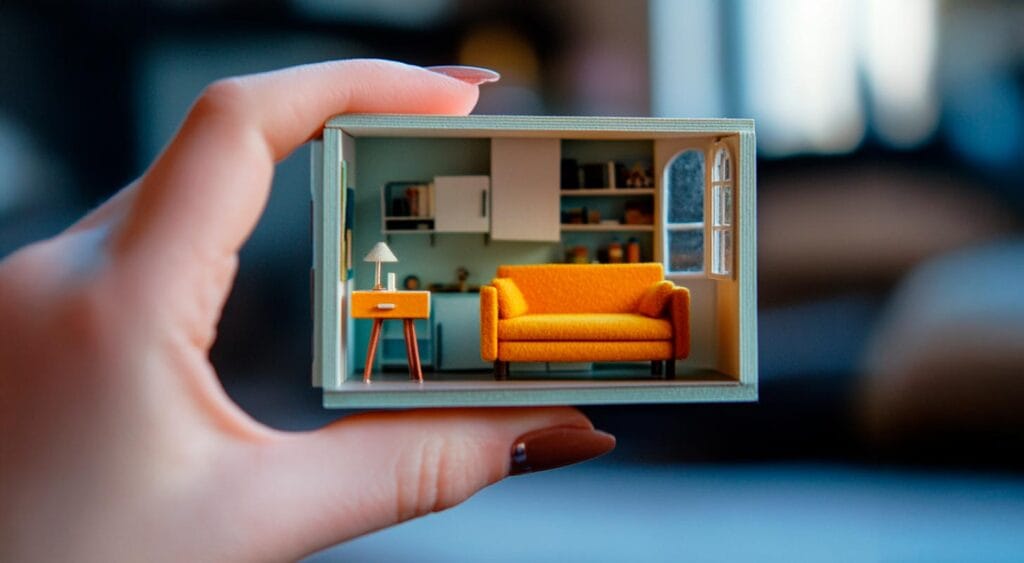
Physical dimensions of the model
Scale does not always explain the final size. An infrastructure, an industrial plant, or an urban area can generate a large model even at a reduced scale.
The larger the volume, the more materials are needed. Cutting, machining, printing, assembly, and inspection hours also increase. A large model requires thinking about structure, rigidity, and handling.

Technical information available
A well-documented project usually allows for a tighter budget. Plans, renderings, 3D files, photographs, technical reports and finishing references help to better calculate the necessary hours.
When information arrives incomplete, the workshop must interpret, reconstruct, or propose solutions. This work is also part of the project. Therefore, preparing the documentation well reduces doubts and prevents subsequent deviations.

Materials chosen
The materials used influence the price of a professional model due to direct cost, processing time, and type of finish. Working with foam board, wood, acrylic, resins, technical polymers, metal, glass, or transparent parts is not the same.
The choice depends on the intended use. A model for permanent display may require more durable materials. A conceptual model can be made with simpler materials. The right material is not always the most expensive, but the most suitable.

Level of detail
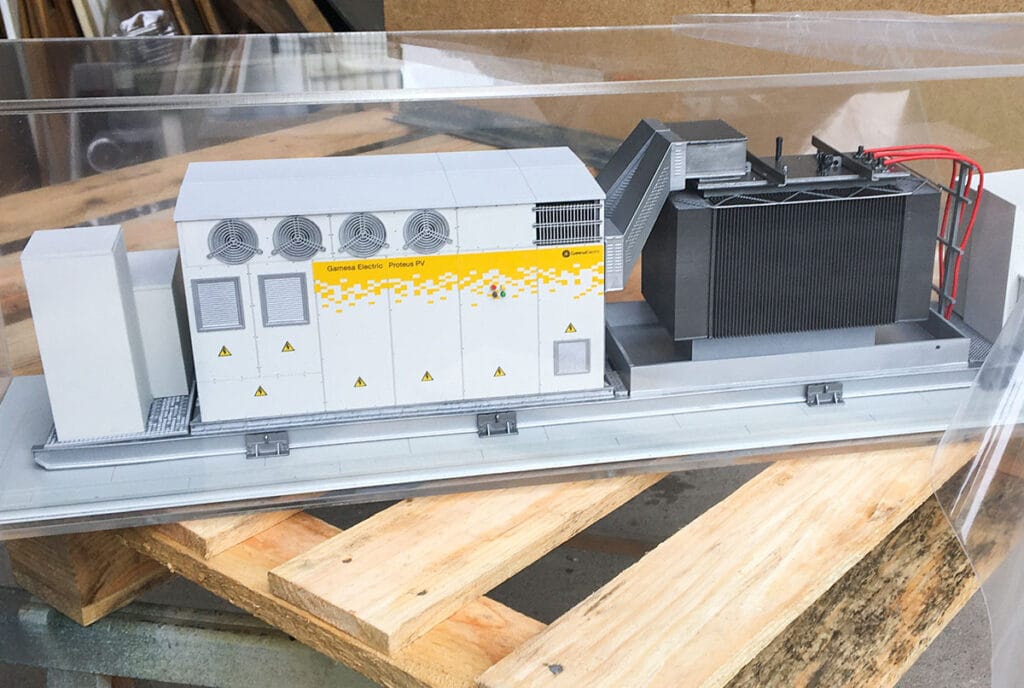
The level of detail is one of the factors that has the greatest impact on cost. Adding furniture, vegetation, machinery, pipes, vehicles, people, textures, signs, or removable parts multiplies the working hours.
In professional models, every detail must serve a purpose. It helps to explain, guide, or highlight a part of the project. When detail doesn't add clarity, it can increase costs without improving the final result.
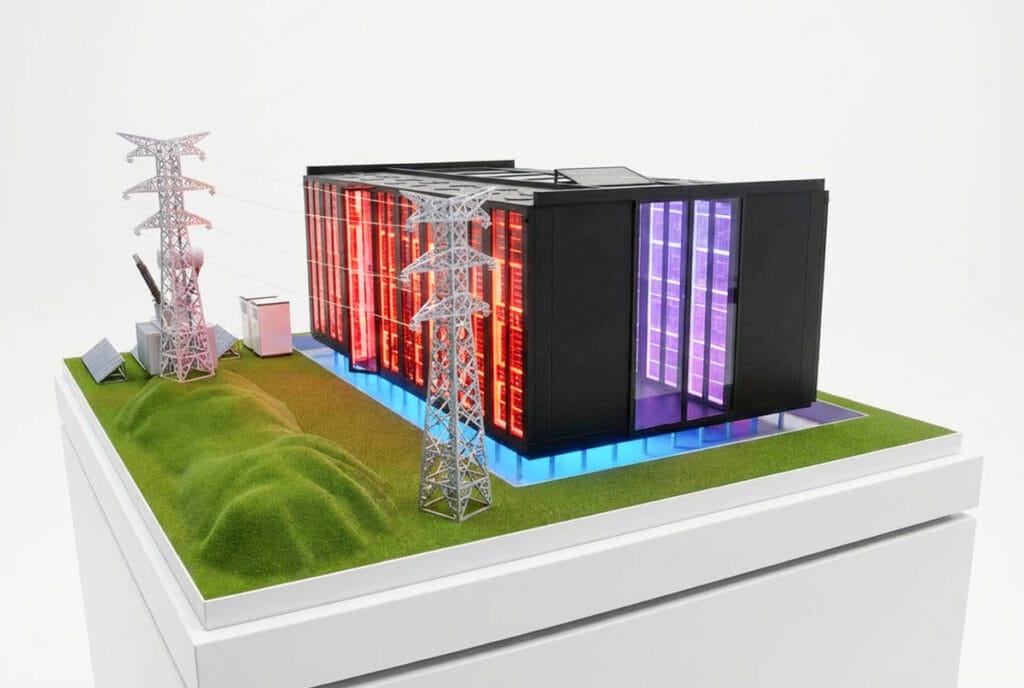
Interactivity, lighting and movement
A interactive model With lights, sensors, screens, augmented reality, video mapping, motors, or touch panels, it requires additional technical design. It also requires programming, wiring, testing, planned maintenance, and seamless integration with the physical infrastructure.
These elements can add a lot of value when they help to explain complex processes, routes, phases, or data. Interactivity should serve the message. If it is added without a clear objective, the budget grows without improving communication.
Transport, packaging and installation
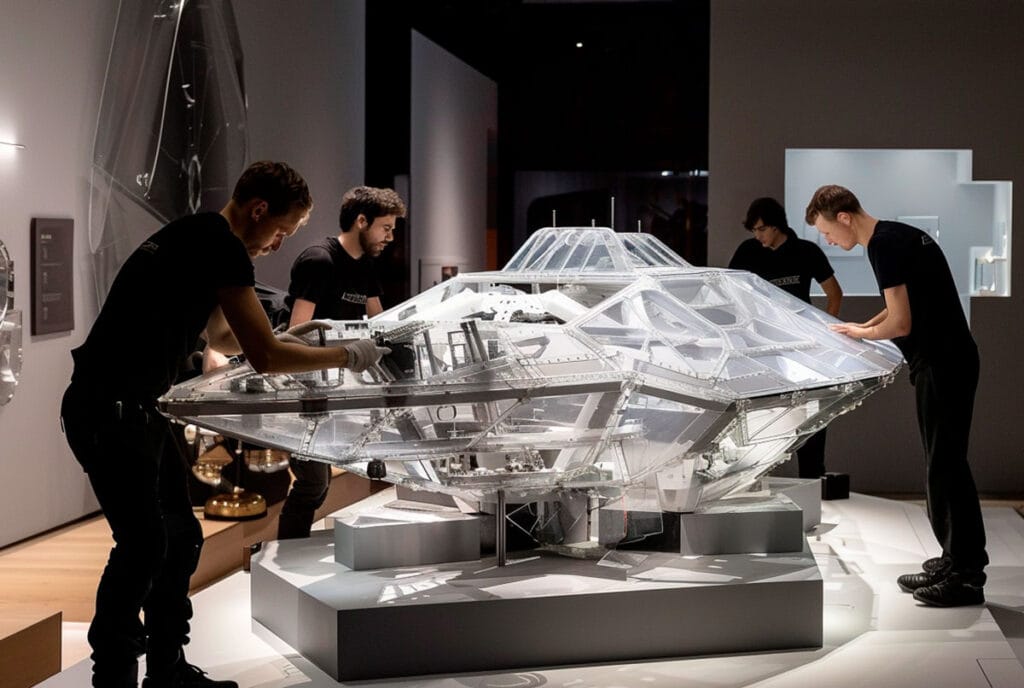
The budget doesn't end when the model leaves the workshop. A delicate piece needs proper packaging, protection from vibrations, careful handling, and, in some cases, installation at its destination.
Large models may require detachable modules, flight cases, display cases, stands, or specialized transport. Designing the logistics from the beginning prevents problems at the end.
Delivery times
The deadline is one of the most important factors. A tight schedule may require reorganizing the workshop, expanding resources, prioritizing purchases, or working with less flexible processes.
Early planning allows for a more relaxed selection of materials, testing, and progress monitoring. When a model needs to be ready for a trade fair, opening, tender, or public presentation, The date influences many decisions..

What can make a model more expensive?
There are decisions that usually increase the budget of a model in a significant way.. The most common ones are scope changes during manufacturing, urgent deadlines, special materials, hyper-realistic finishes, complex interactivity, and lack of initial documentation.
Also increasing the cost of projects are very small pieces with great detail, large-format models, moving elements, detachable sections, and solutions that must withstand heavy public use.
The price of a professional model increases when many requirements are combined at the same time: large size, high detail, realistic finish, integrated technology, and fast delivery. The key is to prioritize what the model needs to communicate.

How to adjust the budget without sacrificing quality
Adjusting does not mean cutting without criteria.. It means making smart decisions. The first step is to define the main objective of the model: to sell, explain, teach, validate, exhibit, or accompany a technical presentation.
It also helps choosing an appropriate scale, Limit detail to important areas, simplify secondary finishes, and reserve interactivity for parts that actually provide information.
Another way to optimize the cost of a professional model is to work in levels. The base can be more minimalist, while the key areas receive more detail. Not everything requires the same degree of visual precision.
In some projects, a modular model facilitates transport, maintenance, and future updates. In others, it's advisable to separate the physical model from certain digital content to reduce technical complexity.

What information should you prepare before asking for a price?
To request professional models with a clear budget, It's advisable to gather basic information before contacting the workshop. It's not necessary to have everything finalized, but it is necessary to provide a sufficient foundation.
The most helpful thing to do is prepare plans, renderings, 3D files if available, photographs, actual dimensions, desired scale, delivery date, installation location, and the model's purpose. It's also advisable to indicate whether there will be a display case, base, lighting, transportation, assembly, or user interaction.
If the appropriate scale is not known, the available space and the expected level of detail can be explained. A good briefing allows for better calculations and avoids misunderstandings.
Budget, deadlines and next steps
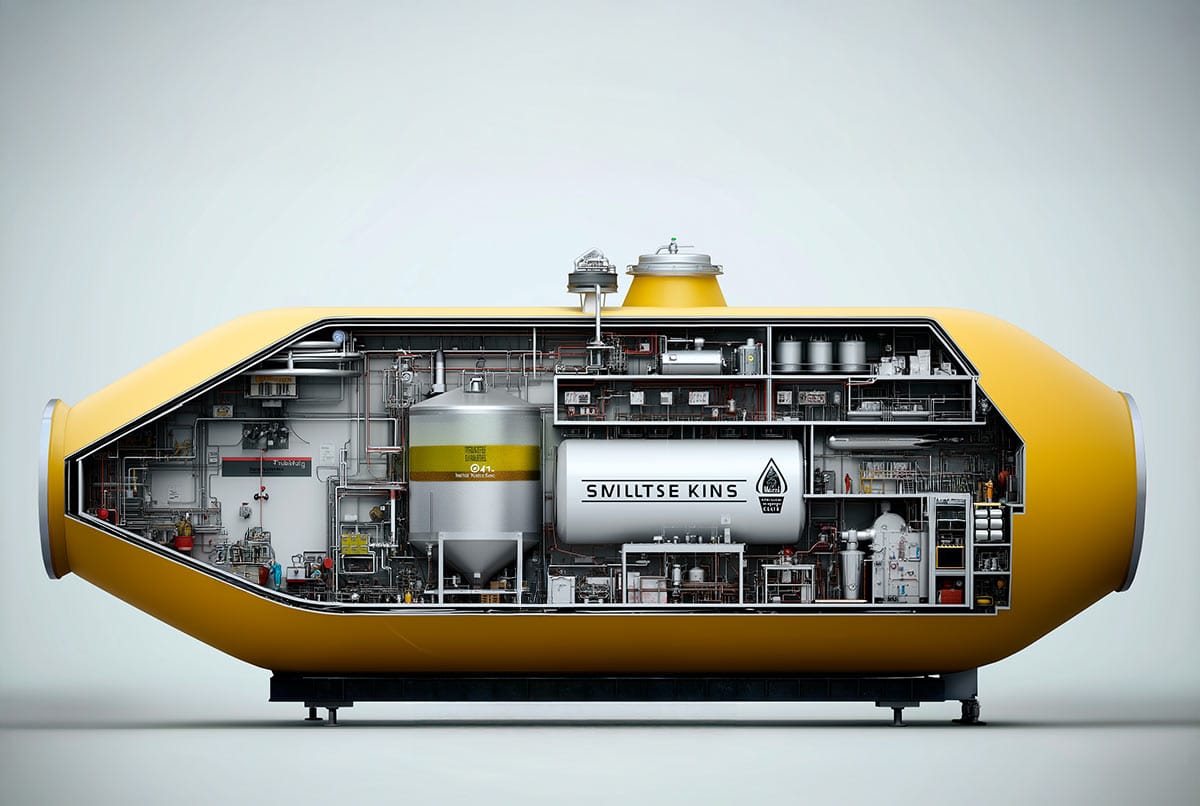
A model budget should explain what is included: technical design, manufacturing, materials, finishes, assembly, packaging, transport, installation, and any technological elements. It should also clarify deadlines, revisions, and required documentation.
When the client understands what goes into the price of a professional model, they can compare proposals more effectively. It's not just about finding the lowest figure, but about assessing whether the solution corresponds to the actual use of the part.
A well-planned model starts before the workshop. Start with a simple question: what should the person who is going to see it understand, feel, or decide?.
From there, scale, materials, detail, and technology are ordered with much greater clarity.

Did you enjoy this article?
Want to see other similar posts?

