
architectural and engineering models
There are many types of models for architecture and engineering; in this post we will show you the most common ones so that they can serve as a guide.

Francisco Piqueras
Depending on their use, we find different varieties of architectural and engineering models.
There are different categories, from interactive models (with movement) and models for engineering projects, to conceptual models for the initial phases of construction, in which we settle for a simple sketch to better understand the dimensions and proportions of the project.
Reproductions of architecture and engineering can be classified according to their:
- Function.
- Manufacturing technology (assisted manufacturing, artisanal manufacturing, mechanical, etc.).
- Material (paper, plastic, wood, blow molding, composite materials, etc.).
- Time (ancient, contemporary, and future).
Architectural models can generally be categorized into different types depending on their uses or functions. In this guide, we will try to explain the differences between architectural and engineering models and their various applications.
Architectural and engineering models and reproductions classified by use
Architectural working model
The working models They serve to help find new solutions and to better develop the building design.
Unlike conceptual representations, these models are made with materials that are more complicated to manipulate, such as metal, PVC, technical plastics, methacrylate, etc.
Their objective is to describe in detail the shapes, materials, finishes, etc.
Furthermore, they have a professional presence, so architects can communicate their ideas directly to their clients by showing these types of architectural and engineering models.
Conceptual model of civil engineering
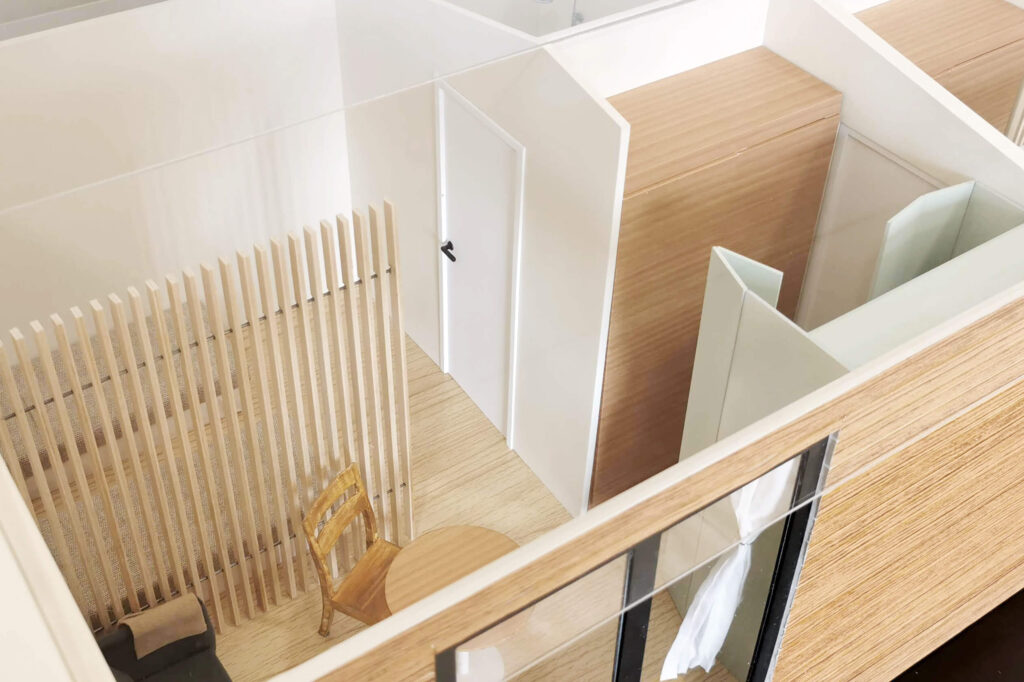
This type of conceptual models It is carried out in the initial stage of architectural design, and usually consists of sketches.
It is one of the first approaches to design, and is used to analyze the characteristics of projects, as well as spatial design, proportion, and surrounding environments.
But also, these models can be made to conceptually represent large urban areas that do not need to be faithful in detail to the reality they represent.
These architectural engineering models are usually made from inexpensive materials such as extruded polystyrene and cardboard, which can be used and modified quickly and easily.
As such, a mock-up or conceptual model is the most cost-effective way to examine particular aspects of a design. These architectural models are easy and quick to handle once assembled.

Building presentation diorama
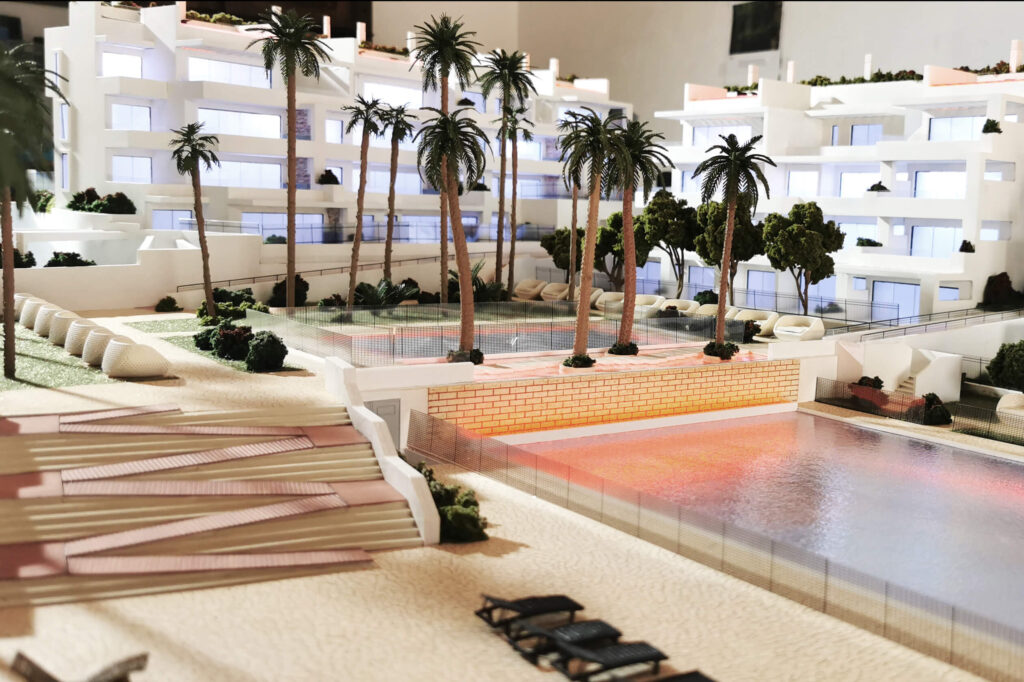
A presentation model is a highly professional type of model, made to the scale required by the client. It can range from a city rendering to a room design.
These models are typically created in great detail to give clients a true representation of the architectural design. They can be shown from different perspectives, highlighting the building's detailed facade and other project elements.
For example, to bring these architectural models to life, a high-quality landscape design can include a variety of shrubs and trees made of different colors and materials.
You can even see that the actual branches and leaf shapes add to the overall effect.
Architectural and engineering reproductions classified by function
Architectural urban planning model
Many urban planning entities use these types of architectural or engineering models to promote the redevelopment of public spaces, as well as to attract investment and donations.
Current city planning models usually represent two different zones.
- The oldest parts can help the public understand what cities were like in the past.
- New or under construction areas that are usually based on different landscape and organizational patterns.
Model cities allow the public to gain perspective on city development, including land use planning, cityscape, transport planning, etc.
Most city models are interactive and can be controlled via a touchscreen. Different lighting zones can be displayed when you touch the image on the screen.

Engineering office building model
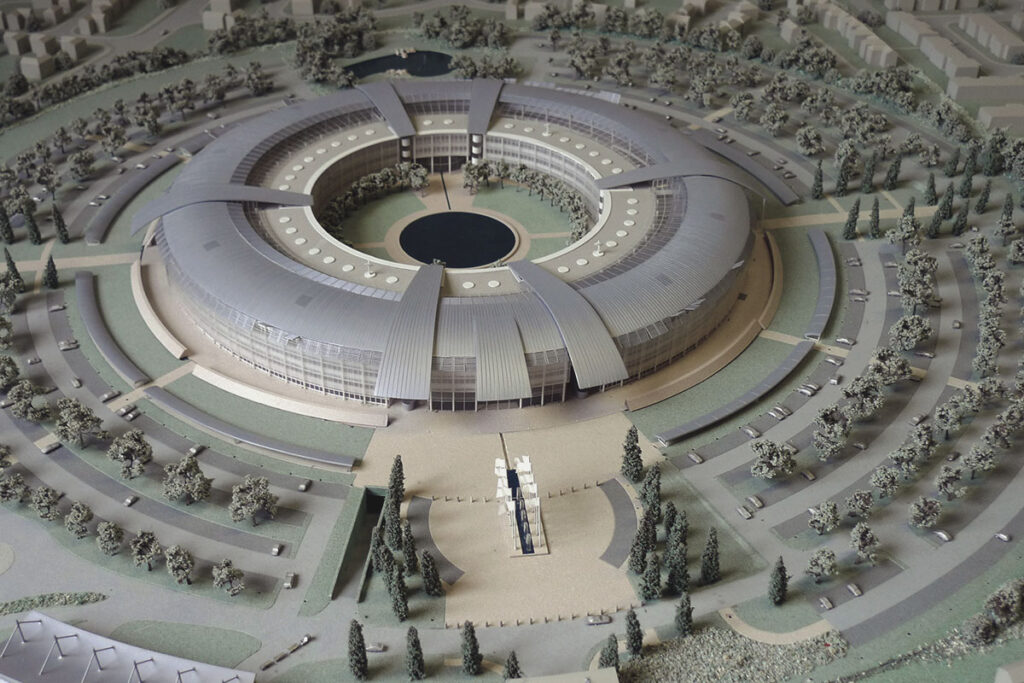
These types of models are created with a high level of detail requested by clients, to provide an impressive and realistic representation of a construction project.
It is generally used for marketing or displaying buildings.
Models of office buildings are an engineering representation that brings the architect's design to life by creating various lighting configurations, detailed building facades, details, window textures, and other elements that enrich the presentation, such as people, vehicles, and surrounding landscape.

Model of a residential building
Scale models of residential buildings are very important tools in the retail world for pre-construction approval, the project phase, design presentation, and customer approval.
These urban planning renderings can provide prospective home buyers or investors with a good understanding of the architectural design by showing the street layout, driveway, building materials, and the environment in which they will be living.
Therefore, this professional engineering model is a great marketing tool for the real estate sales office.

Models of houses
These models are generally made on a small scale, for example, 1:25, 1:50.
Some of these architectural models use mechanical components to raise and lower floor levels, thus showing the complete interior design, including furniture, lighting fixtures, swimming pools, and other amenities.
Developers commonly use scale models of houses to illustrate construction projects to potential homeowners and help them sell plots of land.

Shopping mall diorama
The main function of the models manufactured for shopping centers is to attract investment and encourage merchants to set up shop.
To represent the commercial atmosphere, the materials used to make the architectural models always match the finished design.
The purpose of this model is to reproduce the most representative interior and exterior designs of a shopping center.
Other components such as backlit signage, LED billboards, etc. can help improve the overall effect of the shopping mall mockup.

Architectural model of a hotel
The main purpose of making a hotel model is to show a vivid image of the hotel's features, and thus attract investment and potential hotel guests.
A variation of the lighting effect is created to distinguish between commercial and residential areas, as well as to better highlight the designs.
Almost all the sophisticated details are reproduced perfectly by professional model makers.
Elements such as the real water system can produce remarkable effects when used to make swimming pools and fountains, giving a very professional look to the project and its engineering.

Stadium model
New stadiums are appearing quite frequently these days, as the sport is becoming increasingly popular. The stadium model has two main functions:
- Express the stadium design concept.
- Show the stadium seating plan to the audience.
Electric lights and well-maintained grass are essential when making this style of model.
Model of a theme park
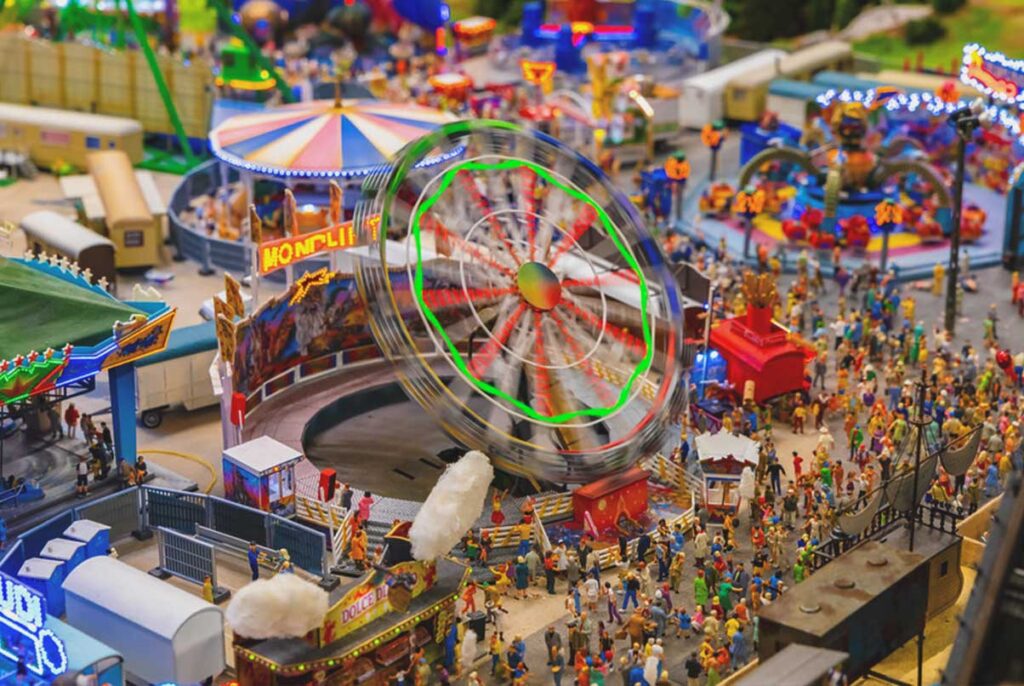
Theme park architectural models are widely used for public display and generate customer interest to attract investment; they are authentic works of engineering.
But most importantly, models of theme parks can tell thematic stories that inform and inspire people in an educational and entertaining way.
Entertainment features such as the amazing castle and waterfalls are key components in achieving a realistic effect.
Museum model
The museum's current design tends toward modern and abstract, especially in its forms. To reflect these bold design ideas, the use of high technology and skilled professional model makers is essential.
In many cities, museums are considered a large part of the city's appeal, so the government requires elaborate and detailed museum models to attract visitors from all over the world.

Factory Engineering Model
This type of engineering model demonstrates how the factory works after its construction.
The factory model includes various facilities of the manufacturing plant and the waste treatment process.
Sometimes, it requires custom components such as wind turbines, chimneys, etc. to represent real-world conditions.
And by adding some landscaping details, the trucks and workers can bring the factory model to life.

Bridge engineering model
In most cases, model bridges are made for exhibition and architectural design competition purposes, and those who make them are usually civil engineers.
It requires a high level of detail to represent the features and movement of the bridge.
For example, a suspension bridge model incorporates copper wire and a premium soft-cast fishing line, to make it look as realistic as possible.

There are more types of models for architecture and engineering; in the next article we will talk about those that we have left out so as not to make this guide too long.
For any questions, please feel free to write to us.