Category: Maquetas industriales y profesionales

Interactive mockup for IoT environments

Interactive mockup for IoT environments: immersive real-time experimentation

What if you could control a model as if it were a real system, from your computer and in real time? The interactive model for IoT environments developed by IA Manufacturing makes this possible: it accurately simulates agricultural, urban, and industrial environments through a system fully connected to the FIWARE platform. Designed to be a powerful educational and informative tool, this model represents a step forward in how we understand, explain, and showcase the technology that connects the world.
Read >
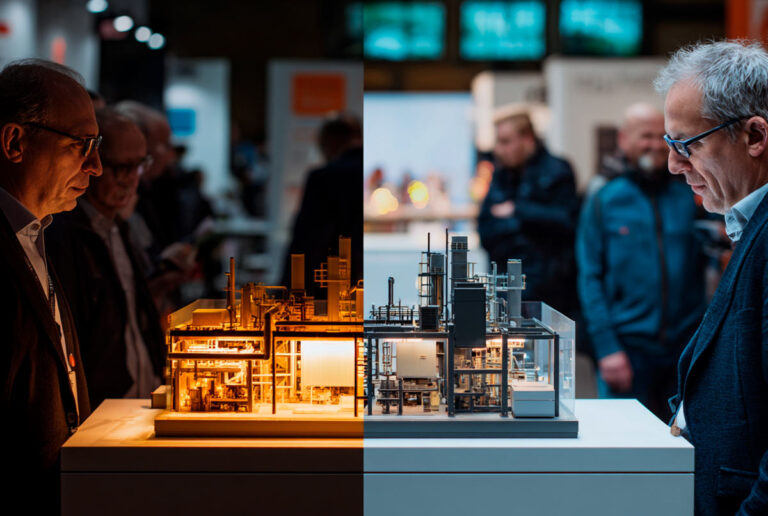
Industrial model with Aritex 2 interactive technology

Industrial model with interactive technology, Aritex's strategy to stand out at trade fairs

The interactive industrial model created for Aritex showcased a new way of communicating complex processes at the Paris Air Show. It meticulously represents a wing production plant and incorporates innovative features such as a touchscreen and neopixel lighting. Its design, optimized for safe transport, makes this model a strategic tool for trade shows, corporate presentations, and client meetings.

Read >
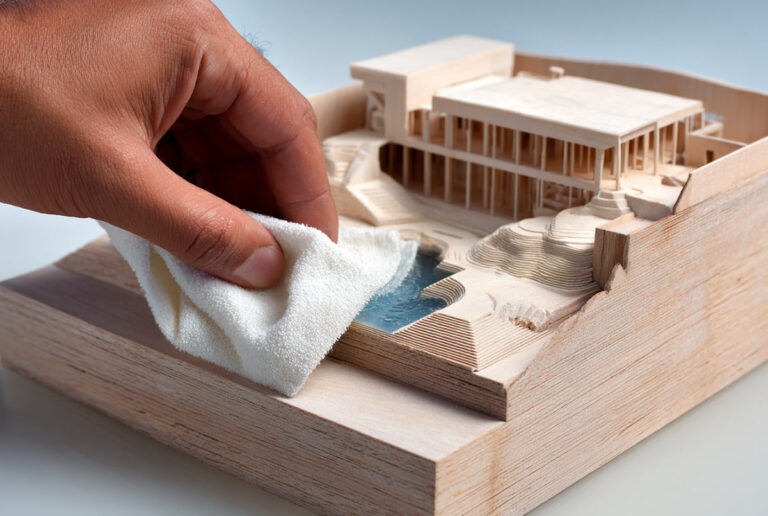
Clean architectural model

Maintaining and cleaning a model: tips to preserve its value

Maintaining and cleaning a model is not just about aesthetics: it's a fundamental part of its preservation and its ability to continue communicating clearly. In this article, you'll find a practical and detailed guide on how to properly care for them, what tools and products to use, and what mistakes to avoid. From dust to environmental exposure, every decision influences their durability and appearance. Learn how to protect this valuable work and ensure that each model continues to function as well as it did on day one.

Read >

Think about it, you really don't need to build "a model"«

Building a model is much more than simply representing an idea in three dimensions. It's an opportunity to connect with the public, convey a clear message, and create a memorable experience. But to achieve this, it's not enough to just start building. First, it's essential to clearly define what you want to convey, who your target audience is, and how it should be presented. In this article, we'll help you reflect on each step before construction: from choosing the level of detail to the visual style, materials, and degree of interactivity. Because a well-designed model isn't just something to look at: it's something to understand, feel, and remember.

Read >

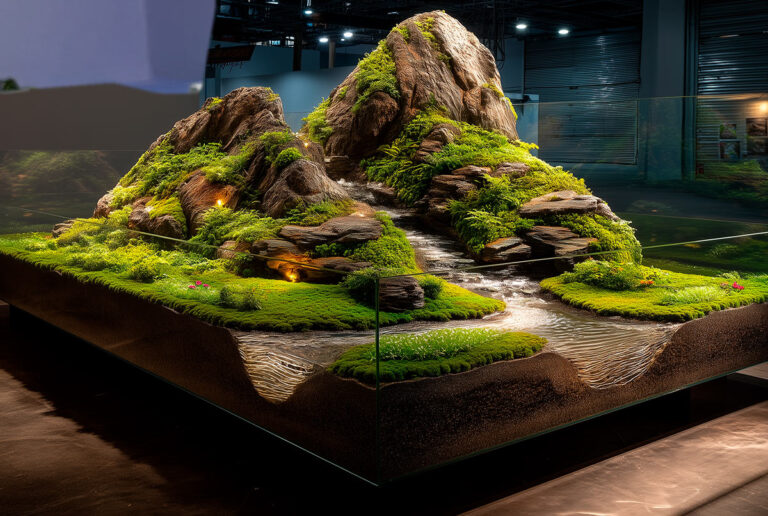
Landscape model: what it is, its uses, challenges, costs and applications

A landscape model is an essential tool for visualizing how a project relates to its surroundings. It allows for the clear representation of topography, vegetation, and buildings, facilitating technical analysis, decision-making, and communication with diverse audiences. Its applications range from architecture and urban planning to museography and environmental planning, and today it is also combined with interactive technologies to further enrich the experience.

Read >
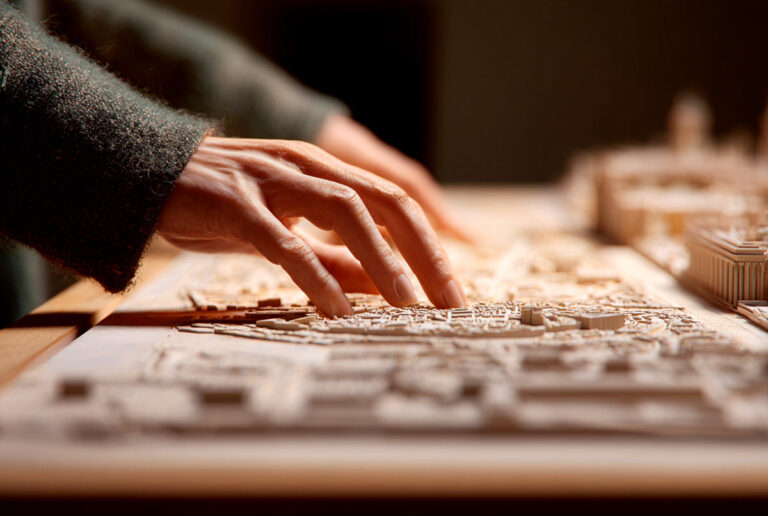
Zaha Hadid competition model 2

Competition model for Zaha Hadid Architects

A competition model can make all the difference in a competitive process. In this project, created for a renowned studio, we successfully represented a complex urban environment with precision, visual clarity, and architectural precision. A work where form becomes message.

Read >

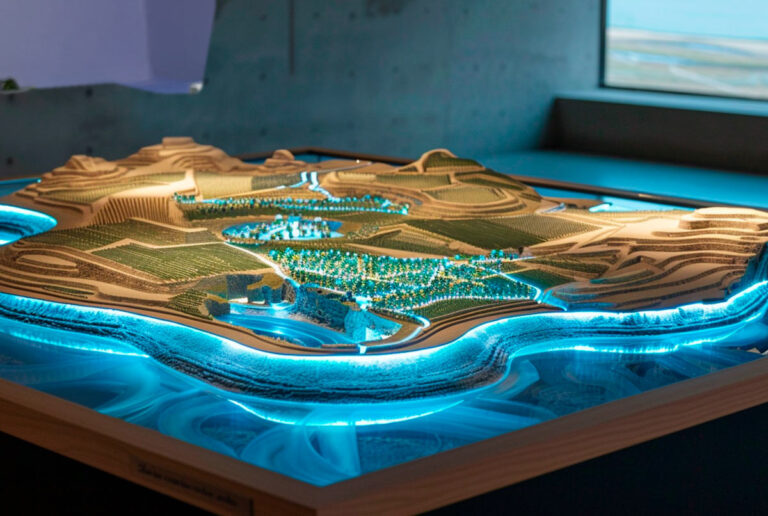
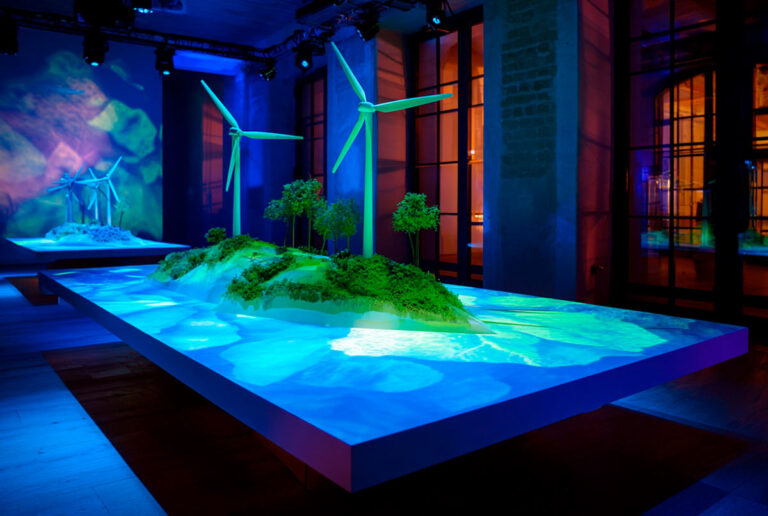
Video mapping on interactive models: uses, challenges and costs

Video mapping on interactive models transforms physical models into living surfaces capable of telling stories, showcasing processes, and captivating the viewer. This technique is becoming an essential tool in museums, architecture, and events, thanks to its ability to communicate clearly and surprise through an immersive visual narrative.

Read >

IA Manufacturing ©. All rights reserved

Funded by the European Union – NextGenerationEU. However, the views and opinions expressed are solely those of the author(s) and do not necessarily reflect those of the European Union or the European Commission. Neither the European Union nor the European Commission can be held responsible for them.