How to validate a professional mock-up before manufacturing it: key reviews and approvals

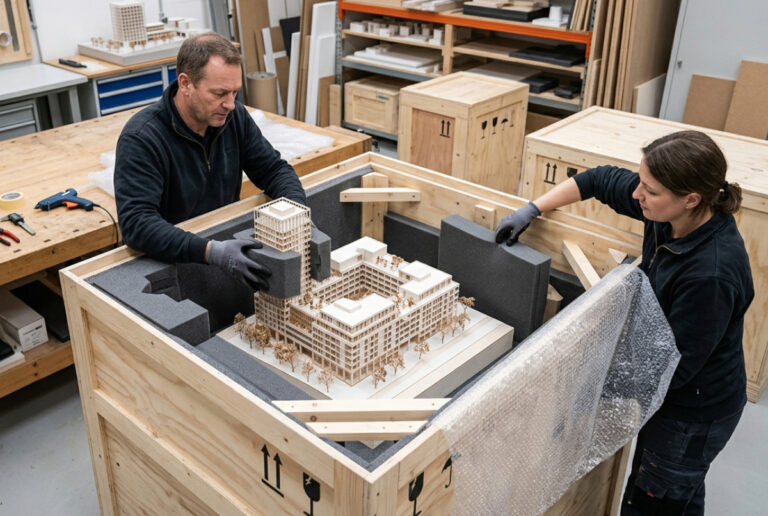
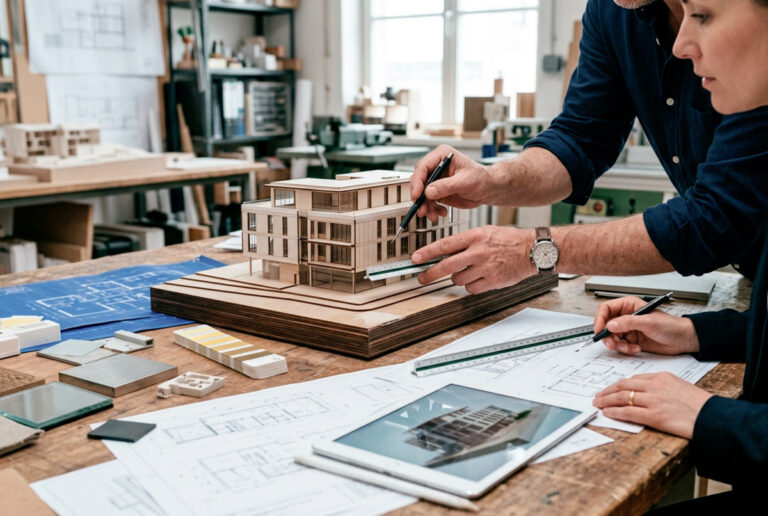
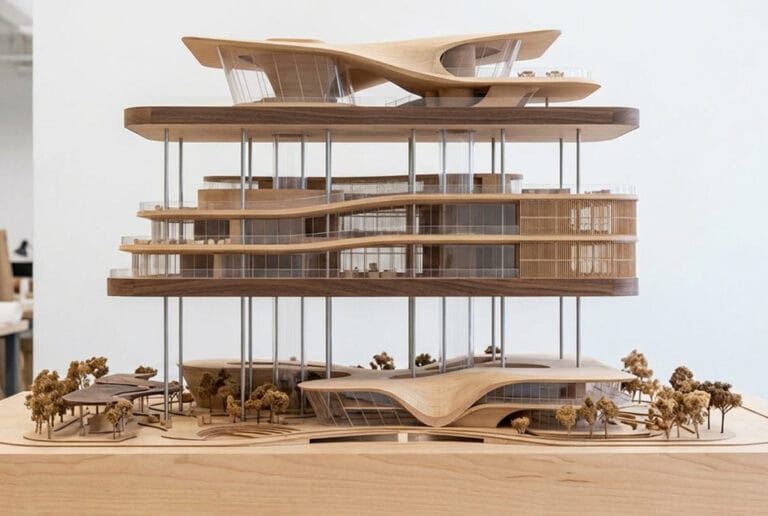
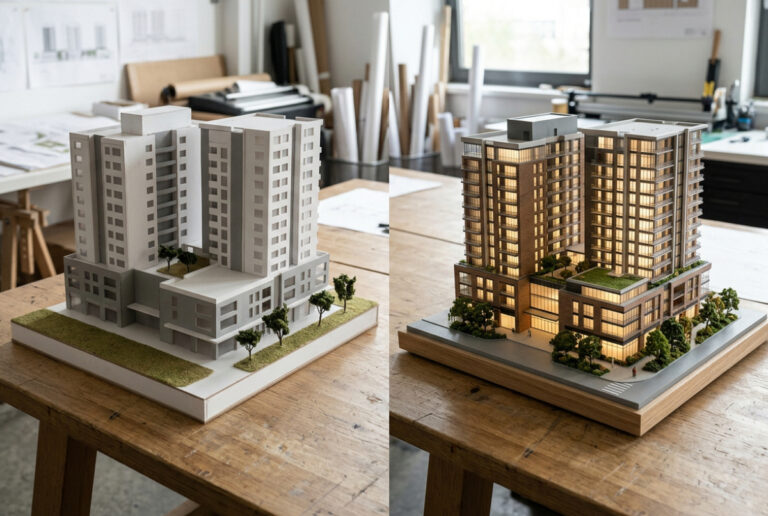
Before building a professional model, it's advisable to review the plans, scale, level of detail, materials, finishes, lighting, text, shipping, and assembly. This validation phase helps avoid errors, delays, cost overruns, and last-minute changes, making the project a clearer, safer, and more controlled process.
Interactive directory mockup: a project with functional and symbolic value

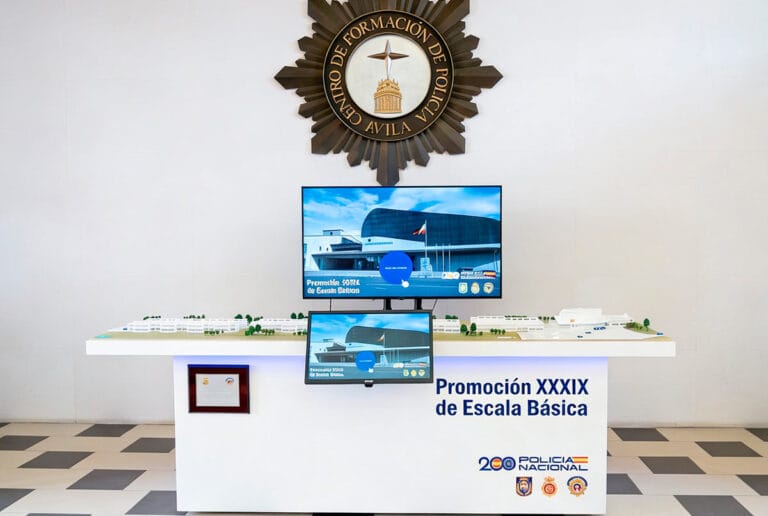
The 39th graduating class of the National Police Academy in Ávila wanted to leave a useful and lasting memento at the institution where they completed their training. To this end, IA Manufacturing created an interactive model directory that displays the interior of the buildings and helps locate the different areas and specialties within the Academy. This piece has both functional and symbolic value, and we would like to give special recognition to Inmaculada García, a key driving force behind the project.
Price of a professional model: factors that explain how much it can vary

The price of a professional scale model can vary greatly depending on the type of project, scale, materials, level of detail, integrated technology, deadlines, and logistics. In this article, we explain clearly and practically what factors influence the budget of a scale model and how to adjust the cost without sacrificing quality or communication capabilities.
Interactive virtual model for outreach: Red Viva, the experience created for Iberdrola

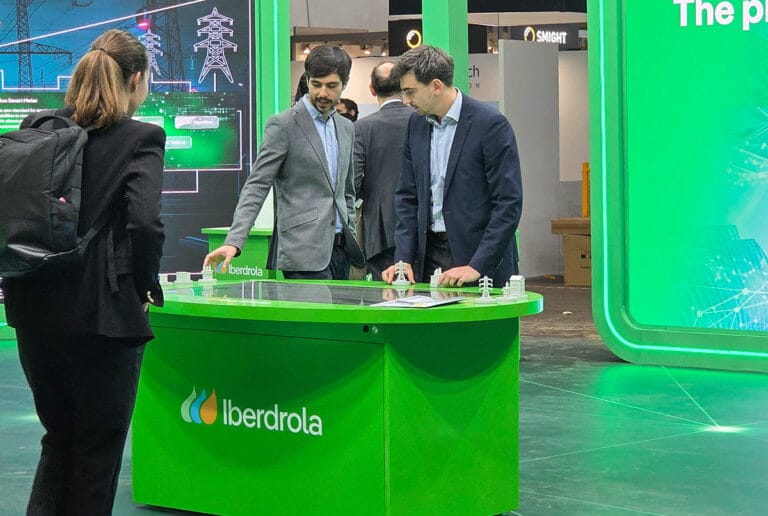
Red Viva is an interactive experience developed for Iberdrola that combines a physical model, a 3D digital environment, 3D-printed parts, and NFC sensors. The project transforms the workings of a modern electrical grid into an educational tour where users learn by touching, making decisions, and observing the grid's response in real time.
Tendering a model: a practical guide without losing control of the outcome

Preparing a tender for a scale model requires much more than setting a price and providing a general description of the piece. This article reviews what public sector professionals should consider to properly define the contract's scope, draft useful technical specifications, assess experience, and avoid awarding contracts that compromise the final quality.
This is how a kinetic sculpture with 800 birds in flight was made

In this project we developed the fabrication of a kinetic sculpture for the House of the Imperial Eagle of Pedraza, an aerial installation composed of 800 birds suspended in a spiral to generate a powerful sensation of movement between the two floors of the museum.
Scale models of fire stations: the history of Alcalá de Henares told to scale

The scale models of fire stations we created for Alcalá de Henares are part of a very special project linked to the station's 50th anniversary. Through three scale reproductions, this work recreates the various locations the fire service has had in the city and transforms its evolution into a visual narrative with historical, exhibition, and documentary value.
Low Poly Sculpture of an Iberian Imperial Eagle: Design, Manufacturing and Installation

The House of the Imperial Eagle in Pedraza houses a low-poly sculpture of an Iberian imperial eagle, created through a collaborative technical process that combined digital modeling, scientific consultation, and CNC manufacturing. The aim was to faithfully represent the silhouette of this emblematic bird using angular geometries and precise volumes. The large-format sculpture was designed to be integrated vertically as part of the museum's layout, lending presence, symbolism, and a striking visual experience.
Delivery times for professional models: plan and secure the date

Each model is unique, and its production doesn't follow a standard timeline. In this article, we explain how long each type of model can actually take, what factors influence its development, and what you can do to ensure delivery by your deadline. An honest and practical guide, straight from the workshop.
Blindfolded models: a practical guide to regulations, materials and design

Tactile models are much more than just tactile displays: they are a gateway to true inclusion. In this article, we explore their key features, where they are used, and the standards that guide their design. Tangible, functional accessibility designed for everyone.