Think about it, you really don't need to build "a model"«

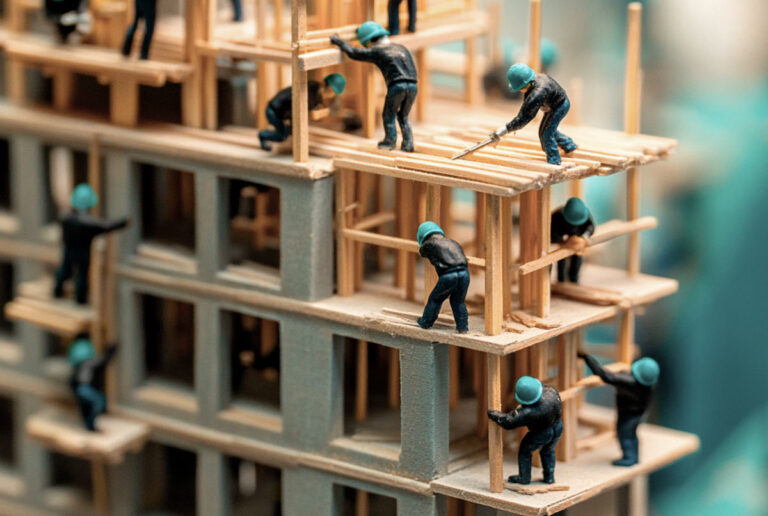
Building a model is much more than simply representing an idea in three dimensions. It's an opportunity to connect with the public, convey a clear message, and create a memorable experience. But to achieve this, it's not enough to just start building. First, it's essential to clearly define what you want to convey, who your target audience is, and how it should be presented. In this article, we'll help you reflect on each step before construction: from choosing the level of detail to the visual style, materials, and degree of interactivity. Because a well-designed model isn't just something to look at: it's something to understand, feel, and remember.
Landscape model: what it is, its uses, challenges, costs and applications

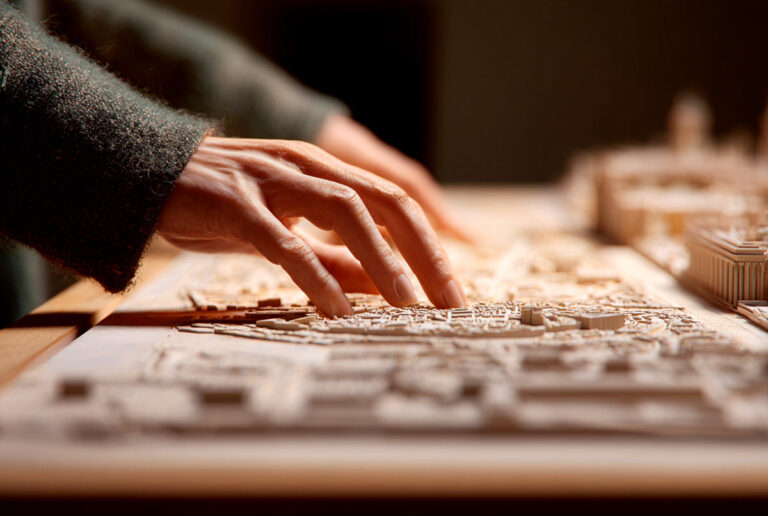
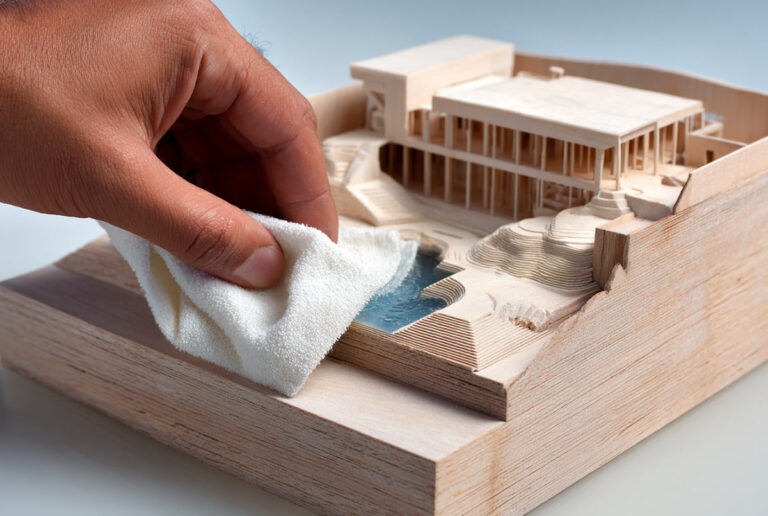
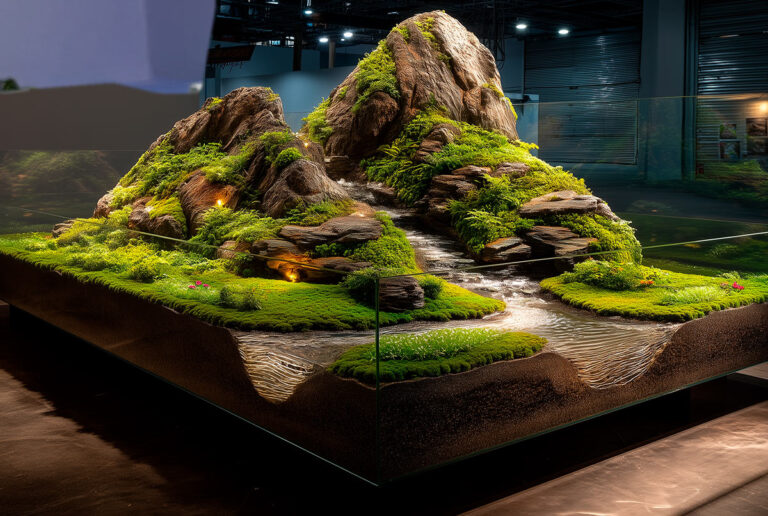
A landscape model is an essential tool for visualizing how a project relates to its surroundings. It allows for the clear representation of topography, vegetation, and buildings, facilitating technical analysis, decision-making, and communication with diverse audiences. Its applications range from architecture and urban planning to museography and environmental planning, and today it is also combined with interactive technologies to further enrich the experience.
Models with interactive lighting: uses, benefits, technology and costs

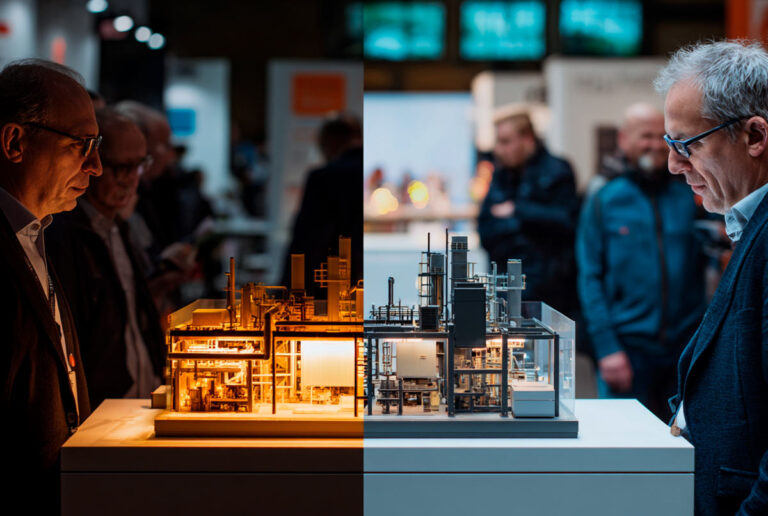
Interactive lighting models combine physical design with lighting technology to create guided and immersive visual experiences. Their use is expanding in museum displays, architecture, industry, and trade shows, thanks to their ability to communicate precisely and evoke emotion simultaneously.
Competition model for Zaha Hadid Architects

A competition model can make all the difference in a competitive process. In this project, created for a renowned studio, we successfully represented a complex urban environment with precision, visual clarity, and architectural precision. A work where form becomes message.
Video mapping on interactive models: uses, challenges and costs

Video mapping on interactive models transforms physical models into living surfaces capable of telling stories, showcasing processes, and captivating the viewer. This technique is becoming an essential tool in museums, architecture, and events, thanks to its ability to communicate clearly and surprise through an immersive visual narrative.
Construction section models: uses, challenges and costs

A scale model allows you to showcase the technical inner workings of a project without dismantling it. From architecture to engineering, industrial design, and technology, these models are essential for visualizing, explaining, and validating complex solutions. This article explores their uses, materials, applicable sectors, common challenges, and costs, explaining why they remain a key tool in technical and educational settings.
Gantry crane model: a visual tool for key events

The crane model developed by IA Manufacturing for Tec Container is much more than a replica: it's a visual tool designed to stand out at trade shows, meetings, and sales presentations. Compact, robust, and easy to transport, this piece accurately reflects the technical and commercial commitment of a brand with a global presence.
Everything you need to know about a landscape model: uses, challenges and costs

A landscape model is not simply an addition to an architectural project: it is key to demonstrating how a proposal integrates with its surroundings. This article answers essential questions about its function, representation, materials, costs, and challenges, explaining why a well-designed model can be decisive in a presentation, approval process, or competition.
An interactive industrial model that transforms processes into a visual experience

An interactive industrial model designed to communicate innovation and sustainability.
Designed for SC Tecno's Biomet project, this model faithfully reproduces the interconnected processes of a waste treatment plant. Its programmed lighting and technical design not only explain the process but also attract and impress at trade fairs and professional presentations.
Current trends in model design: the era of technological interaction

Model design has undergone a technological leap. Today, interactive models are transforming how projects are presented and understood, from museums to urban energy. In this article, we explore the key aspects of this revolution and the most innovative real-world examples developed by IA Manufacturing.